A Brazilian gang founded in the country's violent prisons is fast becoming one of the world's biggest criminal organizations, reshaping global cocaine flows from South America to Europe's busiest ports and edging into the U.S.
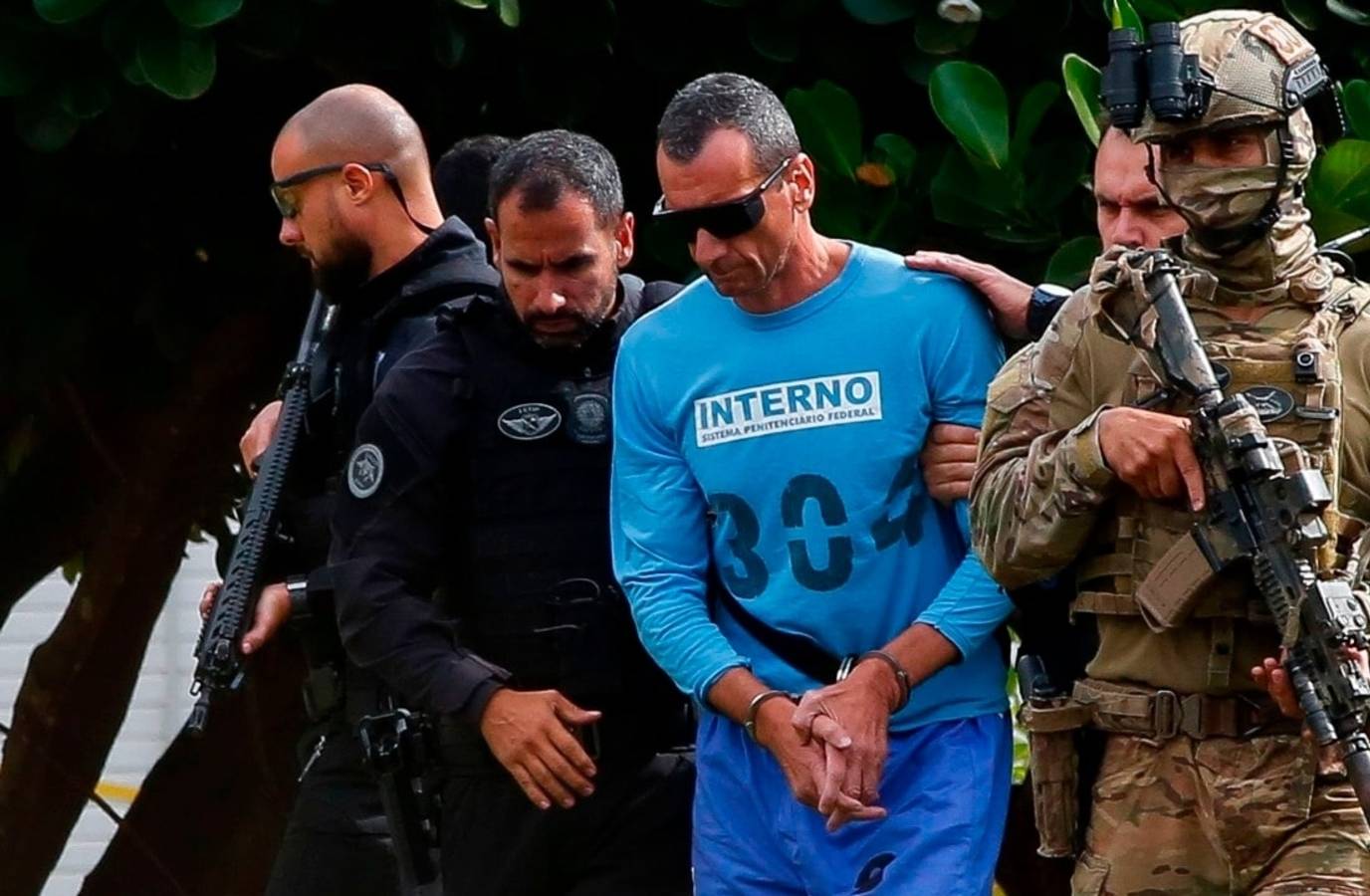
The First Capital Command, known by its Portuguese initials PCC, started out as a disgruntled band of inmates fighting for soap and toilet paper in the 1990s. It now has some 40,000 members behind bars and on the streets with a vast network of affiliates—making it the largest criminal group in the Americas by some estimates, operating in nearly 30 countries on every continent except Antarctica.
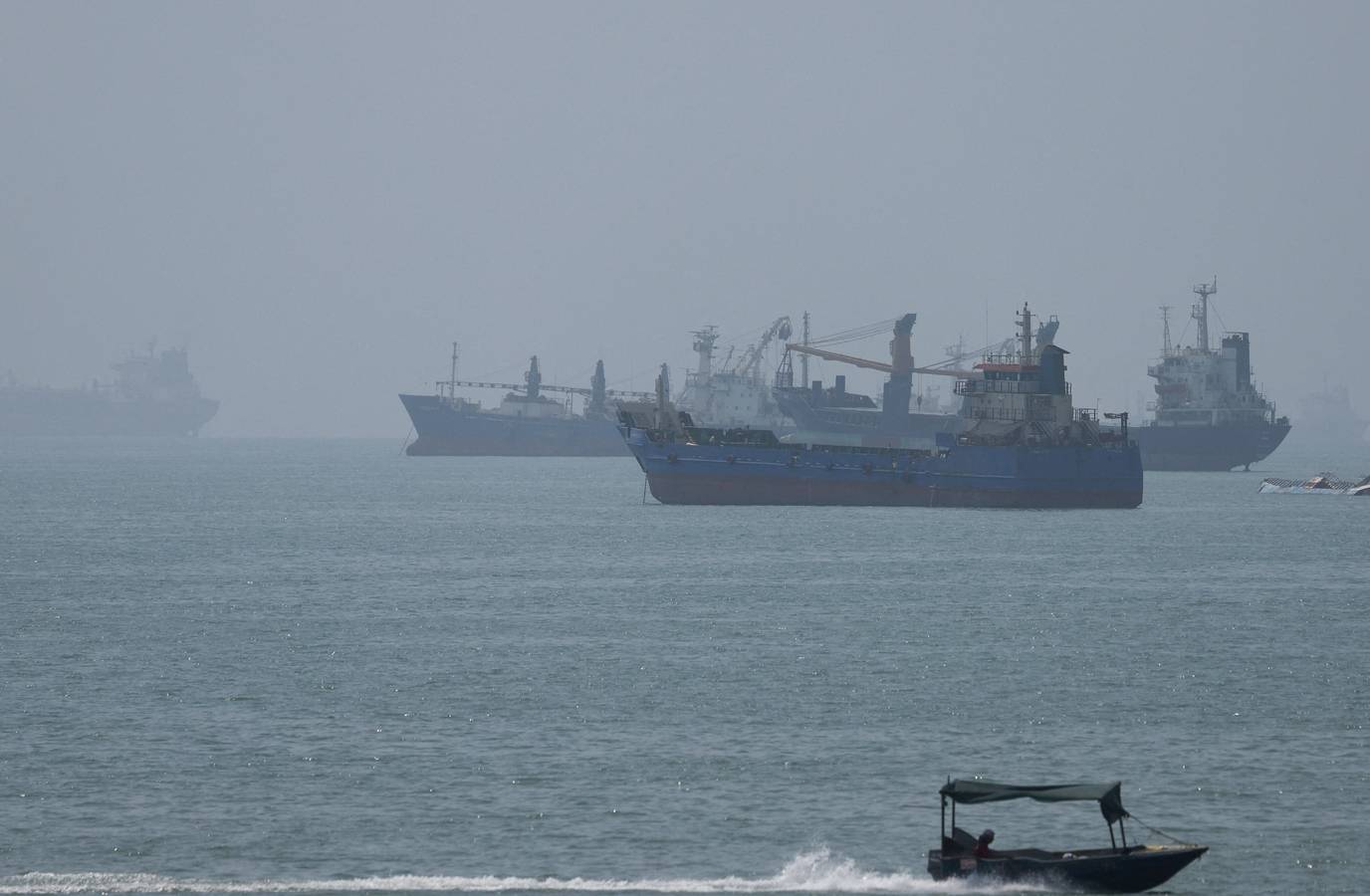
The PCC has helped drive record cocaine seizures in Europe and sparked violent turf wars in the heart of major ports in Belgium and the Netherlands. Prosecutors and police in Brazil are calling on President Trump to label the PCC a Foreign Terrorist Organization, joining more than a dozen other Latin criminal networks.
The PCC is organized crime at its most organized, prosecutors say. Unlike other gangs, PCC members keep a low, businesslike profile, seeking fortune not fame—and shying away from the kinds of gratuitous violence that attract police and TV news crews.
Drug profits are laundered through gas stations, fintechs, real-estate funds, sex motels, car dealerships and construction firms, police say. The PCC has also branched into illegal gold mining, cargo theft, cybercrimes and the trafficking of exotic birds.
Cocaine, though, remains the PCC's core business and that means that the gang has also become America's problem. The U.S. Treasury Department sanctioned the PCC in 2021 and in 2024 froze the U.S. assets of Diego Gonçalves do Carmo, who laundered some $240 million for the PCC.
The PCC's expansion has been fueled by its ability to adapt and evolve, with members adopting religious personas to gain the trust of locals and recruit new members. The gang has also set up a parallel justice system in some regions, punishing petty thieves and meting out brutal justice as they see fit.
The PCC's move north hasn't been easy, with the gang having to recruit renegade guerrillas who didn't participate in a 2016 peace accord in Colombia. Authorities estimate the PCC moves several tons each month through the Amazon, with many small cities and towns in the world's largest rainforest now under the group's control.