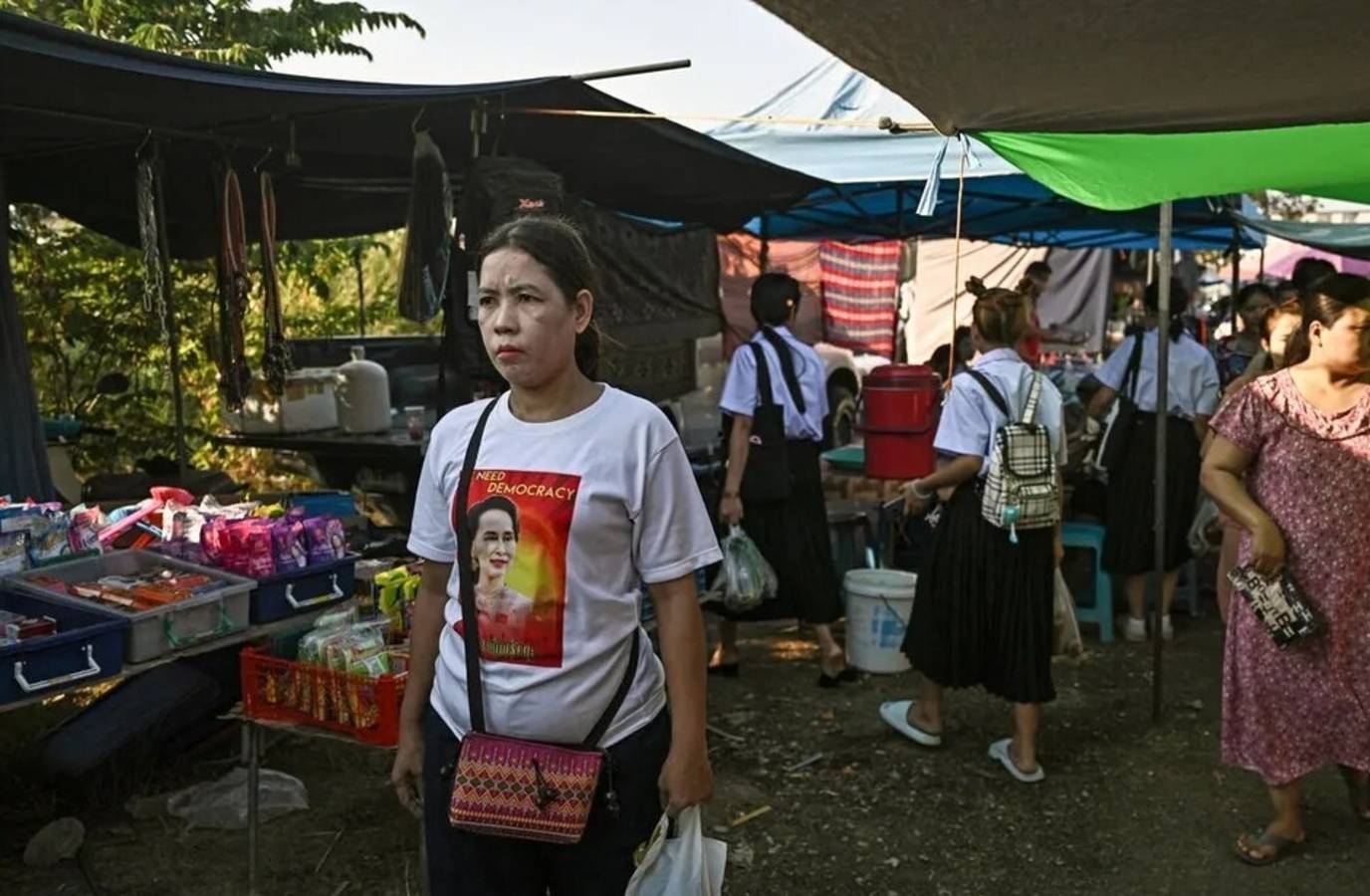
DELICIOUS SMELLS of Myanmar rise from bamboo stalls in Chiang Mai, northern Thailand, where people sip beers and smoke cheroots around a campfire. This night market, once a junkyard, symbolizes what Burmese in exile have to do: take root in foreign soil.
Mr Thet fled his home in 2021 after the armed forces took power in Myanmar in a coup and launched a crackdown on their opponents. Like many Burmese, he ended up in Thailand, where the UN thinks there are 4.6m Burmese, with half arriving since 2021.
Some 40% are undocumented, including entrepreneurs and skilled professionals. They include doctors, teachers, engineers, and even those fluent in English and better with technology than their Thai peers.
Nye Chi is one of them: she sells a pickled-tealeaf salad from a stall she runs with her fiancé in Chiang Mai. She studied IT at university and dreamed of becoming a journalist, but the coup 'stole' her future.
Thailand has not signed the 1951 UN Refugee Convention and does not formally offer protection to asylum-seekers. The influx has led to a surge of xenophobic rhetoric, with migrants portrayed as a burden on local services and a threat to locals' jobs.
Many of the new arrivals risk being arrested in raids and bundled back across the border. In some cases, men who have fled conscription in Myanmar have been handed straight back to the generals they escaped from.
Thai security forces are sometimes accused of extorting refugees, including by selling them unofficial 'police cards' that are supposed to protect them from deportation.
Mr Thet aims to build bridges between Burmese and Thai people. 'We do want to go home,' he says, 'but this might not be possible for years to come.'