
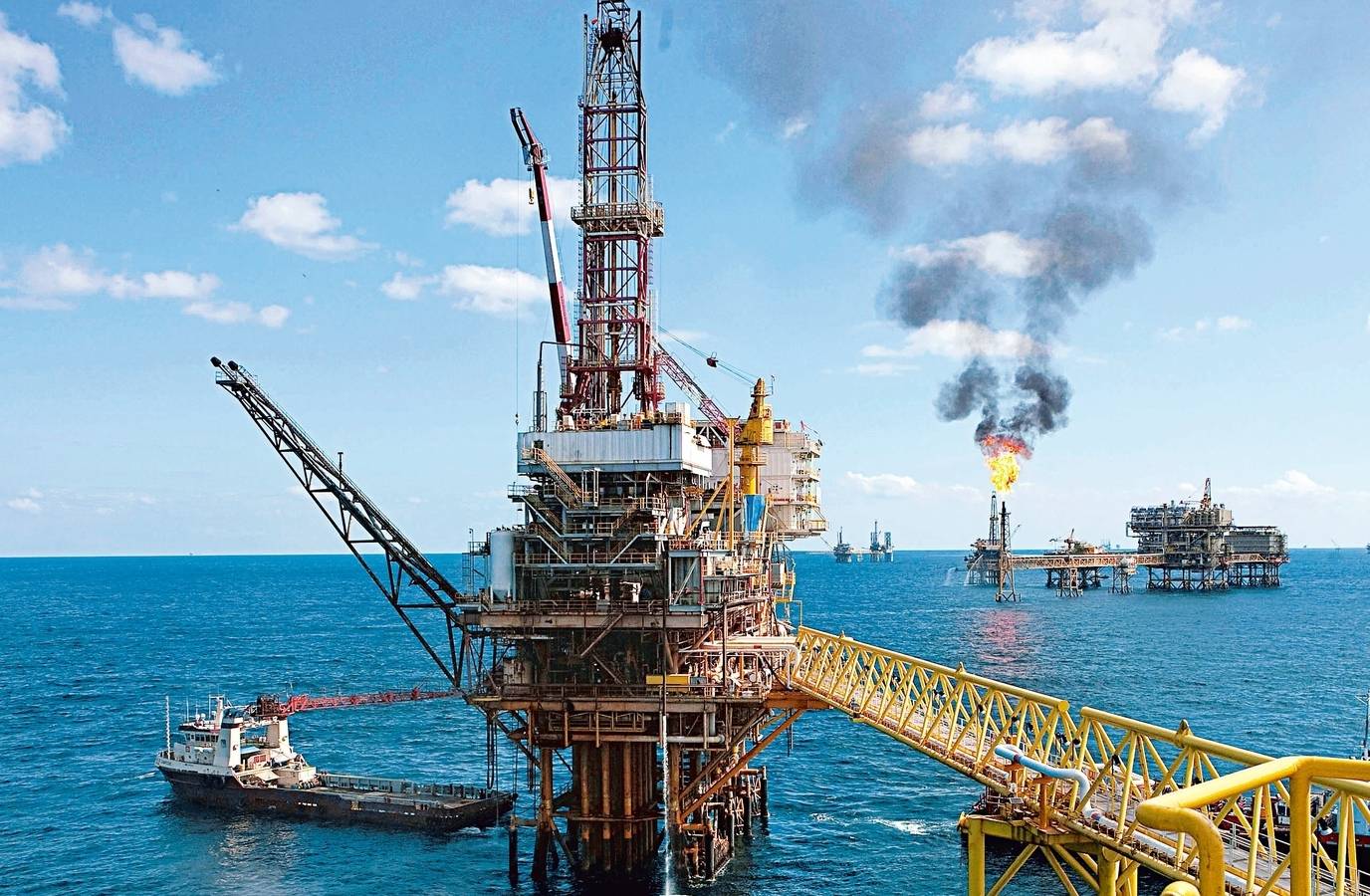
A recent surge in energy prices, triggered by the ongoing war between America and Iran, has raised concerns about a potential global recession. Despite a brief decline in inflation rates, the average cost of living across the rich world has begun to rise again, with energy prices soaring to around $100 a barrel. Central bankers are worried that this could lead to a global recession, but some experts argue that the impact will be mild.
Research from Deutsche Bank suggests that the change in oil prices matters more than the level, and that a doubling of oil prices would be needed to provoke a comparable shock to the 1973-75 recession. However, the world economy came into the energy crisis in decent shape, with real wages growing and corporate earnings rising.
Investors are not panicking about a recession, but they are worried about inflation, with market-based measures of inflation expectations shooting up. A rule of thumb suggests that a sustained $10 rise in oil prices adds 0.3-0.4 percentage points to overall inflation, which could lead to inflation rates above 4%.
Central banks may be less able to respond to an inflation shock than last time, with monetary policymakers feeling constrained in raising interest rates. Companies may also be quicker to pass costs on to consumers this time around.
Real-time data suggests that the inflation scourge is indeed stirring, with Alternative Macro Signals' global inflation index rising sharply. If historical patterns hold, monthly global inflation could be above 0.6% by July, equivalent to more than 7% on an annualised basis.