The partial shutdown of the Department of Homeland Security (DHS) has created a divide between workers at Immigration and Customs Enforcement (ICE) and the Transportation Security Administration (TSA), with one group receiving pay while the other goes without.
TSA officers are continuing to work without pay as airports struggle to maintain operations, with around 60,000 staff required to keep security lines moving despite receiving $0 paychecks, leading to staff shortages and hundreds of resignations since the funding lapse began.
The key difference lies in how the two agencies are funded, with ICE operations backed by the "One Big Beautiful Bill Act", a major spending package passed in 2025 under Donald Trump's administration.
This legislation allocated more than $170 billion toward immigration enforcement through 2029, far exceeding the DHS's typical annual discretionary budget, allowing ICE to continue operating and paying personnel even during the shutdown.
In contrast, TSA funding is tied directly to the DHS annual budget, which remains stuck in political gridlock, resulting in nearly 95% of TSA's workforce being classified as "essential", meaning they must continue working during a shutdown, even without immediate pay.
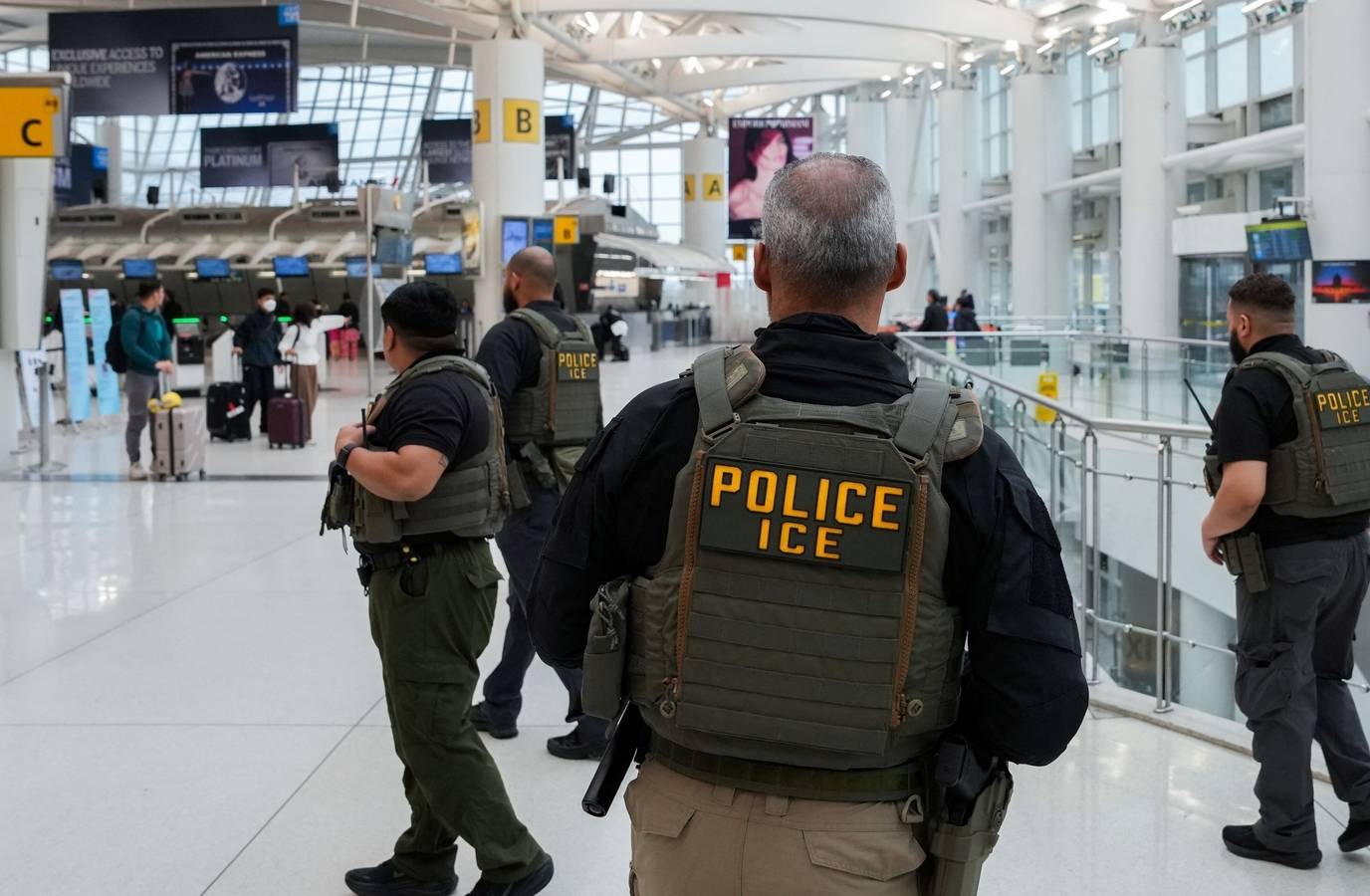
The funding standoff has already begun affecting airport operations, with rising absenteeism and delays reported across major hubs, while ICE agents are being deployed to assist at airports, handling tasks such as monitoring exit lanes and checking identification.