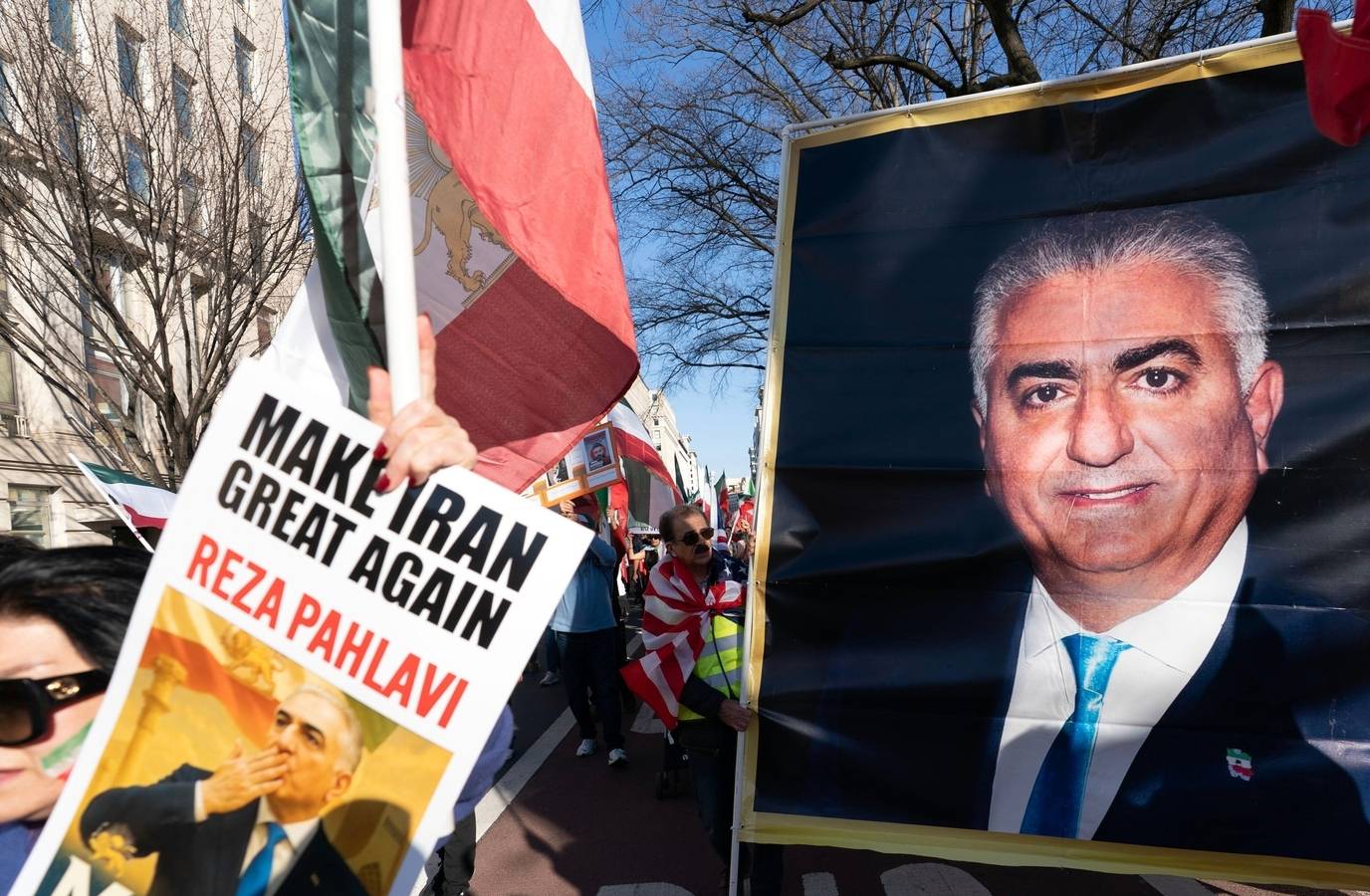
A month ago, Iran's opposition in exile was fervent in its support for the war, but today, many have become queasy.
Diehards still liken the bombardment to chemotherapy, but a broader range of diaspora voices is speaking up, stirring sympathy for civilians buried beneath the rubble.
Doctors, teachers, and academics stage vigils for Minab, a southern Iranian town where an American missile struck a school, killing over 160 people, most of them schoolgirls.
As America and Israel expand their target lists from regime strongholds to national infrastructure, fears for relatives left behind are mounting.
A new coalition, the Iran Freedom Congress, has emerged, distancing itself from America and Israel and denouncing attacks on oil facilities and defense installations.
The war, one speaker said, was a catastrophe that had strengthened the regime just as domestic unrest had begun to push for a democratic transition.