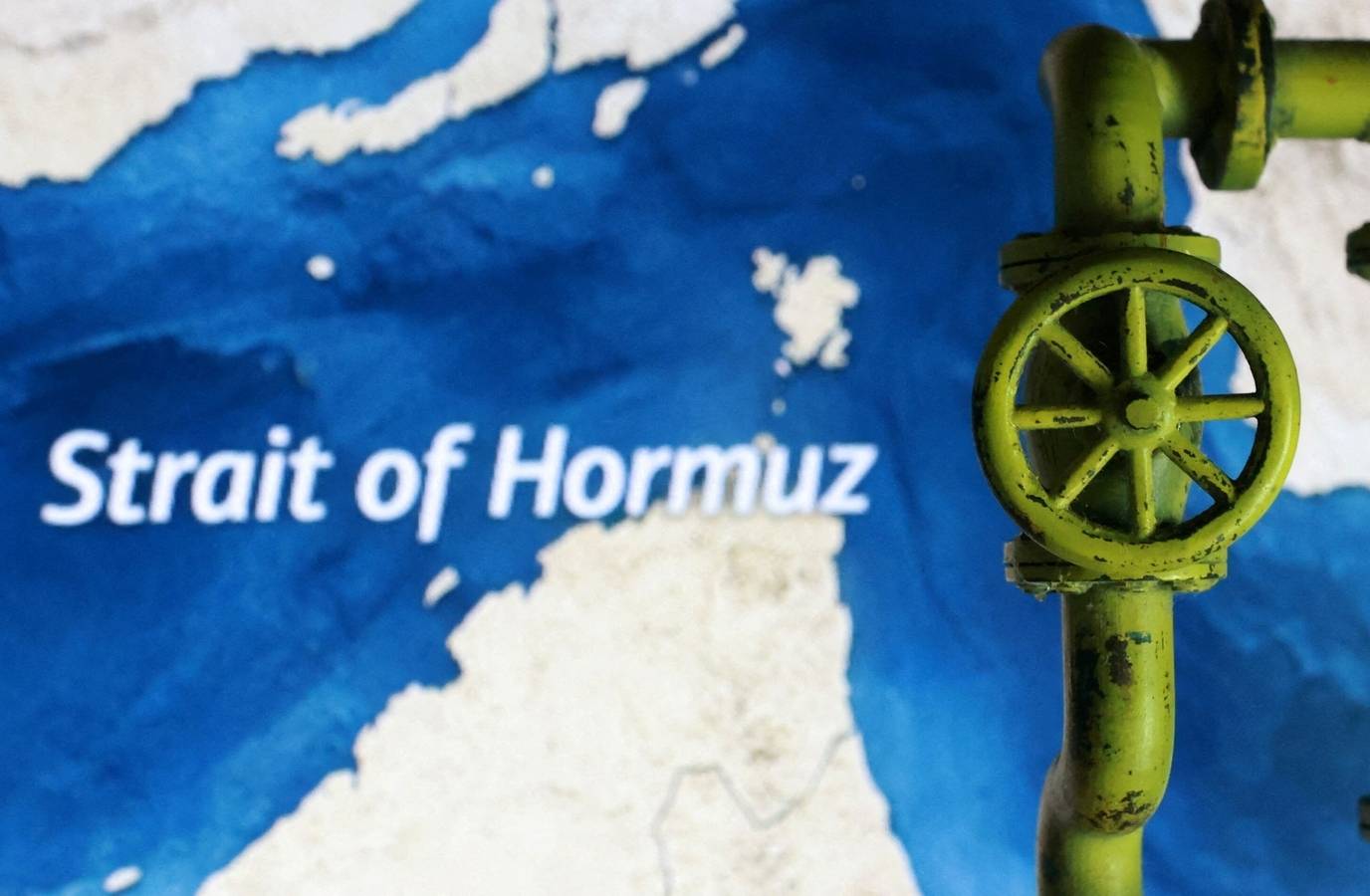
Israel and US strikes have wiped out senior Iranian leaders and hit key targets across the country, but Iran has secured a significant strategic victory by tightening its grip over traffic through the Strait of Hormuz.
According to ship-tracking data, only six vessels per day on average have traversed the narrow waterway connecting the Persian Gulf to the world in either direction, a drastic decrease from the 135 vessels per day in normal times.
The data also shows that 80% of the oil tankers exiting the strait have been Iranian or belong to countries with which it is on cordial terms.
Tehran's ability to control the strait is increasing, with virtually all vessels making the crossing along Iran-approved routes and often after talks to seek safe passage.
Iran has passed a law introducing a toll and banning US and Israeli vessels from transiting the strait, formalizing a system which multiple shipowners have already been reporting.
The near-total closure of Hormuz has proved an exceptionally effective asymmetric weapon in Iran's fight against two of the world's most powerful military forces, giving Tehran a means of directly impacting global energy markets and inflicting acute financial pain.
Ship-tracking data suggest that Tehran's oil has continued to flow, almost entirely to China, even as other ships are stranded and producers in the region have been left scrambling for alternatives or forced to stop producing.
The impact of Iran's control is visible in oil markets, with Brent up close to 60% this month, and is also translating into diplomatic clout, especially with large oil-importing nations.