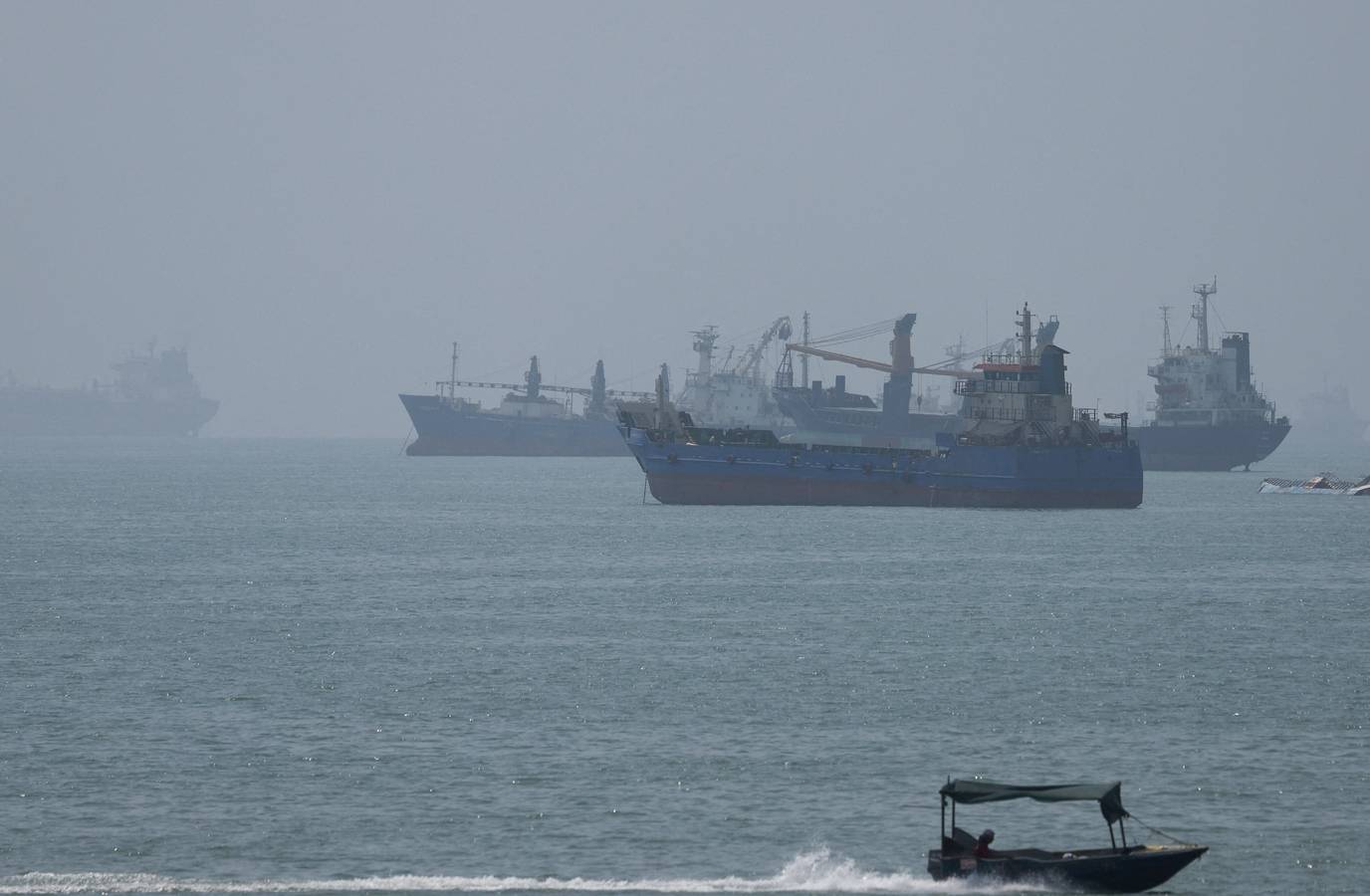
One of the biggest consequences of the US-Israel war with Iran has been Tehran's move to block commercial traffic through the Strait of Hormuz, triggering a natural gas shock that will be felt for years to come.
The war's damage to physical infrastructure and security associated with liquified natural gas will be longer term, forcing countries to find alternatives to LNG and potentially reshaping its role as a "bridge fuel" to renewables.
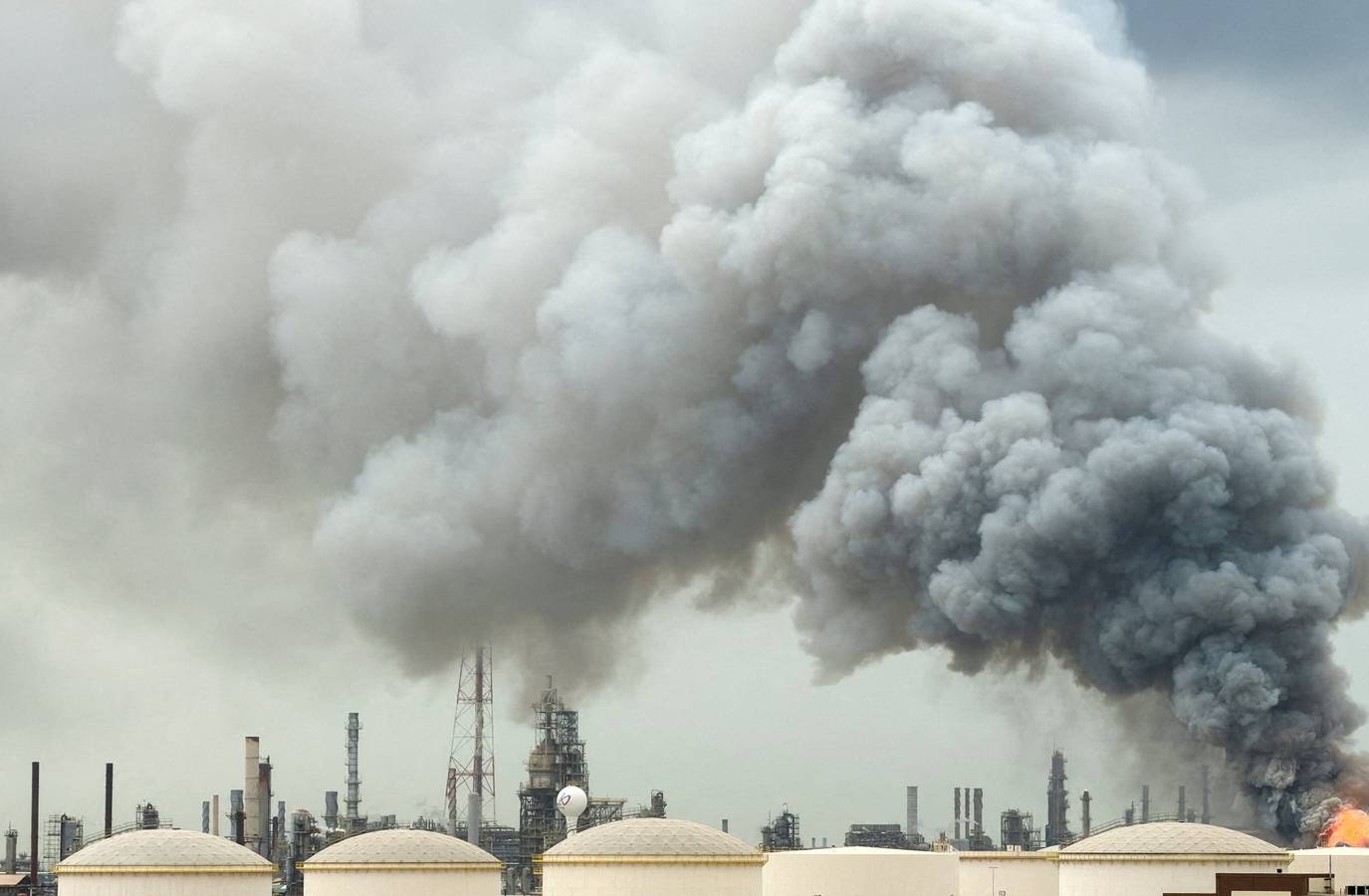
Qatar's Ras Laffan facility, which supplies nearly a fifth of global LNG exports, suffered significant damage in March as Tehran retaliated against American and Israeli bombing.
Qatar's finance minister warned of bigger economic fallout over the coming months if the strait isn't reopened, and soon, saying what the world has seen so far with higher energy costs is "the tip of the iceberg."