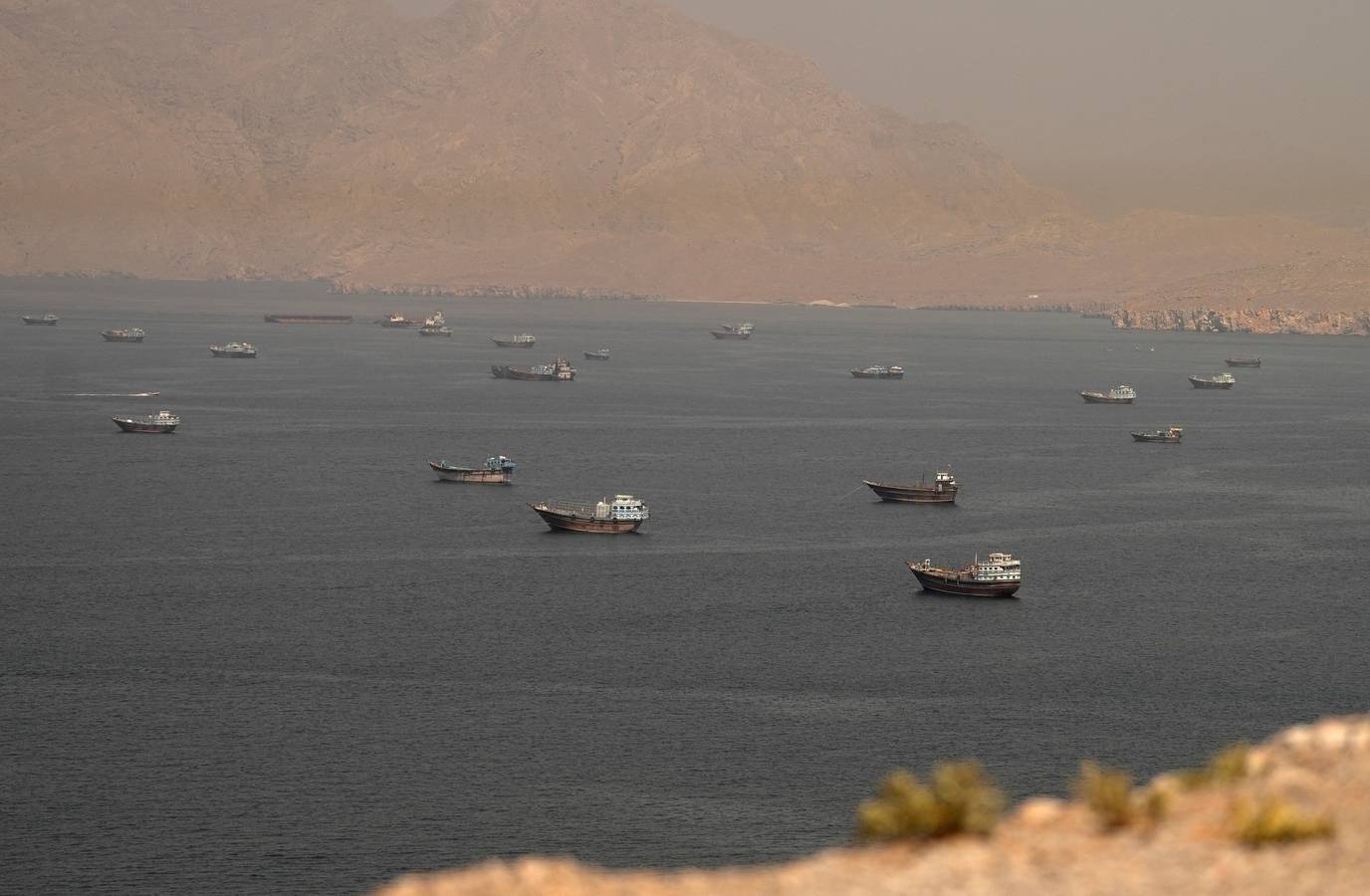
The Middle East remains locked in a long, uneasy stalemate, with low-intensity conflict, weaponised chokepoints, and proxy wars dominating the region. Talks in Switzerland have failed to bring peace, with the US and Iran engaging in a game of cat and mouse over the Strait of Hormuz.
Iran's ability to disrupt maritime traffic through the strait has become a major pressure point, with Tehran using it as leverage to inflict pain on Gulf adversaries and the global economy. The strategic stakes are enormous, with a quarter of global seaborne oil and large volumes of LNG and other critical commodities moving through the strait.
The region's geography has become a weapon, with Iran using its proxies in the Houthis, Hezbollah, and others to target key infrastructure and disrupt supply chains. The US and its allies are struggling to counter this strategy, with limited leverage and no clear way to roll back Iran's ballistic missile arsenal or its control over proxies.
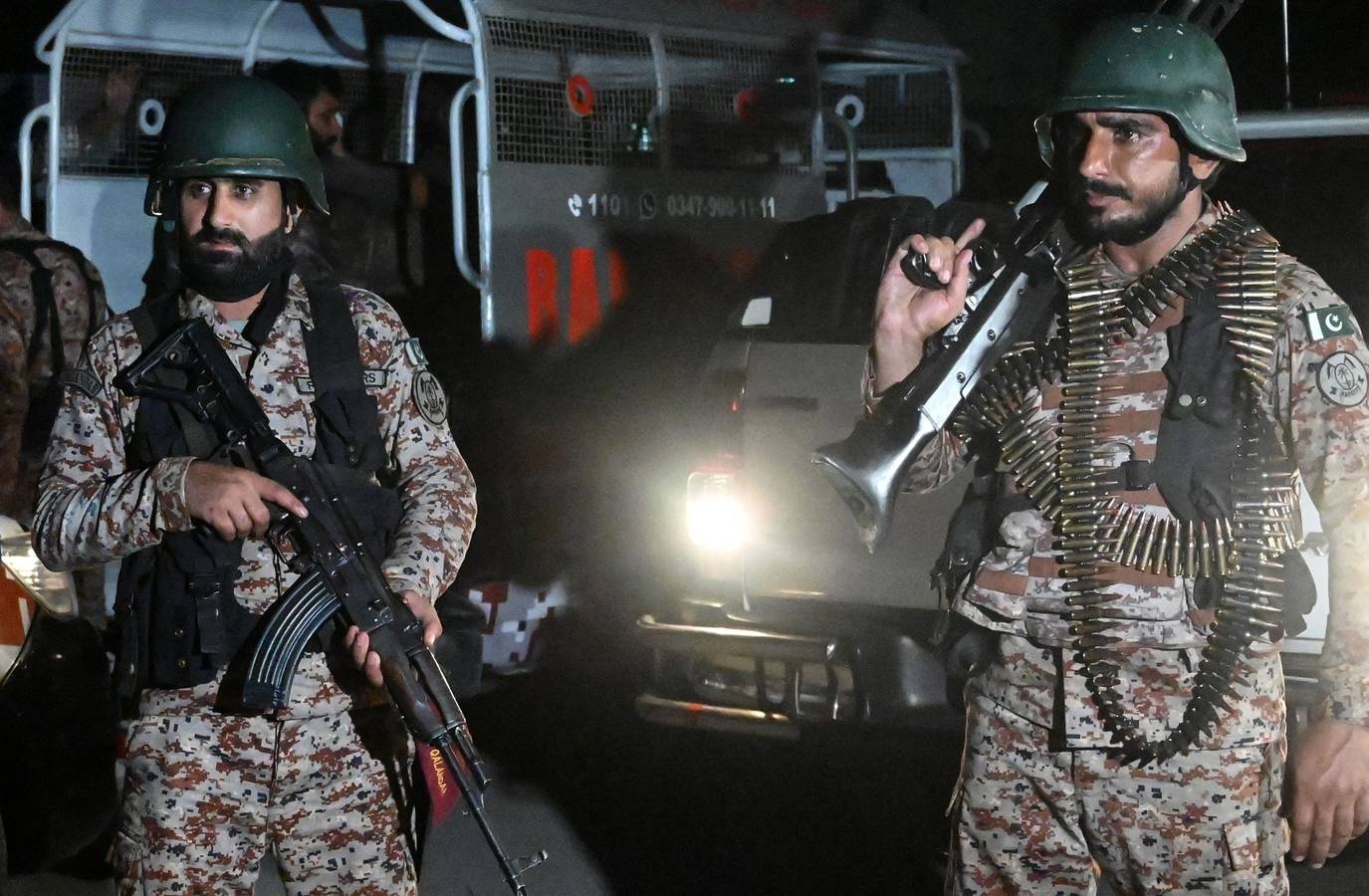
The Middle East has become a battleground for rival empires, with Iran, Turkey, and Saudi Arabia vying for influence and dominance. Qatar and Pakistan are side players, hosting talks and passing messages, but ultimately unable to set the strategic terms.
As the crisis drags on, the benefits of instability are being reaped by outside powers, including Russia and China. The US is caught in a quagmire, with no clear way out and limited options for resolving the conflict.
The one potential positive outcome is if Iran is allowed to resume large-scale oil exports, but even this comes with a catch: if sanctions relief is de-linked from firm constraints on Iran's ballistic missiles, drones, and proxies, Tehran could walk away with billions of dollars while retaining its disruptive capabilities.