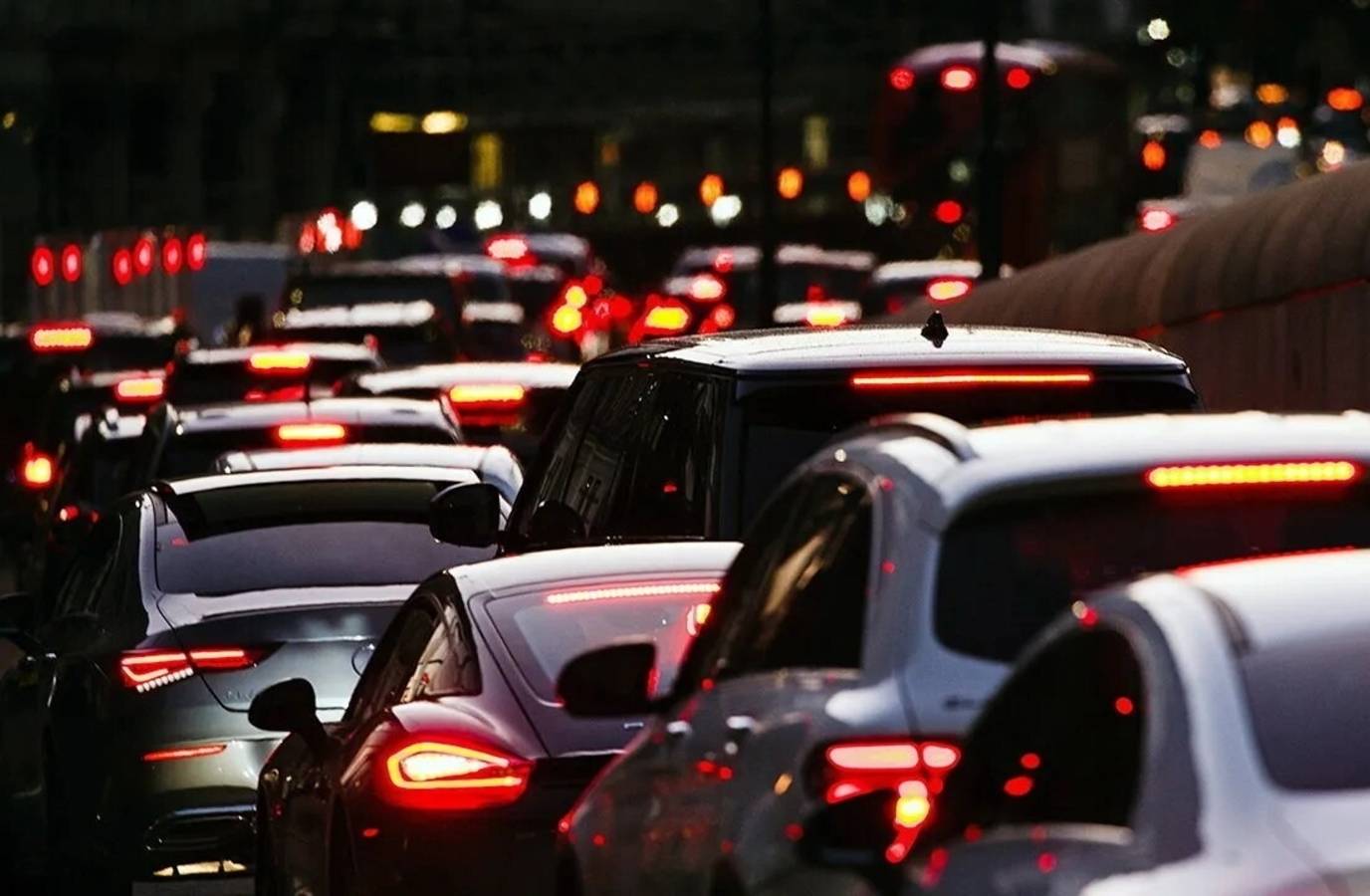
The recent war in the Middle East has led to a surge in petrol prices in Britain, with the average price of petrol rising by 8p to £1.40 a litre. However, despite the increase, the cost of driving has rarely been cheaper. According to The Economist's calculations, the cost of fossil fuel accounts for only around 40% of the retail price of petrol, with the remaining 60% covering retailers' costs, fuel duty, and VAT.
Deflating petrol by consumer prices, the real price of fuel in the three months before the war in Iran was lower than at any time since March 2002. Modern vehicles are also more fuel-efficient, with the average fleet-wide fuel efficiency of Britain's vehicles improving by two-thirds over the past three decades.
The cost of buying and maintaining a car is also lower than it has ever been, with the real value of car expenditure (other than fuel) falling by 20% since 2000. The transition to electric vehicles, which now account for 6% of the country's fleet, will make motoring cheaper still, with charged at home, an EV costing around £5-8 to drive 100 miles.
Successive governments have frozen fuel duty since 2011, with a 5p cut following Russia's full-scale invasion of Ukraine in 2022. However, the Treasury has committed to adding the 5p back in September and reinstating the escalator that indexes fuel duty to inflation.