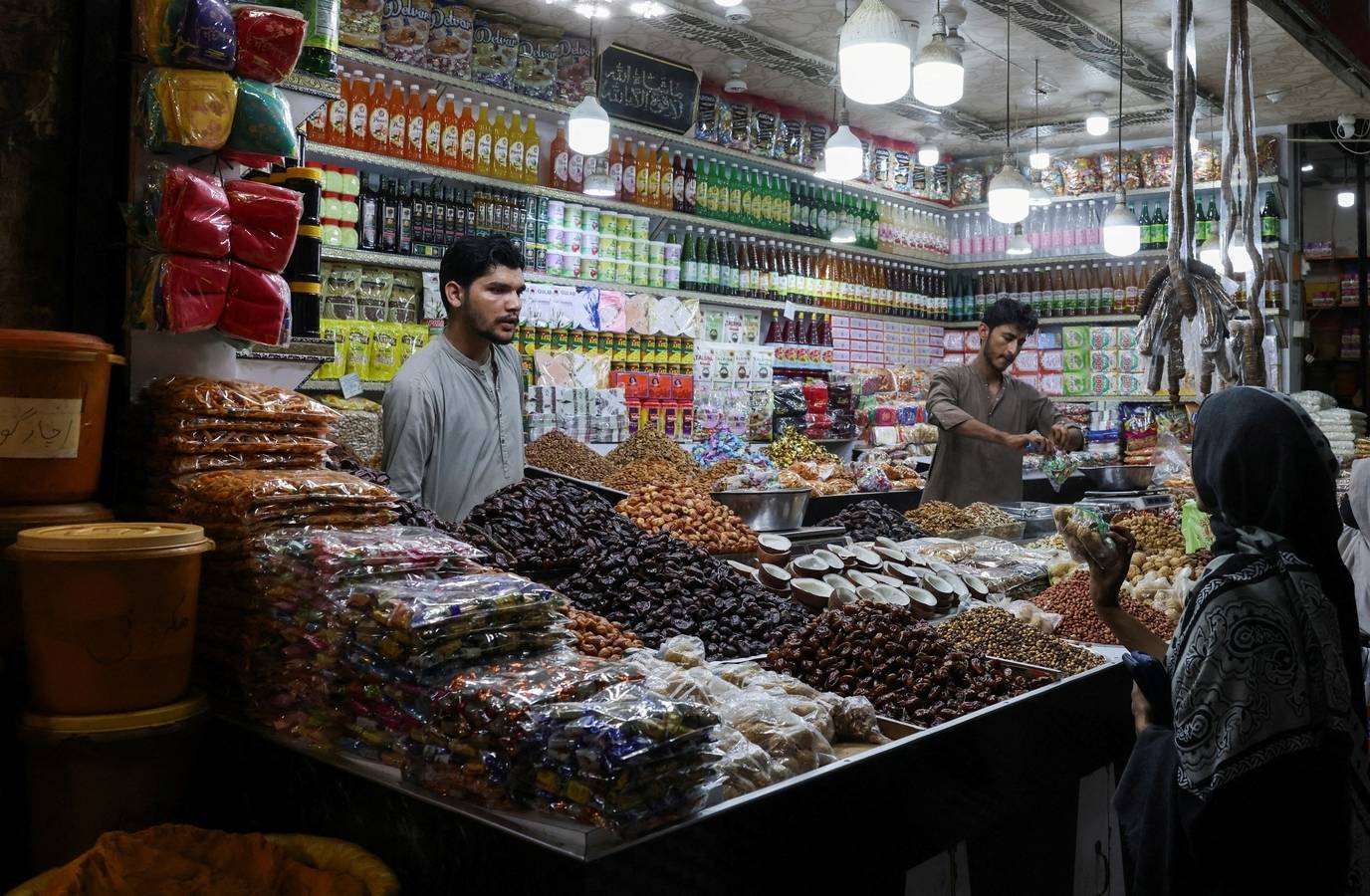
The Iran-US war has taken a toll on Pakistan's economy, with the middle class bracing for more shocks as the government prepares to propose a budget on Friday. The budget, which aims to raise revenue and cut spending, is likely to impact the middle class and registered businesses.
Fuel prices have risen due to the Iran-US war, pushing Pakistan's inflation back to double digits. The burden of higher fuel and power costs, along with taxes, will fall largely on formally registered businesses and salaried workers.
Experts say the government's hands are tied, prioritizing fiscal consolidation over economic growth. To achieve its targets, the government will have to crack down on non-filers, agriculture, and traders, but the political will to do so is missing.
Pakistan's dependence on Gulf energy imports, remittances, and financing support makes its economy vulnerable. The government aims for 4.1% economic growth and 8.2% full-year inflation, but business confidence is at a low, and input costs are at a 21-month high.
The budget is expected to protect the poorest citizens by providing them with cash transfers. However, the delay in budget presentation has raised concerns, with sources suggesting that the government was trying to resolve issues with the IMF.