The city of Albuquerque, New Mexico, has seen a disturbing trend in police killings, with 116 people shot and killed by the city's police since 2013, according to Mapping Police Violence. This number is significantly higher than in other cities of similar size, such as Boston and Britain.
The rise in police killings in the US is a broader problem, with the number of Americans killed by police jumping by about a third in the decade leading up to 2024. Despite this, national murder rates are falling, and a growing share of Americans who are killed are dying at the hands of police.
The challenge in Albuquerque is not new, with a scathing report by the Department of Justice in 2014 concluding that the city's police officers too frequently use deadly force against people who pose a minimal threat. Despite a federal consent decree aimed at reducing the use of force by police, the numbers have continued to rise.
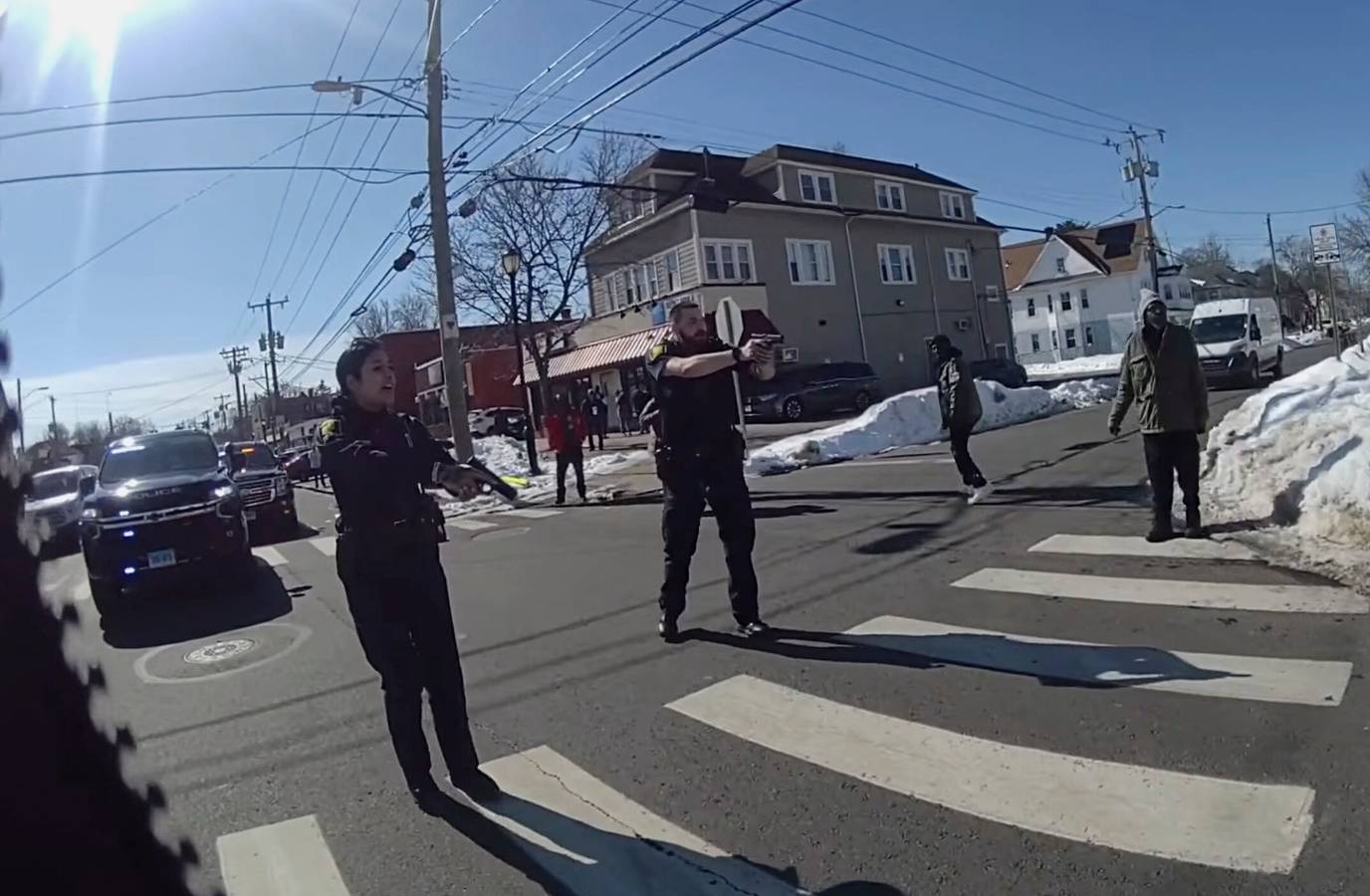
Reformers are turning to shifts in police strategy to address the issue, including restricting police from chasing offenders on foot and providing training on when to draw their weapons and use tasers. However, the problem remains stubborn, and police are becoming more risk-averse, often turning to their weapons in difficult situations.
Inadequate care for the mentally ill also compounds the challenge, with Albuquerque struggling to recover from deep cuts to state funding for mental-health treatment in the 2010s.
Shootings by sheriffs, who operate mostly in rural areas, have risen especially fast in recent years, countering improvements in some big cities.