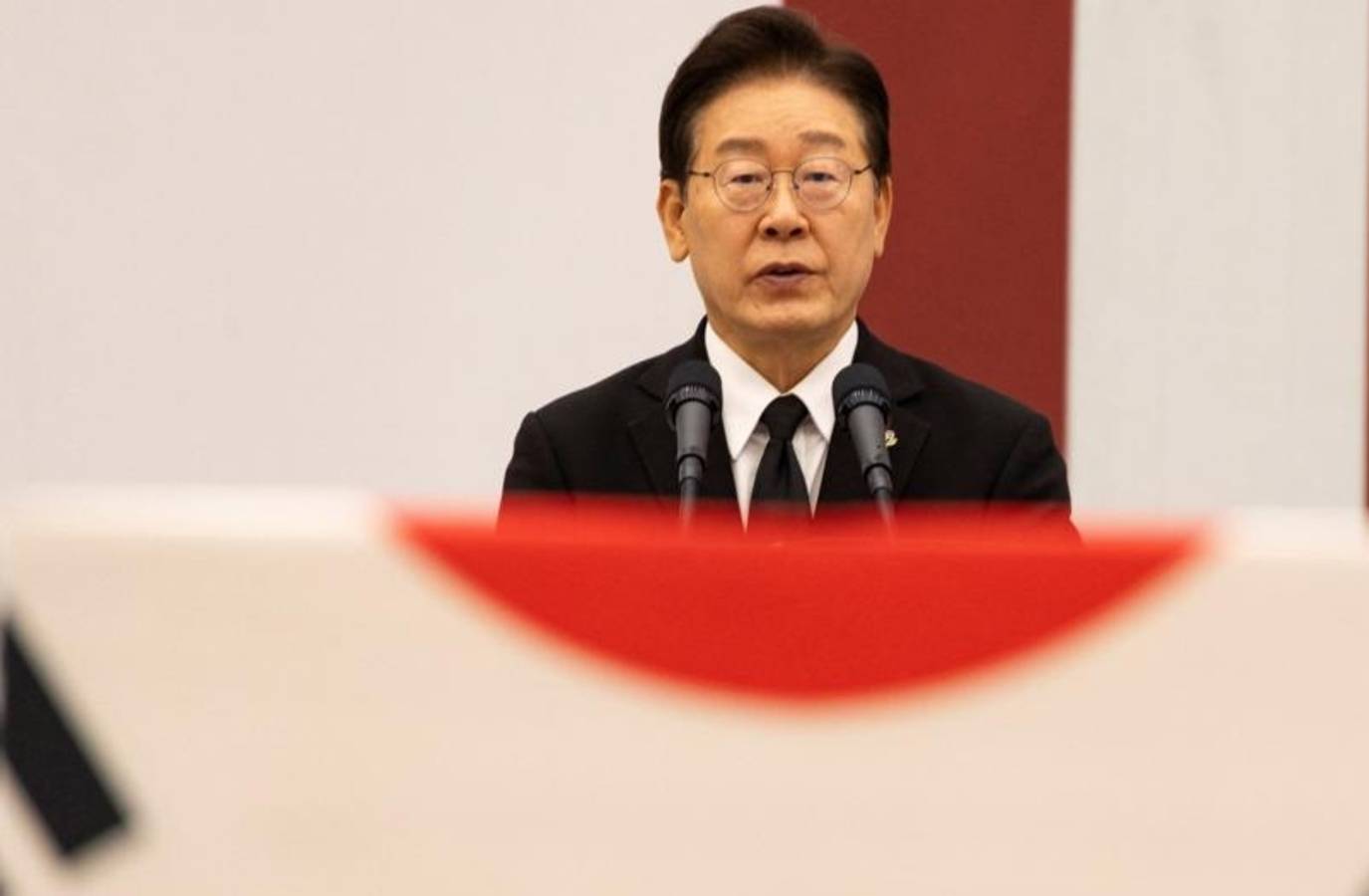
South Korea's new president, Lee Jae Myung, has moved back into the Blue House, a symbol of the country's turbulent past. In an interview with The Economist, Mr Lee projects calm, saying his country can 'move beyond this normalisation of the abnormal.'
However, challenges loom ahead, including implementing deals reached with the US, stabilizing relations with North Korea, and addressing economic issues. Mr Lee has managed to boost capital markets and stabilize relations with China and Japan, but his approval ratings remain around 60%.
Mr Lee's government has pledged to raise defence spending to 3.5% of GDP and take greater responsibility within the alliance's command structure. He has also forged a bond with Japan's right-wing prime minister, Takaichi Sanae, born of a shared understanding that the neighbours must get along in the face of a more assertive China and a less reliable America.
Dealing with the Donald, as Mr Lee calls him, could have been disastrous, but his government has pledged to raise defence spending and take greater responsibility within the alliance's command structure. Mr Lee has also slid several long-standing security goals into a package deal with the US, gaining the American president's blessing for South Korea to possess nuclear-powered submarines and to develop the capacity to enrich and reprocess nuclear fuel.
However, implementing the deals reached with the mercurial American president is the first big challenge looming over the rest of Mr Lee's term. Big gaps still need to be bridged, not least over the question of where the submarines will be built.