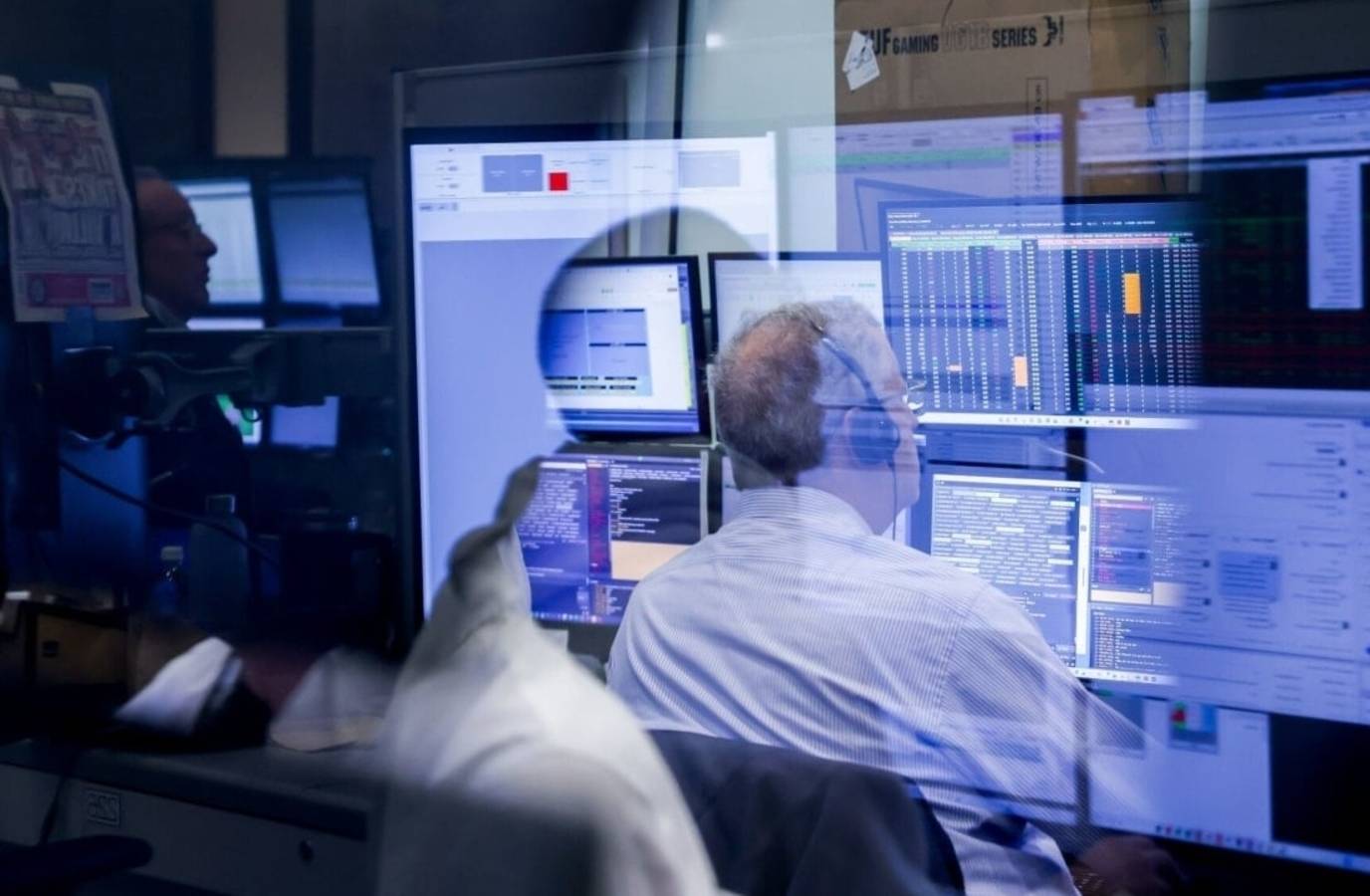
Corporate earnings are surging, economic data are solid, and oil prices are tumbling in the wake of the interim U.S.-Iran peace agreement. U.S. stocks have the wind at their back and new records within reach.
Yet lurching drops in some recent sessions betray investors’ underlying jitters. Many note that big rallies tend to precede a slide. Once stocks have logged huge gains, the question becomes: How much further can they go?
At a time of unusual optimism—with SpaceX shares soaring into orbit and big tech companies plowing hundreds of billions of dollars into the artificial-intelligence build-out—here are some of the biggest risks that investors are monitoring:
Stretched valuations, higher rates, AI jitters, and stock supply are all concerns that investors are watching closely. The S&P 500 has already delivered double-digit returns in each of the past three years and is up 9.6% this year, leaving many investors skeptical that the current pace of gains is sustainable.
Optimists note the S&P 500’s forward-looking price/earnings ratio has actually declined this year. That is because, as much as prices have climbed, expectations for corporate profits have risen even more.
But stock valuations still look very stretched when measured against the effectively risk-free return that investors can get by holding U.S. Treasurys to maturity.
This can be seen in the narrow gap between the S&P 500’s earnings yield—the inverse of its P/E ratio, expressed as a percentage—and the yield on 10-year U.S. Treasurys. The so-called excess CAPE yield—a measure of that gap that accounts for inflation—is sitting around 1.3%, near its lowest level of the past decade.
Unless bond yields fall, many believe that could prove to be a headwind for stocks.
Higher rates are also a concern, with yields having retreated only marginally since the interim peace agreement was reached. With inflation comfortably above the Fed’s 2% target and moving higher in recent months, many investors are hesitant to get too excited about what a drop in oil prices could mean.
Investors also intensified bets on rate increases after last week’s Fed meeting led by new Chairman Kevin Warsh, who expressed more concern about inflation than many had anticipated.
AI jitters are also a concern, with spending on data centers and other AI infrastructure this year by just four big tech companies expected to total more than $670 billion—a larger investment as a share of the economy than the railroad expansion of the 1850s.
Questions linger about the foundations of that investment boom, with some investors seeing a pullback in AI-infrastructure investment as the biggest threat to stocks, given its importance to both corporate profits and economic growth.
Stock supply is also a concern, with companies that need cash to fund AI investments taking advantage of the opportunity to sell shares at high prices.
Accounting for both stock sales and retirements, net equity issuance by nonfinancial companies turned positive in the first quarter of this year for the first time since 2021, according to Fed data.
That was even before SpaceX raised $86 billion in its initial public offering this month and Alphabet announced plans to raise $85 billion with its own equity offering.
So far, investors have managed to absorb this influx of stock supply. But the trend has still raised concerns, given that net equity supply also turned positive not long before previous stock selloffs in 2000 and 2022.