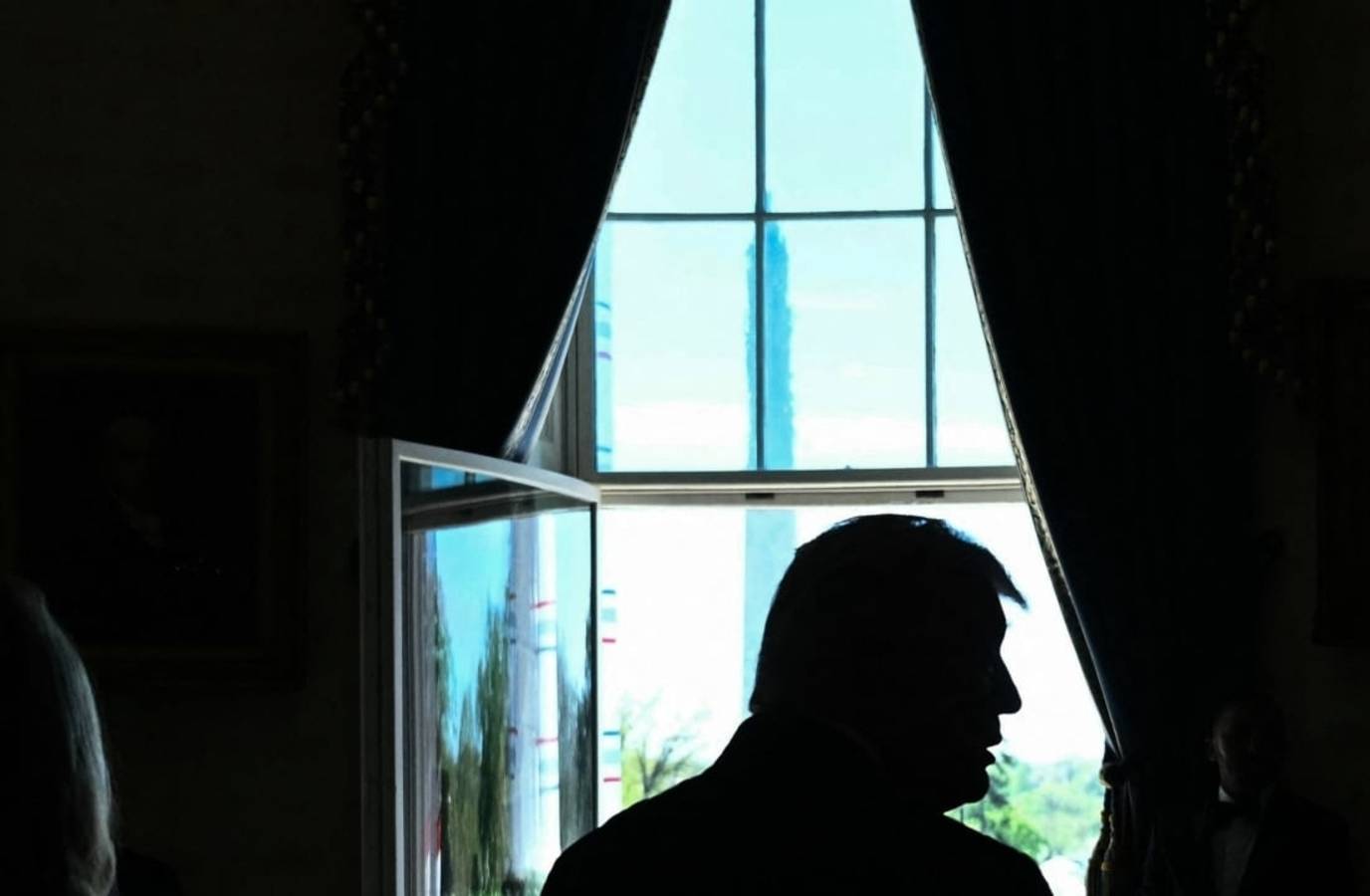
President Trump issued a dramatic ultimatum to Iran, threatening to bomb the country's bridges, power plants, and other civilian infrastructure unless a deal was reached within 12 hours. The threat sent shockwaves around the world, with global leaders and citizens scrambling for an off-ramp or a way to prevent a catastrophic escalation.
As the clock ticked down, Trump's advisors and allies engaged in frantic negotiations with Iran, while U.S. military planners prepared for potential strikes on Iran's energy infrastructure. European officials and NATO Secretary-General Mark Rutte expressed concerns that Trump's threat would have the opposite effect on Iran's hardline Islamic Revolutionary Guard Corps.
With the deadline looming, Trump seemed to vacillate between last-minute diplomacy and more mundane activities, including a phone call to a rally in Budapest and meetings with tech investors and Justice Department officials. Some officials privately expressed concern about the president's threat, while others viewed it as a negotiating tactic.
As the day wore on, Trump's threat drew reactions from all corners, with actor Ben Stiller and Pope Leo calling for an end to the war and criticizing Trump's threats. Italian Prime Minister Giorgia Meloni and Sen. Ron Johnson (R., Wis.) also expressed concerns about the potential consequences of Trump's actions.
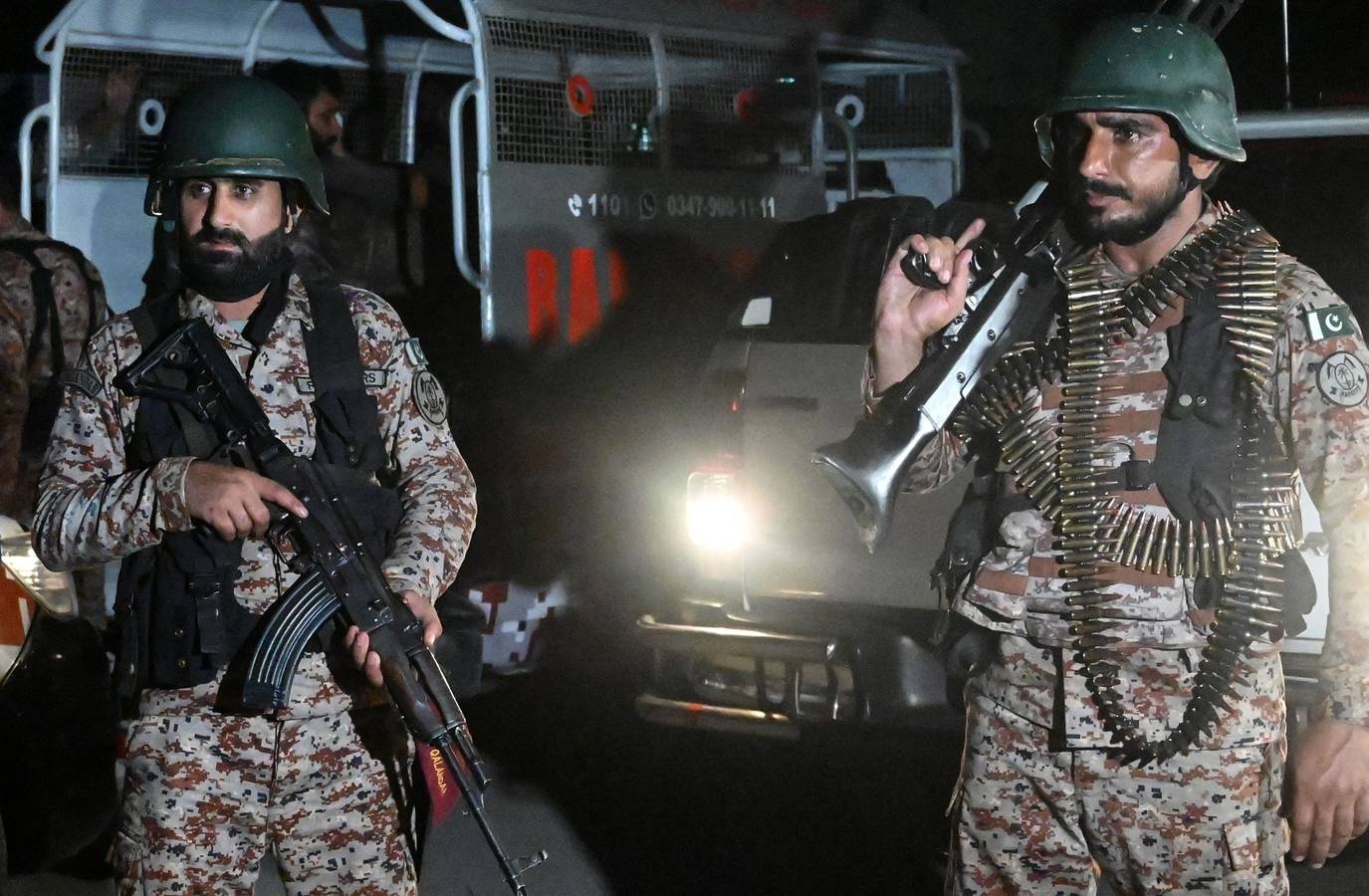
In a last-ditch push for a deal, Pakistani Prime Minister Shehbaz Sharif publicly called on Trump to extend his ultimatum by two weeks and back a U.S.-Iran cease-fire. Trump later announced that he would hold off on his planned strikes, subject to Iran agreeing to the complete, immediate, and safe opening of the Strait of Hormuz.