The United Arab Emirates has begun talks with the U.S. about obtaining a financial backstop in case the Iran war plunges the oil-rich Persian Gulf state into a deeper crisis, U.S. officials said.
U.A.E. Central Bank Governor Khaled Mohamed Balama raised the idea of a currency-swap line with Treasury Secretary Scott Bessent and Treasury and Federal Reserve officials in meetings in Washington last week, the officials said.
The Emiratis emphasized that they had so far avoided the worst economic effects of the conflict but might still need a financial lifeline, the officials said.
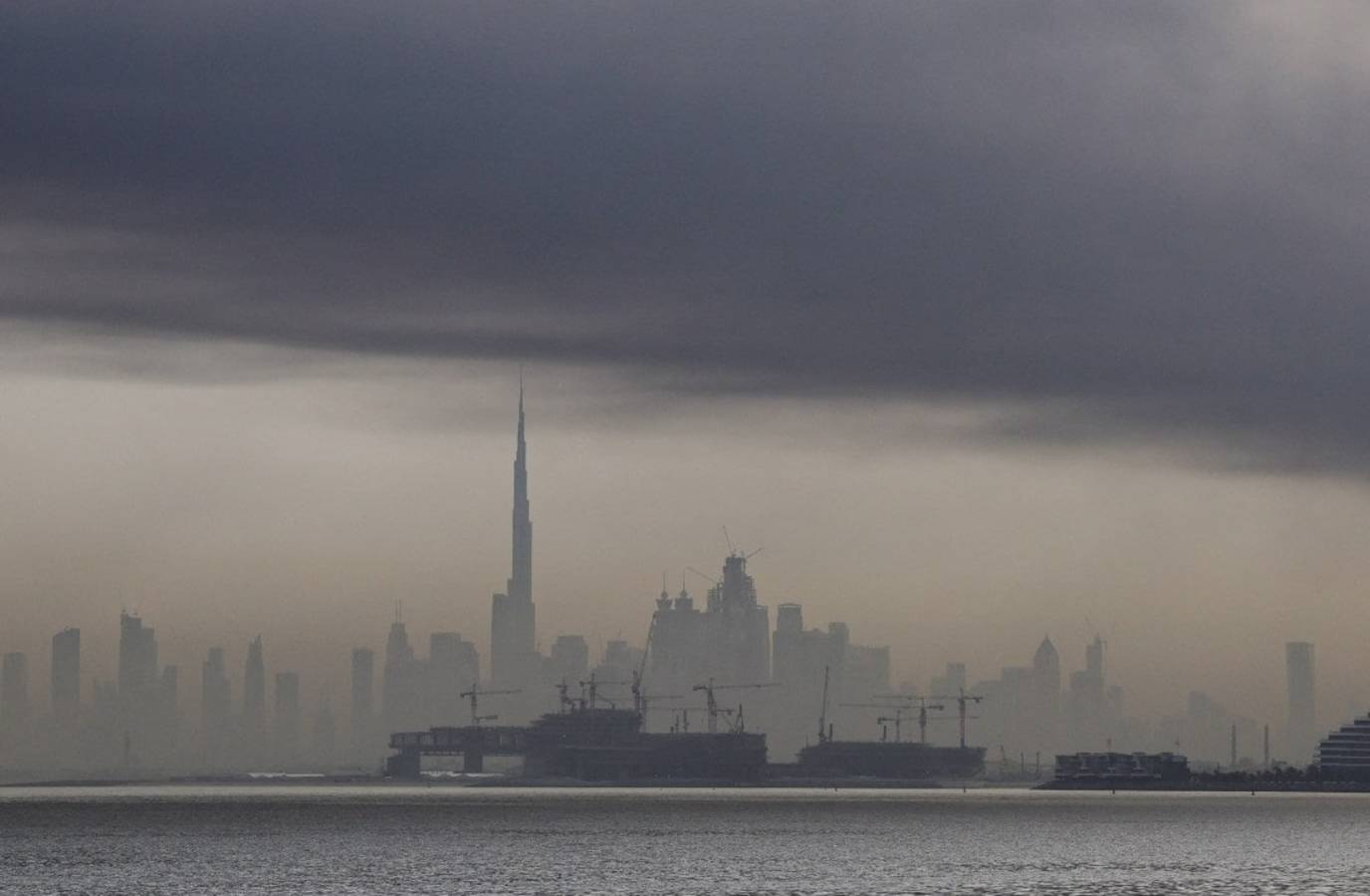
The talks highlighted the U.A.E.'s concern that the war could inflict major damage on its economy and its position as a global financial hub, depleting its foreign reserves and scaring away investors who once saw it as a stable and secure place for their money.
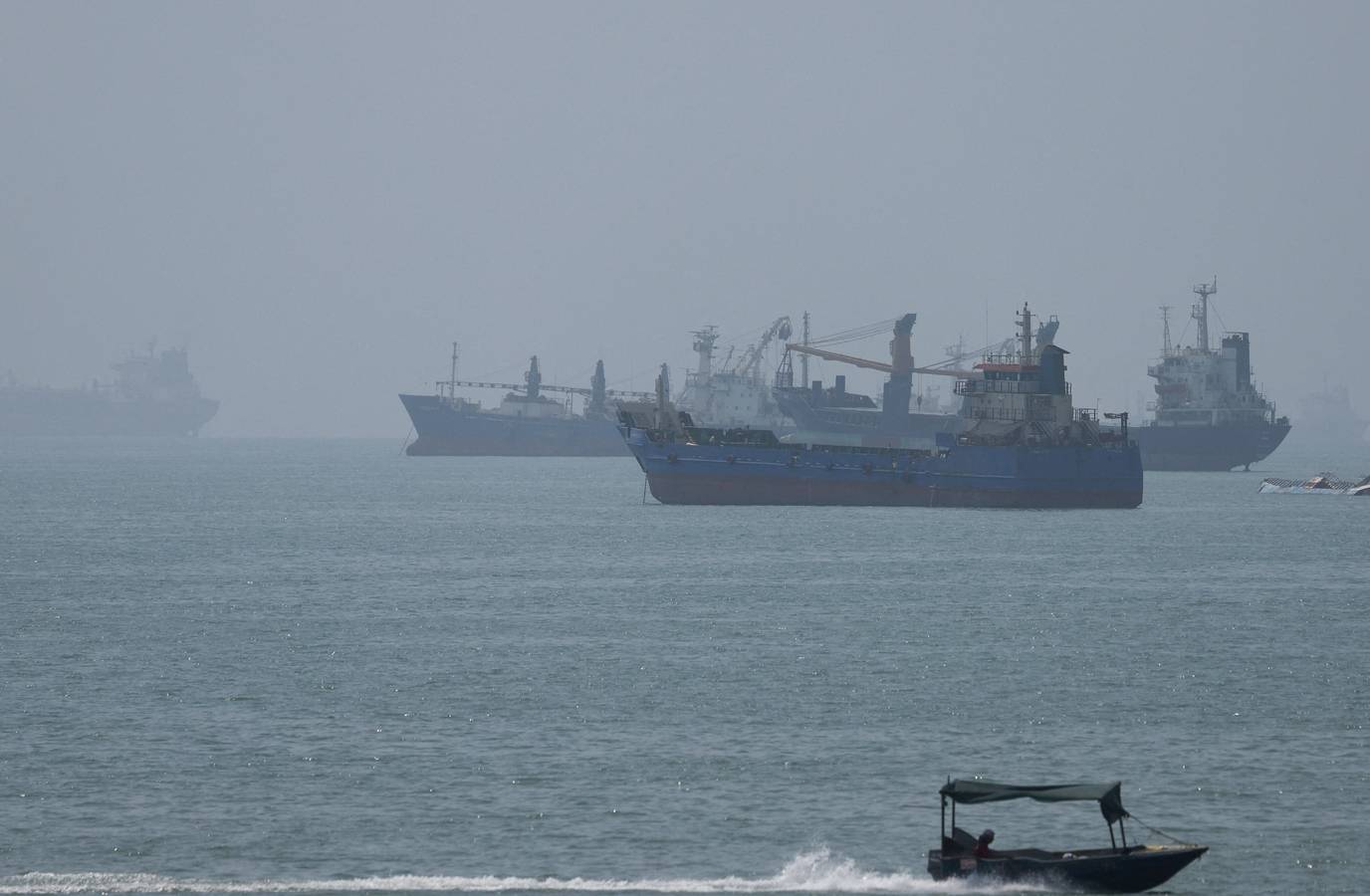
The conflict has damaged Emirati oil-and-gas infrastructure and shut off their ability to sell oil using tankers transiting the Strait of Hormuz, depriving it of a key source of dollar revenues.
Emirati officials haven’t made a formal request for a swap line, which would give the U.A.E. central bank inexpensive access to dollars to support its currency or shore up its foreign reserves in case of a liquidity crisis.
The U.A.E. has threatened to freeze billions of dollars of Iranian assets held in the Gulf state, a move that could sever one of Tehran’s most important economic lifelines.
Treasury officials invited Gulf countries on the sidelines of the IMF and World Bank meetings in Washington last week to outline their needs for repairing infrastructure and rebuilding their economies, promising to put them at the front of the line if assistance is needed.