US Secretary of State Marco Rubio's statement that negotiating a deal with Iran could 'take a few days' has dimmed hopes for an imminent end to the conflict. Despite progress on a 14-point memorandum of understanding, the two sides remain at odds on key issues, including Iran's nuclear ambitions and the lifting of sanctions.
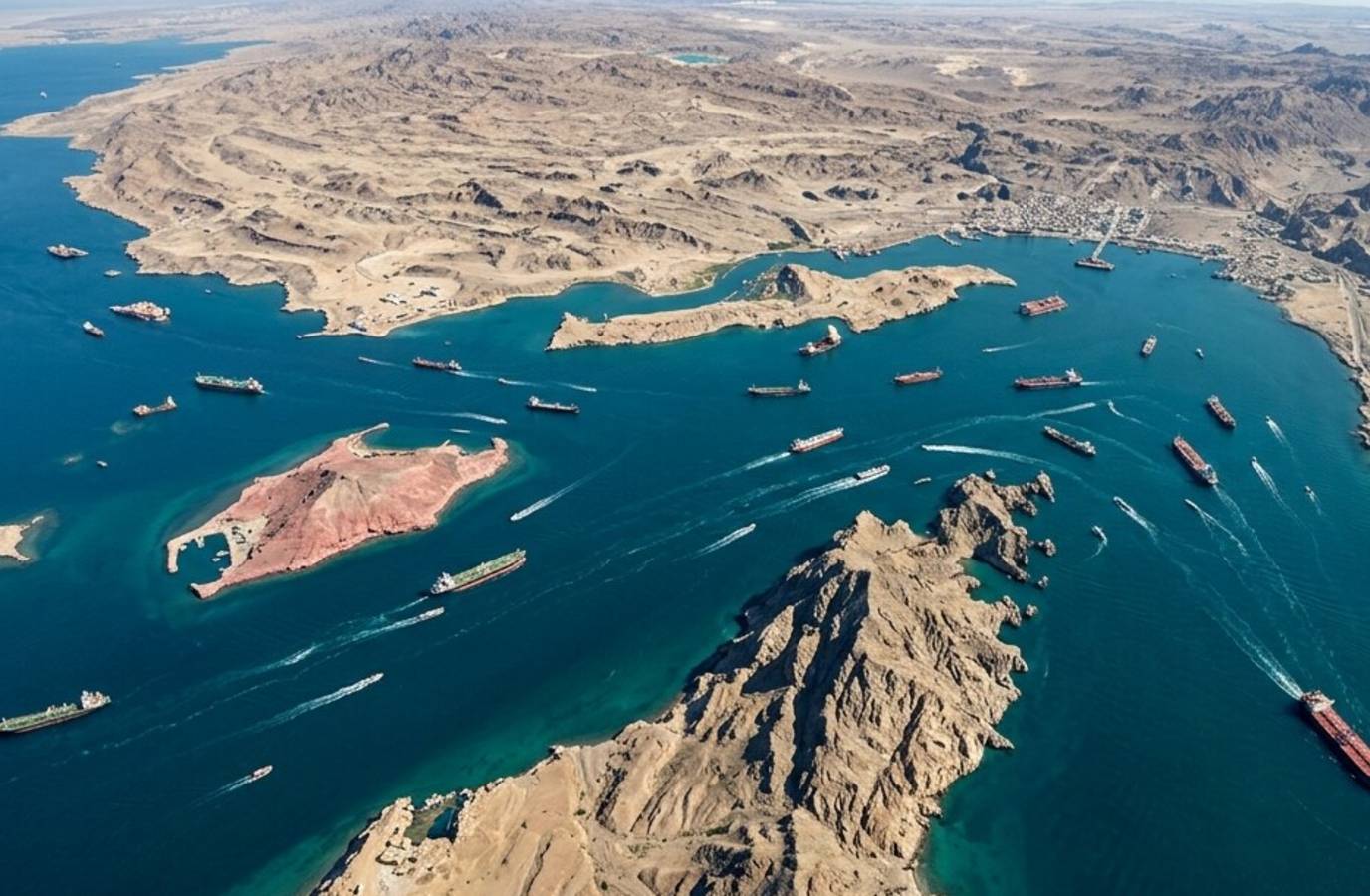
A potential framework deal includes the end of the war on all fronts, the release of blocked Iranian assets, and the opening of the Strait of Hormuz. However, the nuclear issue remains a major point of contention, with the US demanding a moratorium on enrichment and the export or dilution of highly enriched uranium.
The deal's progression depends on Iran's Supreme National Security Council approving the memorandum of understanding, followed by final approval from the country's supreme leader. If successful, the first phase of the agreement could lead to negotiations on the nuclear issue during a 60-day period.
The main issues at stake include the control of the Strait of Hormuz, the nuclear program, ballistic missiles, sanctions, and frozen assets. A lasting peace deal will require addressing these complex and contentious issues.