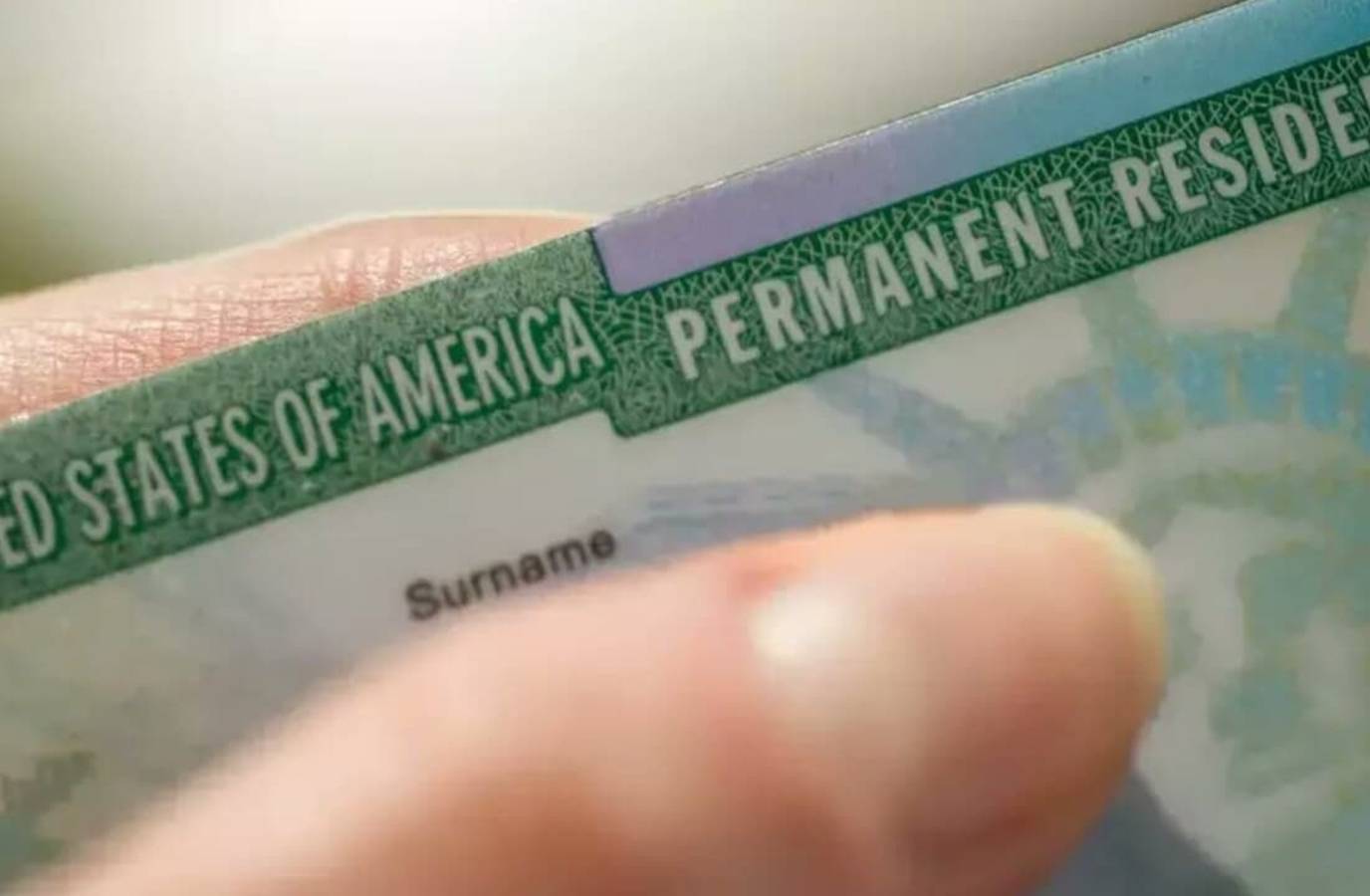
The US Supreme Court has handed a significant victory to the Trump administration in a case that could increase the risks for green card holders traveling abroad.
In a 6-3 ruling, the court determined that border officials do not need clear and convincing evidence of criminal activity to categorize a returning green card holder as an individual seeking admission into the country, a designation that could lead to deportation proceedings.
The case centered around Muk Choi Lau, a lawful permanent resident who was granted immigration parole after a visit to China in 2012, during which he was facing criminal charges related to counterfeiting in New Jersey.
Justice Clarence Thomas stated that the Immigration and Nationality Act allows authorities to consider a green card holder as seeking admission if the person has committed a crime involving moral turpitude, without the need for clear and convincing evidence.
Justice Ketanji Brown Jackson, along with Justices Sonia Sotomayor and Elena Kagan, expressed strong opposition to the ruling, warning that it undermines the protections typically granted to lawful permanent residents and gives the government a 'blank check' to categorize returning green card holders as applicants for admission.
Immigration attorneys have expressed concerns over the wider repercussions of the ruling, which could lead to increased risks for green card holders with unresolved criminal issues when traveling internationally.