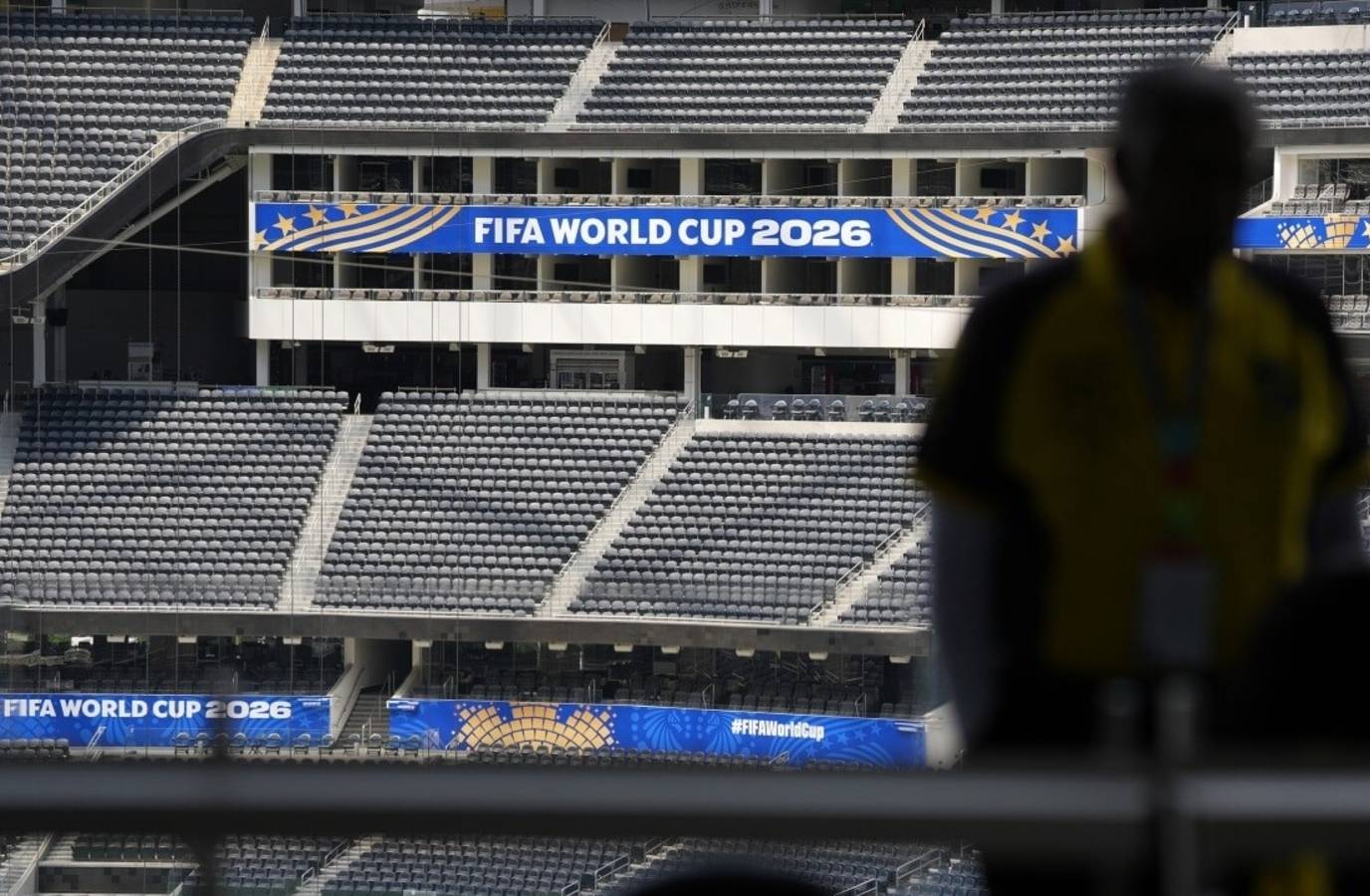
As millions of fans and tourists head to 11 US cities for the 2026 FIFA World Cup, public health experts are raising concerns about the spread of infectious diseases from measles to Ebola.
The 2026 World Cup spans over a month, with 39 teams setting up training camps across the US, the first match on June 12 in California and the final on July 19 in New Jersey.
Experts say the biggest disease threat is measles, not Ebola, with the US measles cases in 2026 already surpassing 2025 numbers.
Other risks include flu, norovirus, and food-borne illnesses, with public health experts concerned that the US is less equipped to handle a health emergency than in previous years.
The CDC has seen its staff cut by nearly 30% since last year and currently has no permanent director, raising concerns about the country's preparedness to host the World Cup.