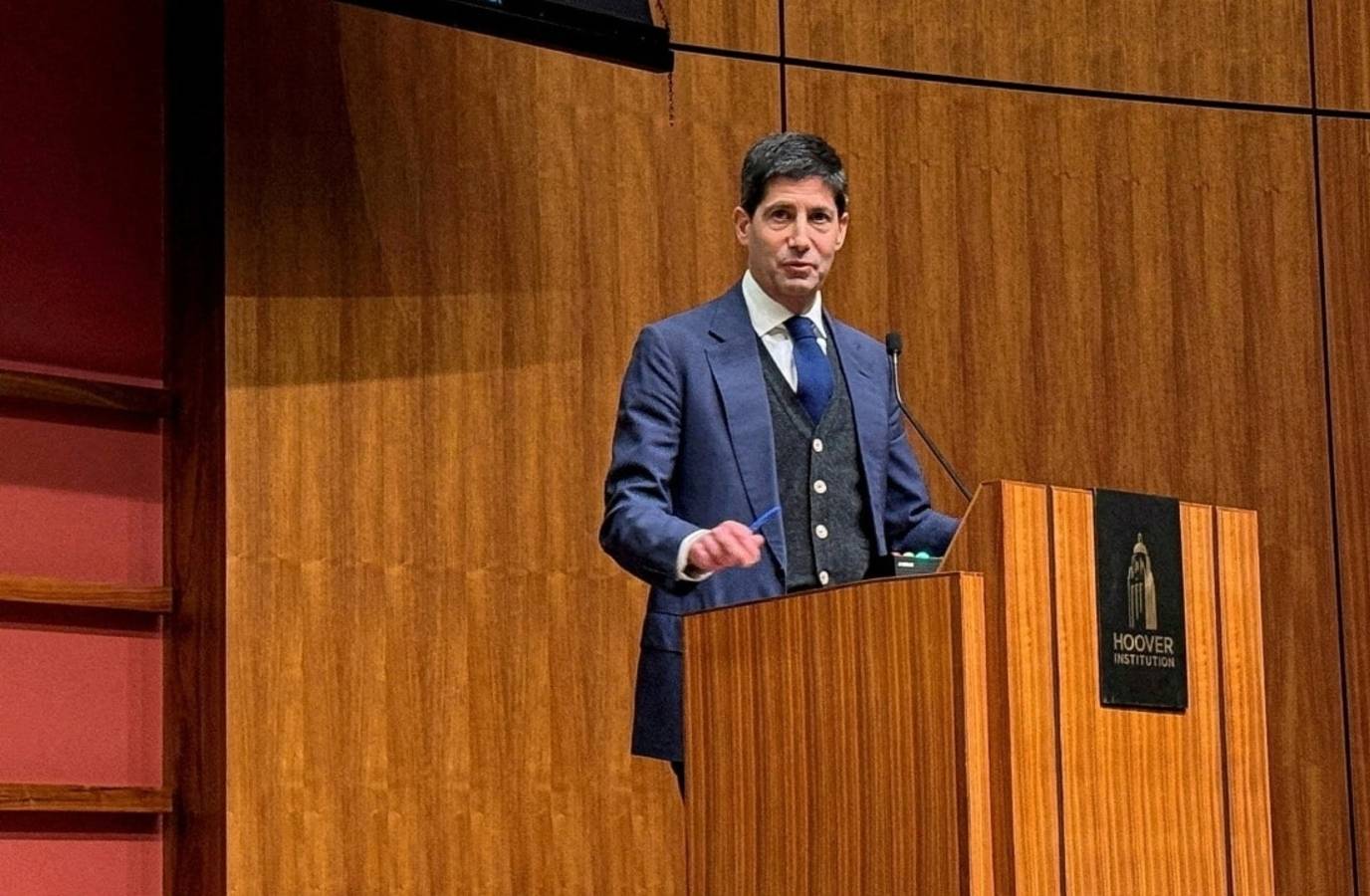
Wall Street and Washington are watching Kevin Warsh's confirmation hearing for any sign he has an understanding with President Trump to cut interest rates if installed as chair of the Federal Reserve.
Warsh secured the nomination by convincing Trump he shares the president's view that the Fed should be cutting rates, but he can reaffirm that case or begin to distance himself from it at the hearing.
Air cover from Treasury Secretary Scott Bessent might have helped Warsh, but Trump publicly overruled Bessent one day later.
Warsh has said almost nothing in public about monetary policy in five months, but he broke the silence Monday, saying the Fed's independence isn't threatened when elected officials 'state their views on interest rates.'
However, he also warned that continued inflation would raise public doubts about whether monetary-policy independence is worth preserving.
Warsh's path to the job ran through a series of conversations in which Trump indicated that whomever he chose would deliver what Powell hadn't, and Warsh didn't just inherit the expectations Trump now holds; he helped set them.
The high-wire act starts before Warsh even has the job, and investors are watching closely because his views on monetary policy have moved in opposite ways over the past two years.
Warsh has laid out an ambitious agenda for his chairmanship, including reducing the Fed's role in overnight lending markets and leaning less heavily on backward-looking data.
However, whether this will matter to the White House if rates aren't coming down is another matter, and Warsh's views on monetary policy have moved in opposite ways over the past two years.