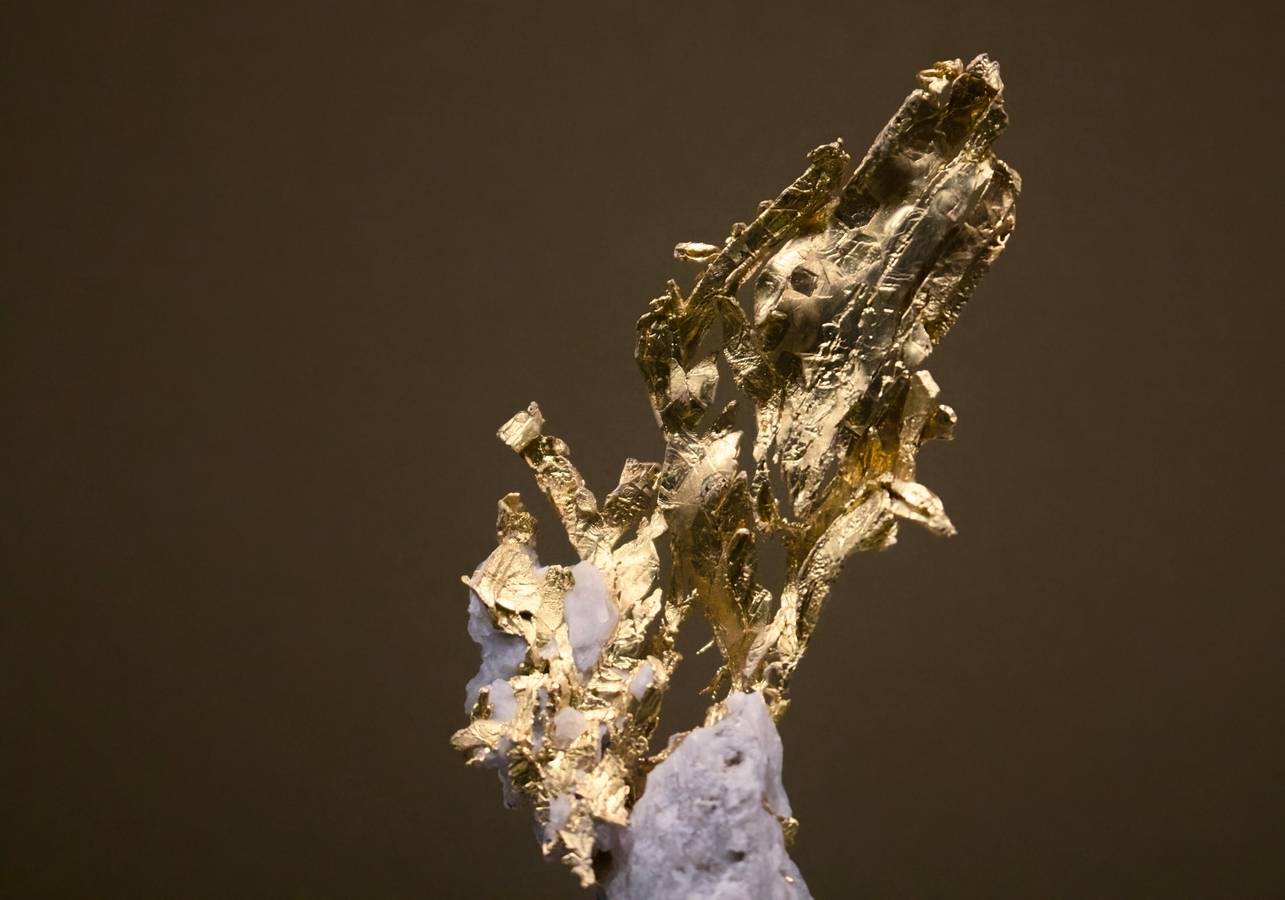
Gold mining has transformed Zimbabwe's economy, with the country producing a record 47 tonnes of gold in 2025, generating $4.6bn in exports. The high prices for gold and other commodities have led to a surge in cash through the informal economy, reducing inflation and making it easier for authorities to manage the currency.
However, the economic boom has not led to political reform, with President Emmerson Mnangagwa attempting to amend the constitution to stay in power, perhaps for life. The ruling Zanu-PF party has proposed a bill to lengthen politicians' terms from five years to seven, delaying the end of Mr Mnangagwa's rule from 2028 to at least 2030.
The bill would end direct presidential elections, allowing MPs to elect the president, and has been met with criticism from critical MPs and NGOs. Businesspeople are concerned about the bill, but would not dare criticise it in public.
Despite earlier hopes that Mr Mnangagwa might normalise relations with the West, his power grab makes it less likely. Zimbabwe has been unable to get official development finance for almost 30 years, having racked up unpaid debts of $7.4bn with the World Bank and several Western governments.