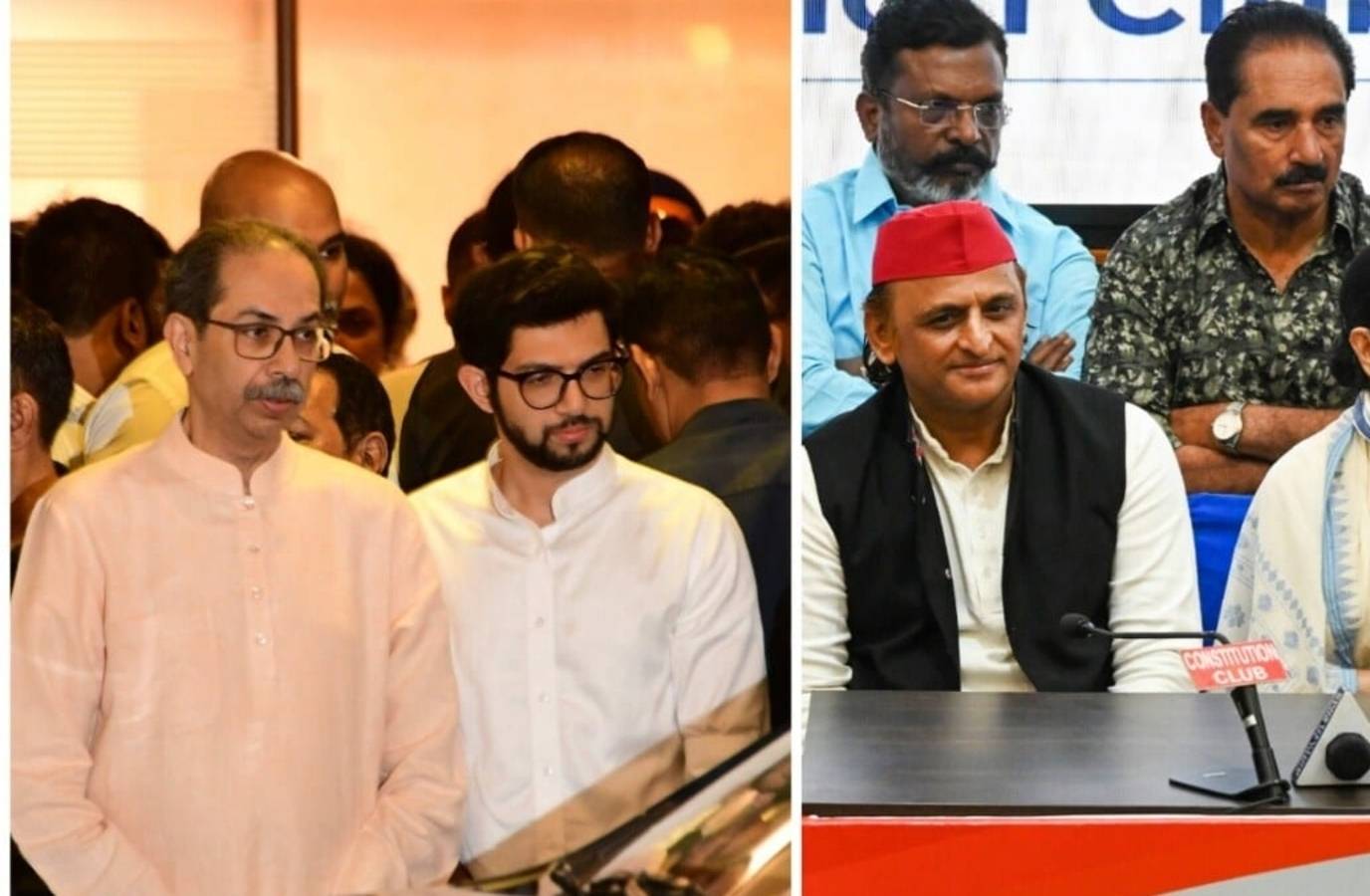
Recent political developments involving the Trinamool Congress (TMC) and Shiv Sena (Uddhav Balasaheb Thackeray) have ignited fresh discussion over the BJP-led National Democratic Alliance (NDA).
The debate gained momentum after reports of a split within the TMC and signs of rebellion among MPs belonging to the Shiv Sena (UBT).
While the numbers have improved for the ruling alliance, the NDA remains short of the required numbers for constitutional amendments in both Houses of Parliament.
Constitutional amendments require approval by a special majority in Parliament, and the proposed legislation requires a stronger parliamentary majority than the NDA currently possesses.
Delimitation refers to the redrawing of parliamentary constituencies based on population changes, and several opposition parties have raised concerns about a fresh delimitation exercise.
The NDA currently holds 293 seats in the 540-member Lok Sabha, but a two-thirds majority would require support from around 360 members.
Reports suggest that seven rebel TMC MPs and six rebel Shiv Sena (UBT) MPs could support the ruling alliance, which would increase the NDA's strength in the Lok Sabha to 316 seats.
However, the NDA would still be more than 40 seats short of the two-thirds mark of 360.
The picture is slightly different in the Rajya Sabha, where the NDA currently holds 149 seats and could rise to 158 seats following recent elections and potential bypoll gains.
This would put the NDA only six seats short of the required number in the Upper House.
Political discussions have also focused on the possibility of support from the DMK and Samajwadi Party (SP), though neither party has announced any such move.
If support from these parties were to materialise, the NDA's numbers would improve significantly in both Houses.