China Offers India a Roadmap to Tackle Delhi's Toxic Air: A 4-Point Plan to Clean Up
Beijing, which was also grappling with deteriorating air quality, has managed to drastically reduce pollutants. | India News
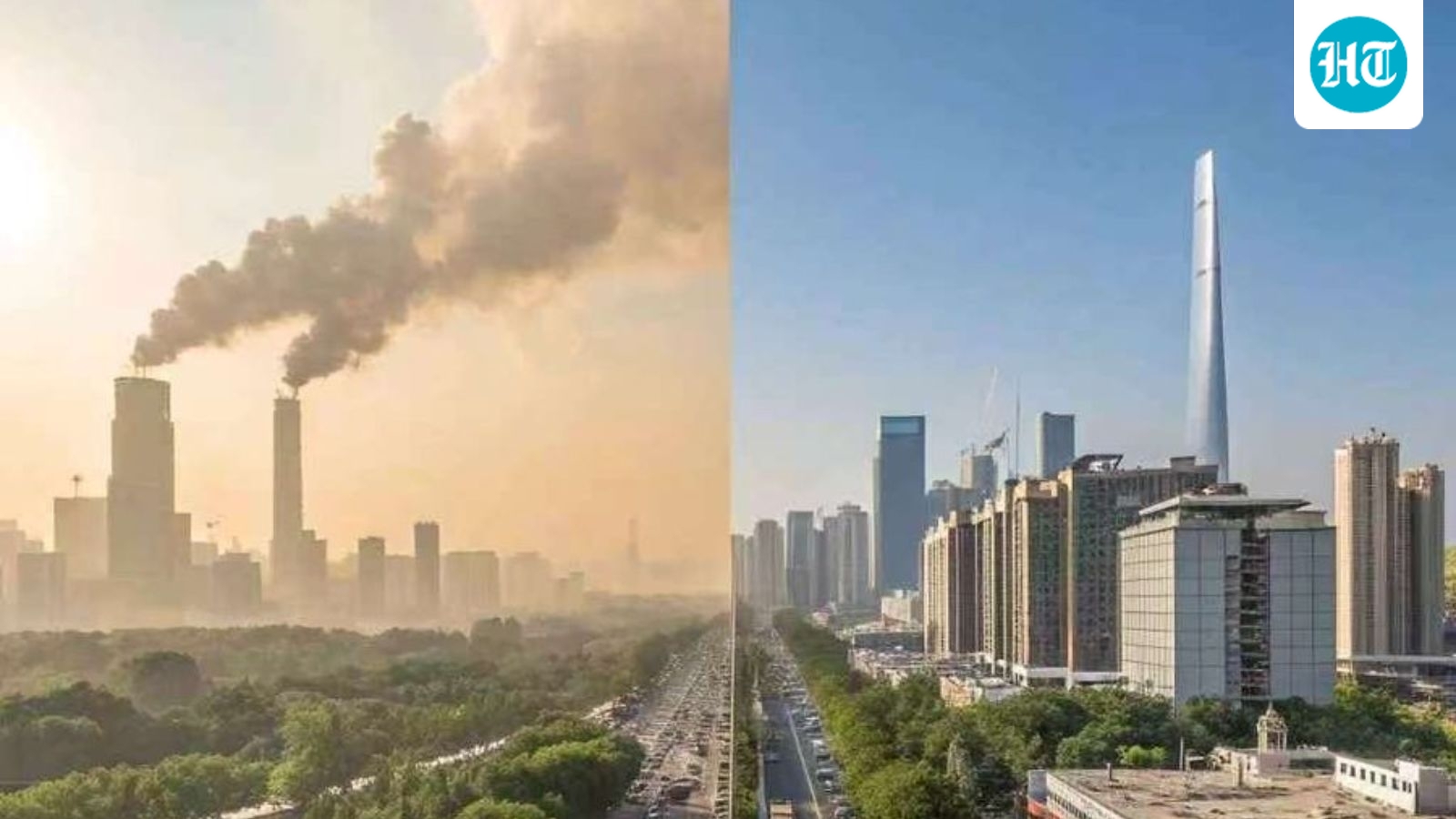
As Delhi struggles with its worst air pollution in years, China is sharing its battle-tested strategies to reduce pollutants. The Chinese embassy in India has released a step-by-step guide, which has helped Beijing significantly improve its air quality in the past decade.
In a bid to help Delhi tackle its toxic air, Chinese ambassador Yu Jing highlighted four key areas: vehicle emissions control, industrial restructuring, promoting clean energy, and urban planning.
Vehicle emissions are a major contributor to Delhi's pollution. Jing suggested adopting China's ultra-strict emission standards, known as China 6NI, to phase out old high-emission vehicles and promote electric mobility. Beijing's 'clean air strategy' has shown promising results, with a 64% reduction in PM2.5 pollution between 2013 and 2023.
Industrial restructuring is another crucial step in reducing pollutants. Jing proposed shutting down over 3,000 heavy industries, like Beijing's Shougang steelmaker, which was relocated and resulted in a 20% decrease in inhalable particles. Vacated factories can be transformed into parks, commercial zones, or cultural and tech hubs, as seen in the former Shougang site, which became a venue for the 2022 Winter Olympics.
Additionally, Jing suggested relocating wholesale markets, logistics hubs, and some educational and medical institutions from the capital to ease the burden on Delhi's infrastructure. These measures, implemented in the Beijing-Tianjin-Hebei region, have helped reduce pollutants and improve air quality.
Delhi can learn from China's experience and adopt these strategies to tackle its air pollution crisis. By implementing these measures, the Indian capital can breathe easier and provide a healthier environment for its citizens.