
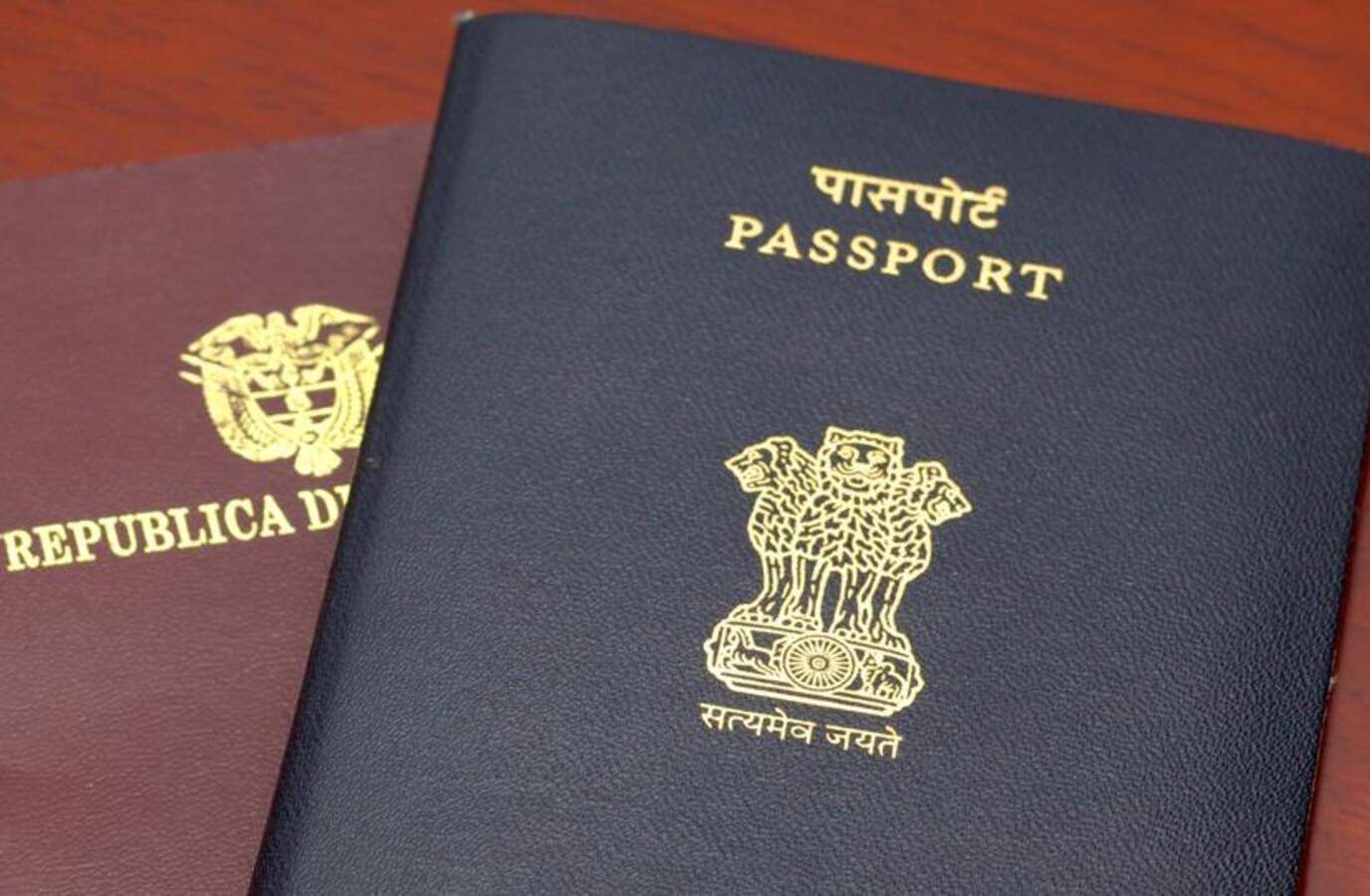
A passport can facilitate international travel, secure consular protection, and establish nationality, but it is not proof of citizenship, according to the Ministry of External Affairs (MEA). This clarification has reignited a long-standing debate on what document proves Indian citizenship.
The MEA's statement appears counter-intuitive as the Passports Act, 1967, assumes that a passport holder is an Indian citizen. However, the ministry draws a distinction between a passport being evidence of citizenship and conclusive proof.
The issue is not merely academic, as recent controversies over electoral roll revisions and citizenship verification exercises have highlighted the need for a universally accepted citizenship document.
Indian law does not possess a single, universally recognised citizenship certificate, unlike many countries. The government's position reflects this complexity, stating that citizenship may be acquired by birth, descent, registration, naturalisation, or incorporation of territory.
Proof of citizenship often depends on the route through which citizenship is claimed, and courts generally examine the totality of evidence rather than treating any single document as universally conclusive.
The external affairs ministry's clarification has raised questions about the burden of proof for citizenship and whether a modern democracy should rely on a patchwork of documents and presumptions to establish the most fundamental legal relationship between an individual and the state.