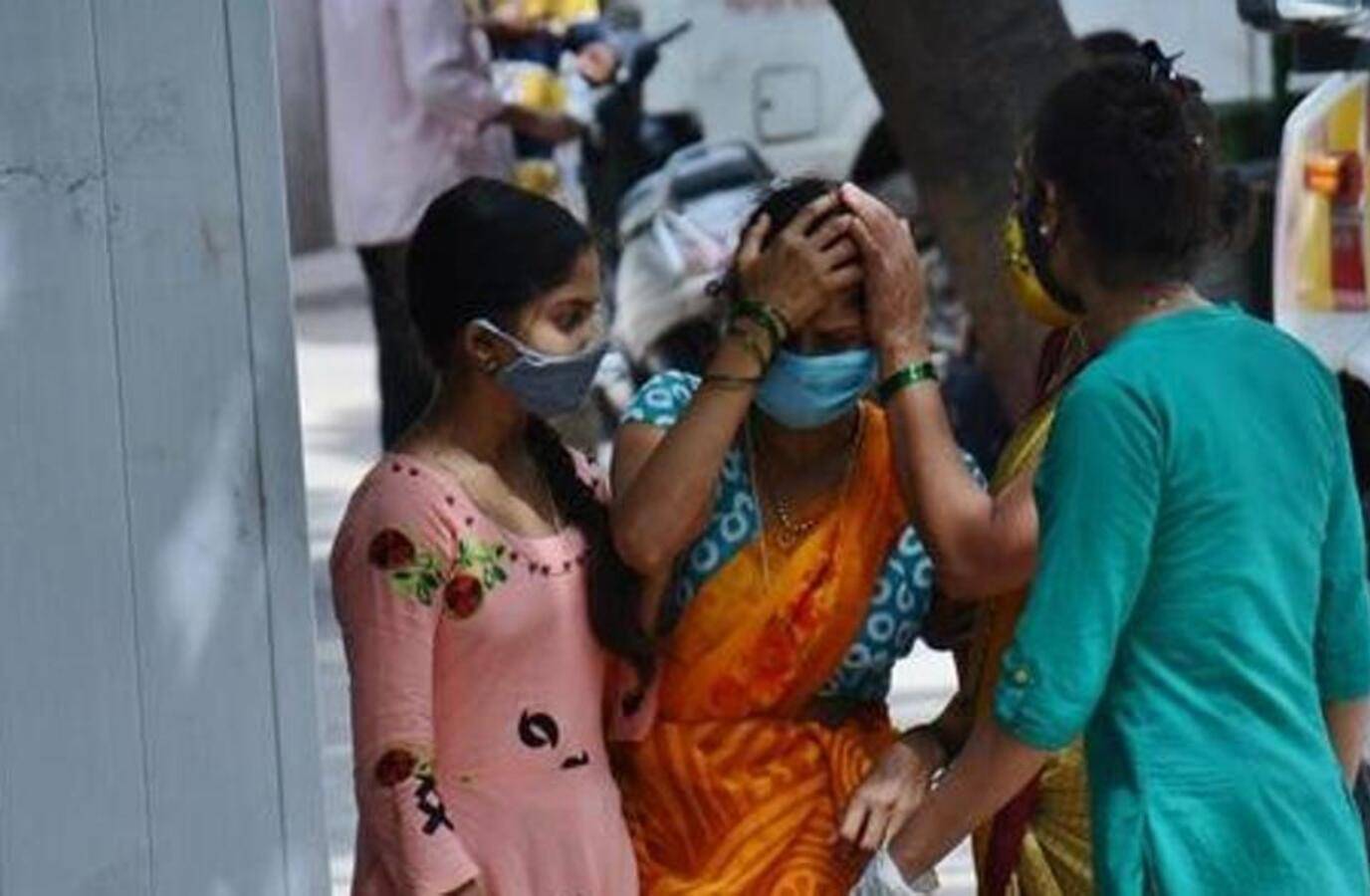
The COVID-19 pandemic pushed some Indian households into difficult coping strategies, forcing trade-offs between immediate survival and long-term stability, according to a new study.
Researchers from Lancaster University and the Indian Institute of Technology, Kanpur (IITK) found that circular or recent migrant workers and daily wage-dependent families were among the hardest hit, with limited alternative support systems available.
The study, which interviewed 86 families between December 2022 and March 2023, found that households made 'impossible choices', including skipping meals, delaying medical treatment, taking loans and withdrawing children from school to meet expenses.
Government support through the Public Distribution System (PDS) and local social networks played a crucial role in helping households cope with the crisis, particularly those with limited access to alternative income sources.
The research team conducted 343 interviews in Uttar Pradesh and Goa, highlighting the interdependence of rural and urban economies and the worsening inequalities triggered by COVID-19.
Women, who often enacted 'maternal buffering', were especially likely to absorb the impacts of food scarcity themselves by cutting down on their own meals to ensure children and men had 'enough'.
The study stresses the importance of public policies like the PDS in maintaining household resilience strategies, particularly in the face of existing structural inequalities and vulnerabilities.