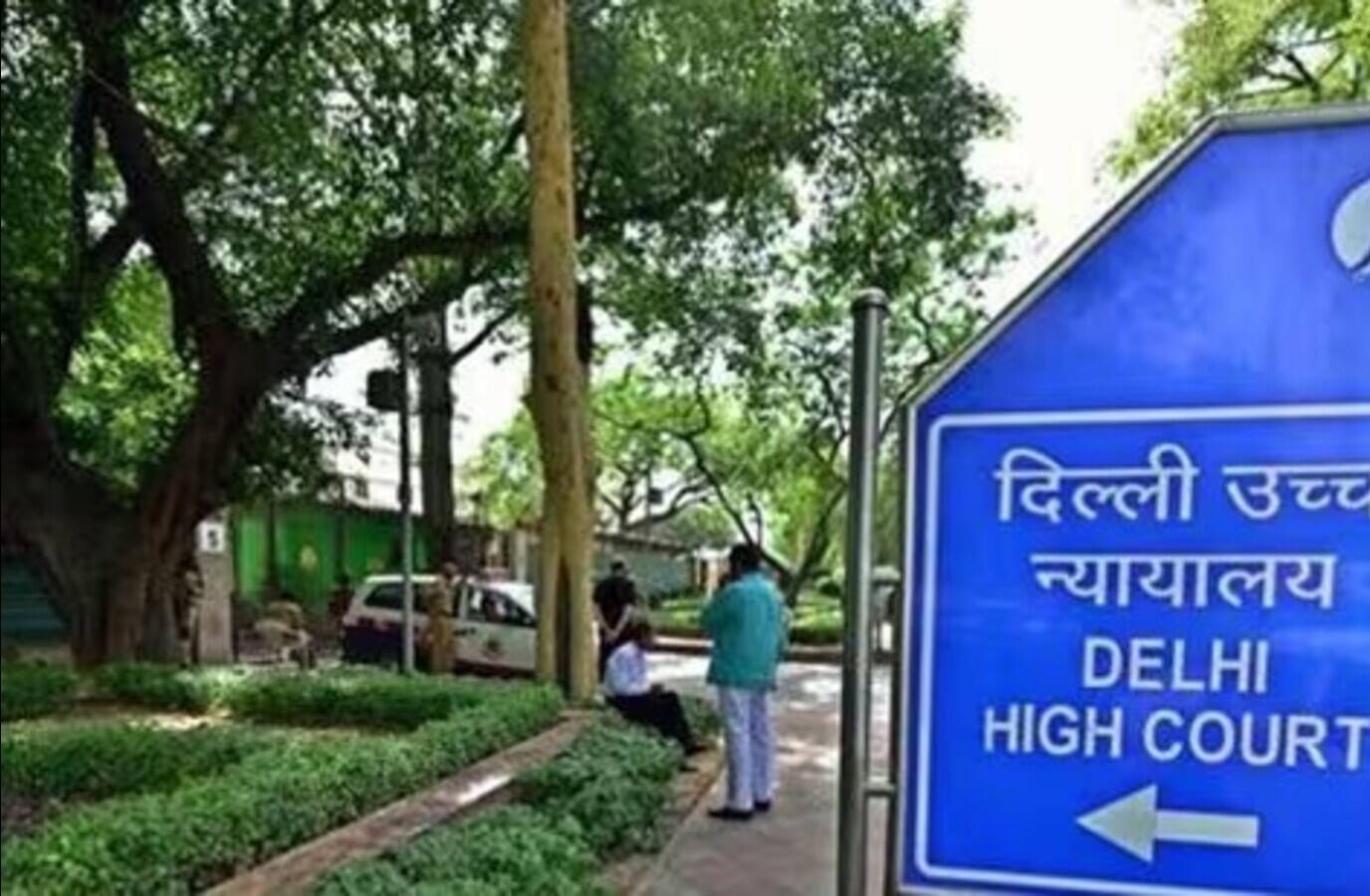
The Delhi High Court has upheld the government's decision to block instant messaging service Telegram for six days ahead of Sunday's National Eligibility cum Entrance Test-Undergraduate (NEET-UG) re-exam.
The court ruled that the government's order was not vitiated by non-application of mind and that blocking the platform satisfied the test of proportionality.
The court accepted the government's reading that Section 69A of the Information Technology Act empowers the government to block an entire platform, not just specific pieces of content.
The government had issued an interim order on June 16 under Section 69A, directing Telegram and its associated URLs to be blocked across India till June 22, and ordered the platform to disable its message-editing feature till June 30.
The court found that the platform architecture of Telegram is conducive to amplification and mass dissemination of content, enabling information to reach a substantial number of users within a short span of time.
The court also held that entity-specific takedowns had repeatedly failed because removed channels reconstituted themselves through backup channels, rotated handles and burner accounts.
The final order's reasoning drew on a June 16 post by Telegram chief executive Pavel Durov on X, in which he said the company had removed hundreds of channels sharing leaked exam materials.