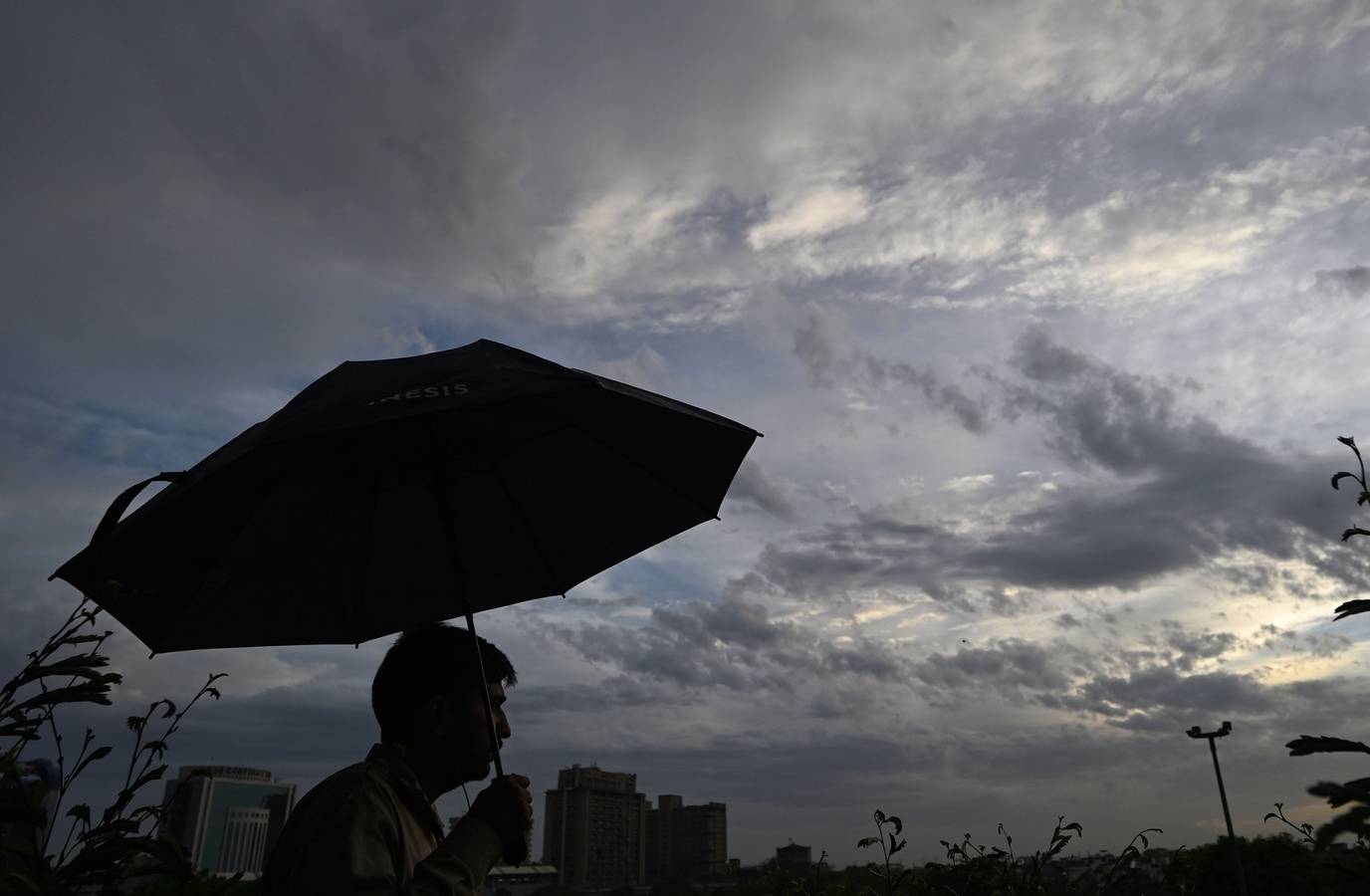
An El Niño event is expected to develop from mid-2026 and could be a strong one, the World Meteorological Organisation (WMO) said, as a separate study showed snow reserves across the Hindu Kush Himalaya have fallen to a record low for the fourth consecutive year.
The latest monthly Global Seasonal Climate Update from WMO signals a clear shift in the equatorial Pacific, with sea-surface temperatures rising rapidly and pointing to a likely return of El Niño as early as May–July 2026.
Forecasts also indicate a “nearly global dominance of above-normal land surface temperatures” during that period, with below-normal rainfall projected over India through July.
El Niño and La Niña are opposite phases of the El Niño–Southern Oscillation (ENSO), a natural climate cycle driven by changes in ocean surface temperatures in the central and eastern equatorial Pacific.
El Niño, the warmer phase, typically occurs every two to seven years, lasts around nine to 12 months, and is associated with drought over Australia, Indonesia and parts of southern Asia, and increased rainfall in parts of southern South America, the southern US, the Horn of Africa and central Asia.
In India, the El Nino saps the monsoon season of rains.
The WMO forecast aligns with India’s own outlook, with the India Meteorological Department predicting monsoon rainfall this year is likely to be 92% of the long-period average, with an error margin of ±5%.
A below-par monsoon casts a darker cloud over an economy already concerned about growth, farm output and inflation, all collateral damage of the war in West Asia.