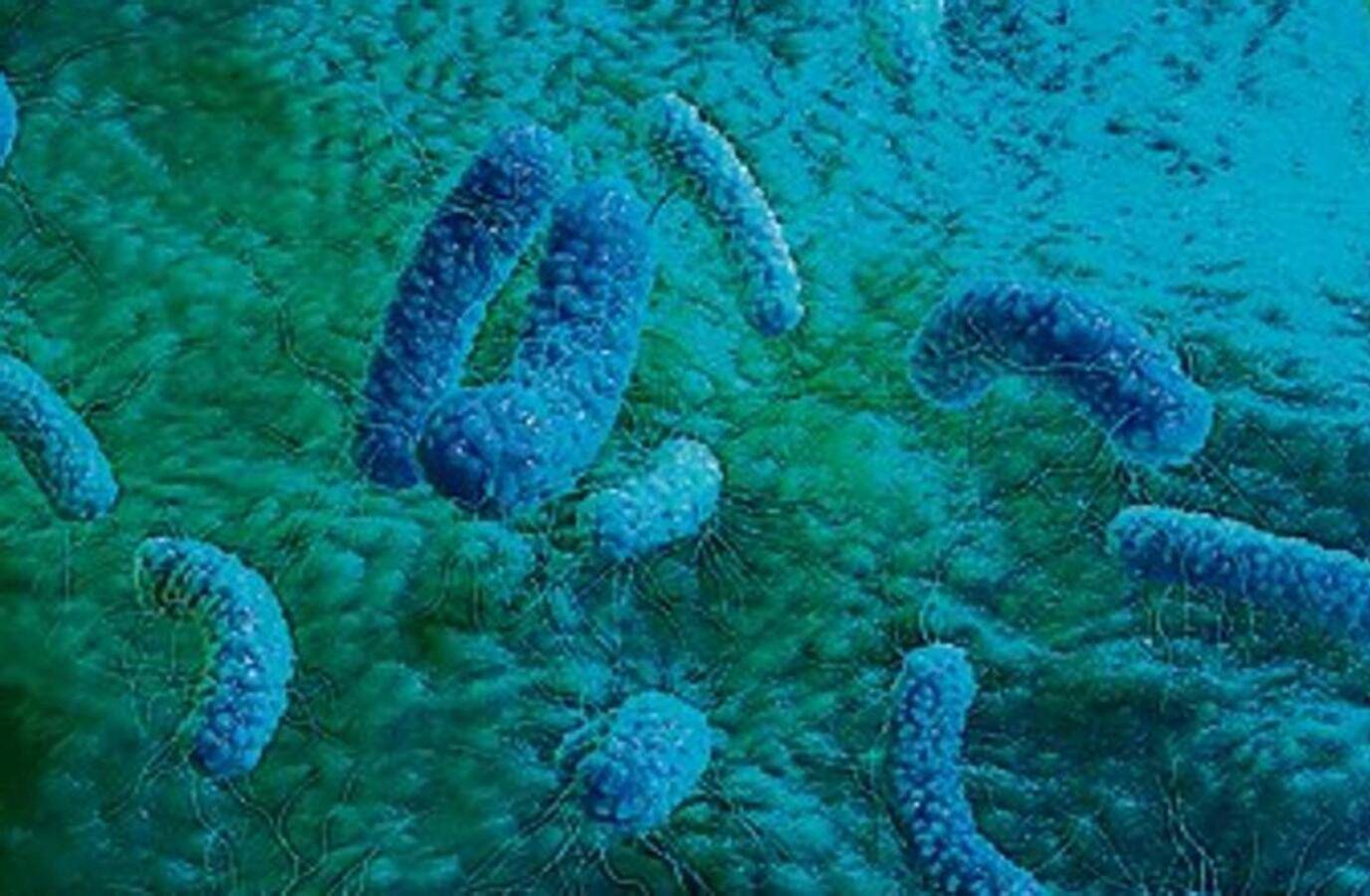
A recent study published in Nature has made a groundbreaking discovery linking a specific gut microbe to human memory decline. Researchers found that a single type of bacterium, Parabacteroides goldsteinii, can weaken memory in mice and reduce activity in the hippocampus, the brain region responsible for recording new experiences.
The study, which was conducted entirely in mice, traced each step of the process from the specific microbe to the molecular signal, immune response, and nerve pathway, all the way to measurable changes in the brain region where memories are formed.
The researchers discovered that as P. goldsteinii spreads, it produces chemicals known as medium-chain fatty acids, which trigger an immune response and inflammation in the intestinal lining. This inflammation weakens signaling along the vagus nerve, the long bundle of fibers that carries information from the gut to the brain.
The study suggests that the system behaves like a dimmer switch that can be turned up again, and that restoring the conversation between the brain and the tiny microbes in the gut might slow or reverse mental decline.
While the study was conducted in mice, the researchers are cautiously optimistic that the findings may apply to humans, given the existence of similar systems in humans and the potential for vagus nerve stimulation to treat depression and epilepsy.