
A below-normal monsoon forecast across parts of the Hindu Kush Himalaya (HKH) region is unlikely to reduce disaster risks, with scientists warning that short bursts of intense rainfall, extreme heat and growing water stress could impact people across large parts of the region.
The Hindu Kush Himalaya (HKH) Monsoon Outlook 2026, released on Thursday, projected lower-than-normal rainfall across several countries, including Bhutan, India, Nepal and Pakistan, alongside above-normal temperatures across much of the region.
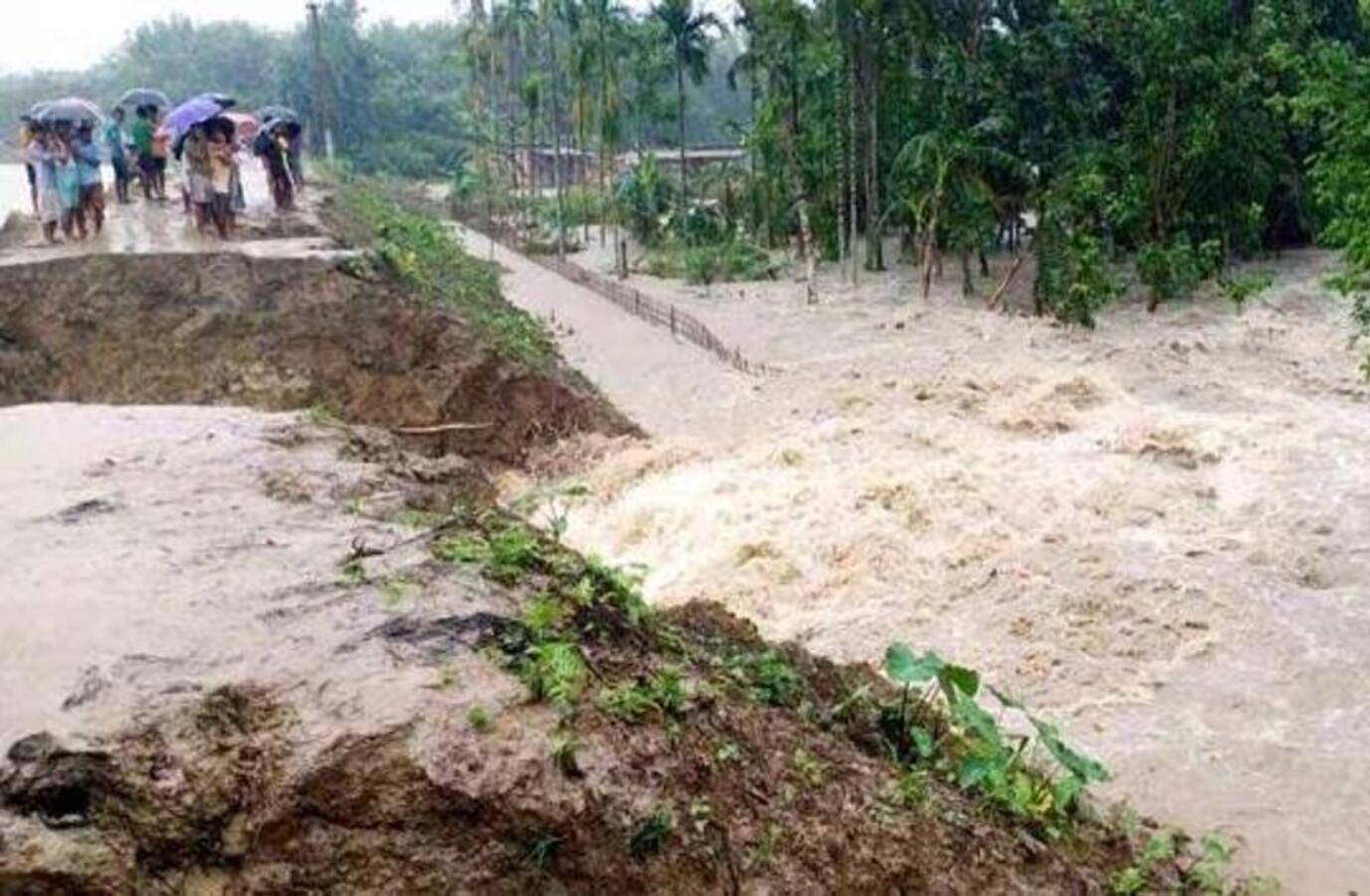
Experts cautioned that the risk of flash floods, landslides and other hazards remains high. "Even in a weaker monsoon, short periods of intense rainfall remain a major concern. Communities and authorities need to closely follow short-term forecasts and advisories," International Centre for Integrated Mountain Development (ICIMOD) hydrologist Manish Shrestha said.
The combination of erratic rainfall and rising temperatures is expected to increase both drought and flood risks during the same season. Long dry spells may be followed by sudden heavy downpours, creating conditions for flash floods and landslides, particularly in mountain areas, the analysis said.
Warmer conditions are also likely to intensify heat stress and reduce water availability. Lower snow persistence at the start of the season further weakens the region’s natural water buffer, making river systems and groundwater recharge more sensitive to rainfall variability.