India and Malaysia Forge Stronger Ties with 11 Pacts, Easing Cross-Border Remittances
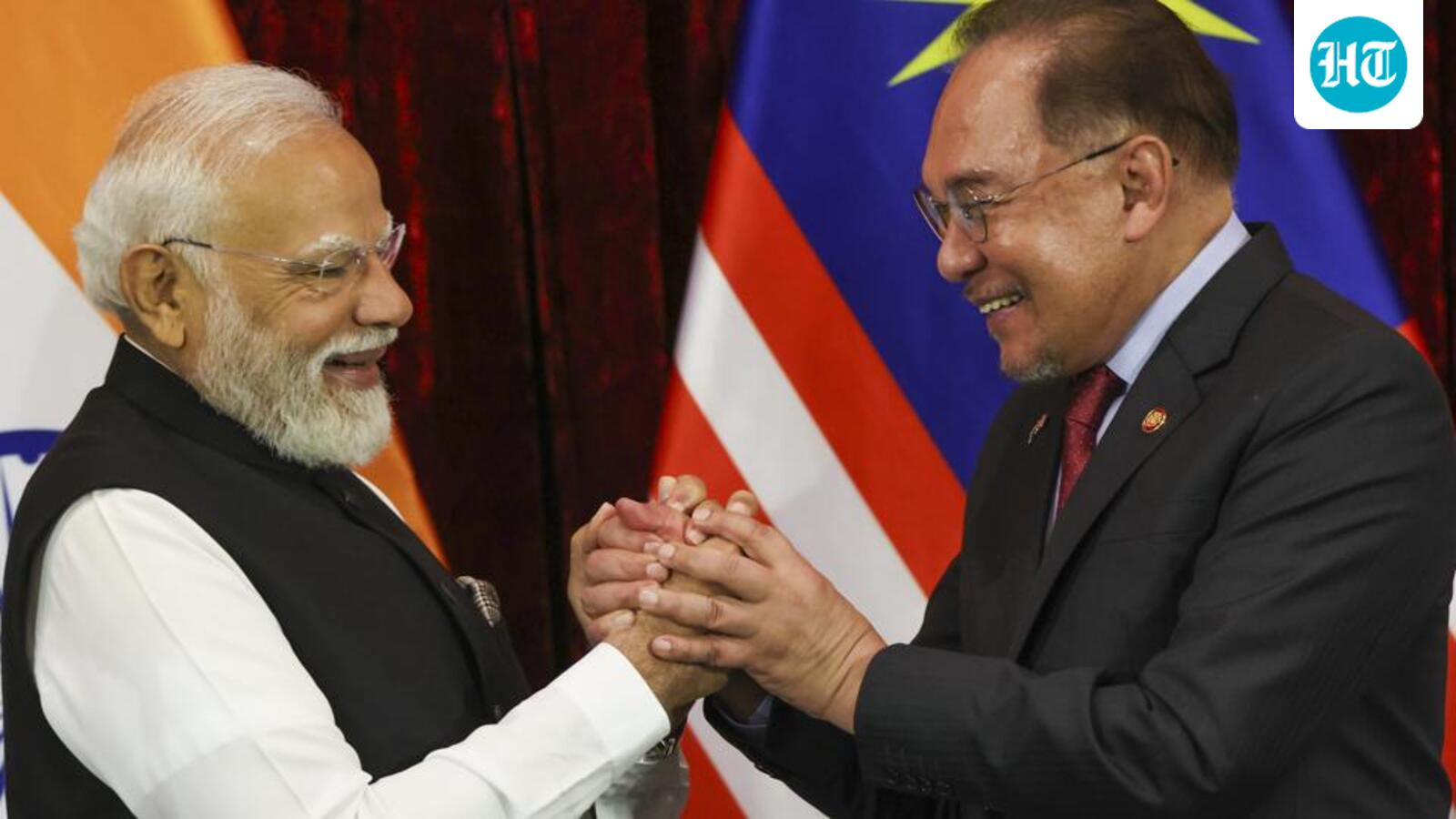
Image Source: Internet
{ "title": "India and Malaysia Forge Stronger Ties with 11 Pacts, Easing Cross-Border Remittances", "article": "India and Malaysia have strengthened their cooperation in key sectors, including defense, security, and trade, with Prime Minister Narendra Modi and Malaysian PM Anwar Ibrahim focusing on economic development and synergies between the two nations. Modi's two-day visit to Malaysia concluded with a series of agreements, including the interlinking of digital payment systems and trade settlement in local currencies. The two leaders discussed cooperation in priority sectors such as trade, infrastructure, security, and clean energy, as well as new areas like semiconductors and AI. They also agreed to advance discussions between the Reserve Bank of India and Bank Negara Malaysia on trade settlement in local currencies. Furthermore, India and Malaysia agreed to open the first Indian consulate in Kota Kinabalu, Sabah. Modi noted that increased cooperation in energy, infrastructure, and manufacturing will drive economic transformation between the two nations. He also emphasized the importance of strengthening cooperation in counter-terrorism, intelligence-sharing, and maritime security. Anwar called for increasing two-way trade from $19 billion by leveraging India's economic growth. The two leaders also discussed the review of the Asean-India Trade in Goods Agreement (AITIGA), aiming to achieve overall liberalization of 80% of tariff lines. In addition to the agreement between India's NPCI International Payments Limited and Malaysia's PayNet on cross-border digital payments, the two sides finalized 10 other agreements, including cooperation in semiconductors, disaster management, and combating corruption. The linkage between UPI and PayNet will enable tourists and workers to send remittances more easily, with safeguards in place to prevent excessive transfers. India and Malaysia are part of a broader multi-point connectivity project for digital payments, Project Nexus, which includes Singapore and other countries in the region. The review of AITIGA is expected to be completed in the coming months, with the goal of liberalizing at least 70% of tariff lines for every Asean member country. Least developed countries will be offered concessions, and the rules of origin will be improved to address concerns about Chinese goods routed through Asean states. The two leaders also discussed regional and global issues, including the Indo-Pacific situation, the Russia-Ukraine conflict, and the situation in Gaza. They strongly condemned all forms of terrorism and agreed to counter radicalization, combat terror financing, and prevent the use of new technologies for terrorist purposes through cooperation in information and knowledge sharing."