
Metro systems in India serve less than 5% of Delhi's population and under 3% of residents in Bengaluru and Hyderabad despite a massive investment of ₹4.5 lakh crore in 1,095-km of rail networks across 26 cities, according to a recent study.
The study, led by Indian School of Public Policy professor OP Agarwal, found that the implementation of the 2006 National Urban Transport Policy became heavily skewed towards metro rail projects while neglecting bus services and non-motorised transport.
The review called for the Union government to constitute an expert committee to prepare a National Urban Transport Policy 2026, saying the existing framework no longer adequately addresses contemporary urban mobility challenges.
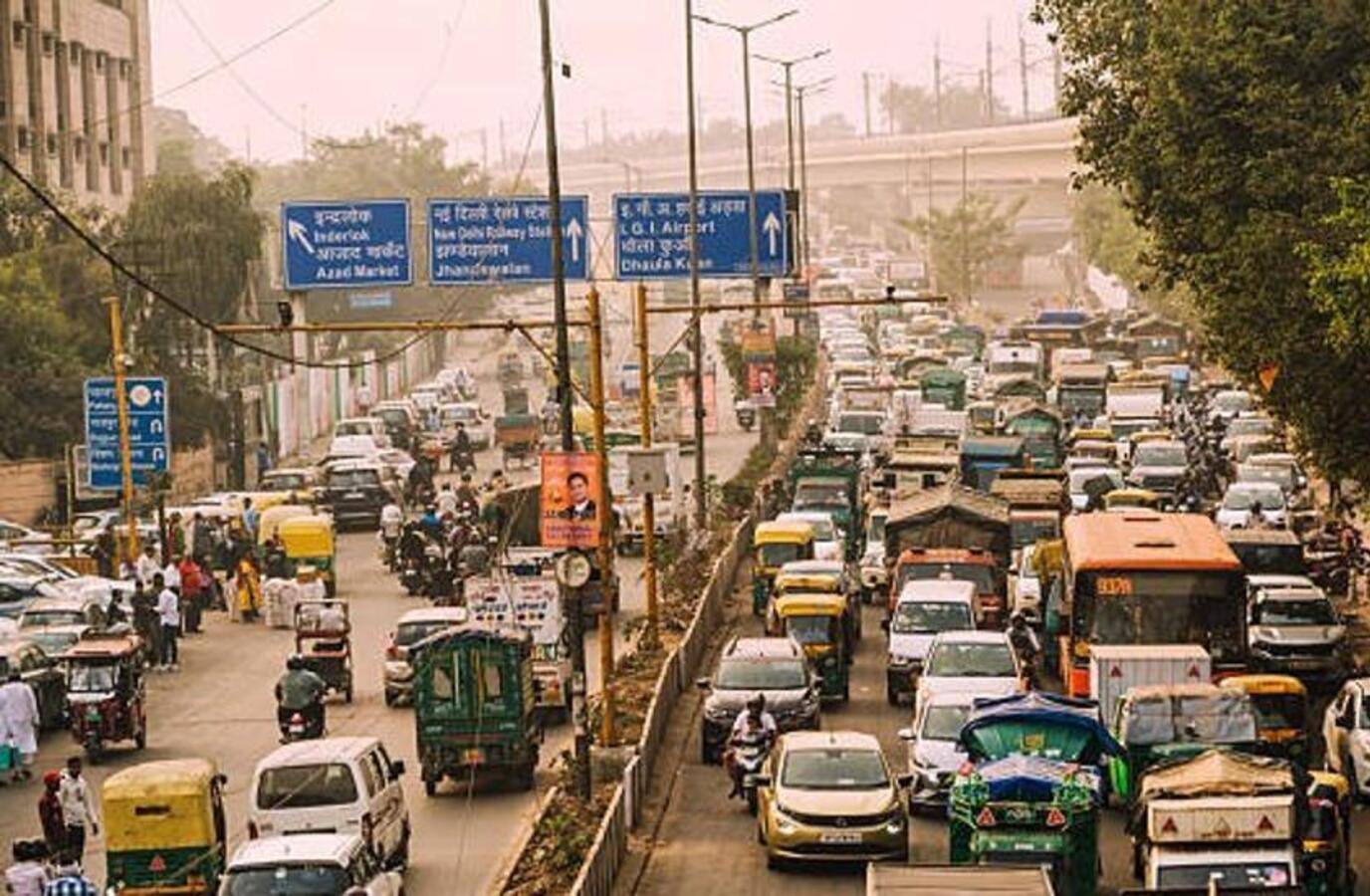
Experts argue that the widening gap between investment and ridership is due to the neglect of bus systems and the rapid motorisation of smaller cities, leading to an increase in registered vehicles from 90 million in 2006 to 413 million at present.
They recommend a shift from personal vehicles to public transport, greater use of data and technology in transport planning, and a sharper focus on accelerating electric vehicle adoption.
The study also suggests integrating transport planning with affordable rental housing for low-income workers and creating an integrated urban mobility ecosystem with new financing mechanisms for public transport.