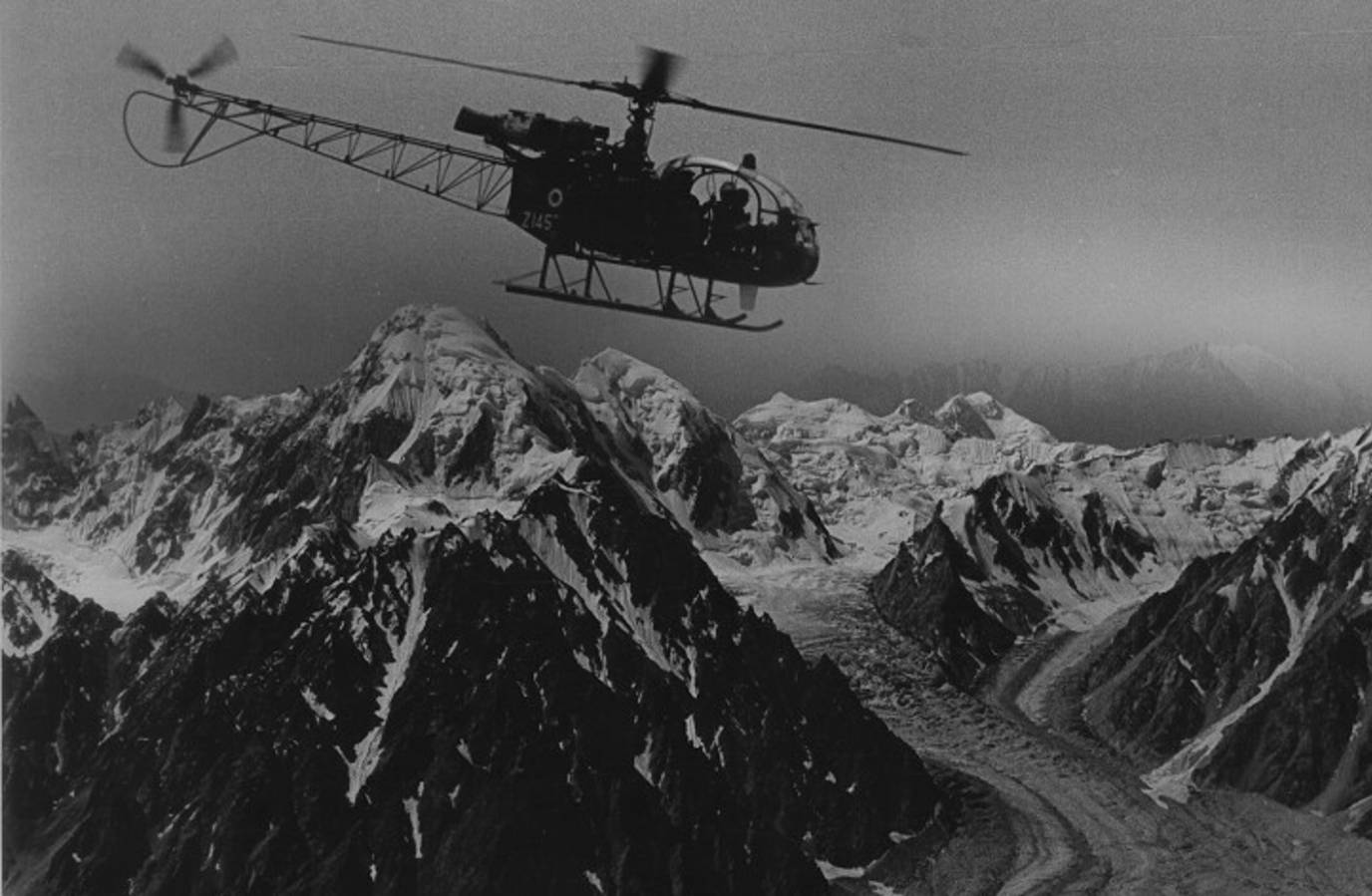
The Indian Army's Cheetal helicopters have been flying daily sorties over Ladakh's high passes and the Siachen glacier despite a suspected transmission failure that may have brought one down near Leh's Tangtse on May 20.
Two pilots and a Major General survived with minor injuries.
The crash and the decision to keep the rest of the fleet airborne through the inquiry appears to be an extension of a dilemma that has shadowed the forces for decades.
India's Cheetah, Chetak and Cheetal helicopters – ageing and due to be replaced for decades, remain the mainstay of forces' observation and transportation needs in some of the high-altitude areas they serve.
The Army's far heavier Advanced Light Helicopter (ALH) Dhruv cannot be used for front-line duty in the Ladakh mountains, leaving the lighter Cheetals (maximum takeoff weight 1,950 kg) — prized for their power-to-weight ratio — as the default choice for the Leh-based HQ 14 Corps, which alone operates around 25 of them.
The Chetak (2,200kg) is a licence-built version of the French Aérospatiale SA 316B Alouette III. And the Cheetah was derived from Aérospatiale SA 315B Lama.
The Indian Army will begin phasing out the Cheetah and Chetak fleet within a year or two, replacing them over the next eight to 10 years with Light Utility Helicopters as part of its modernisation drive.