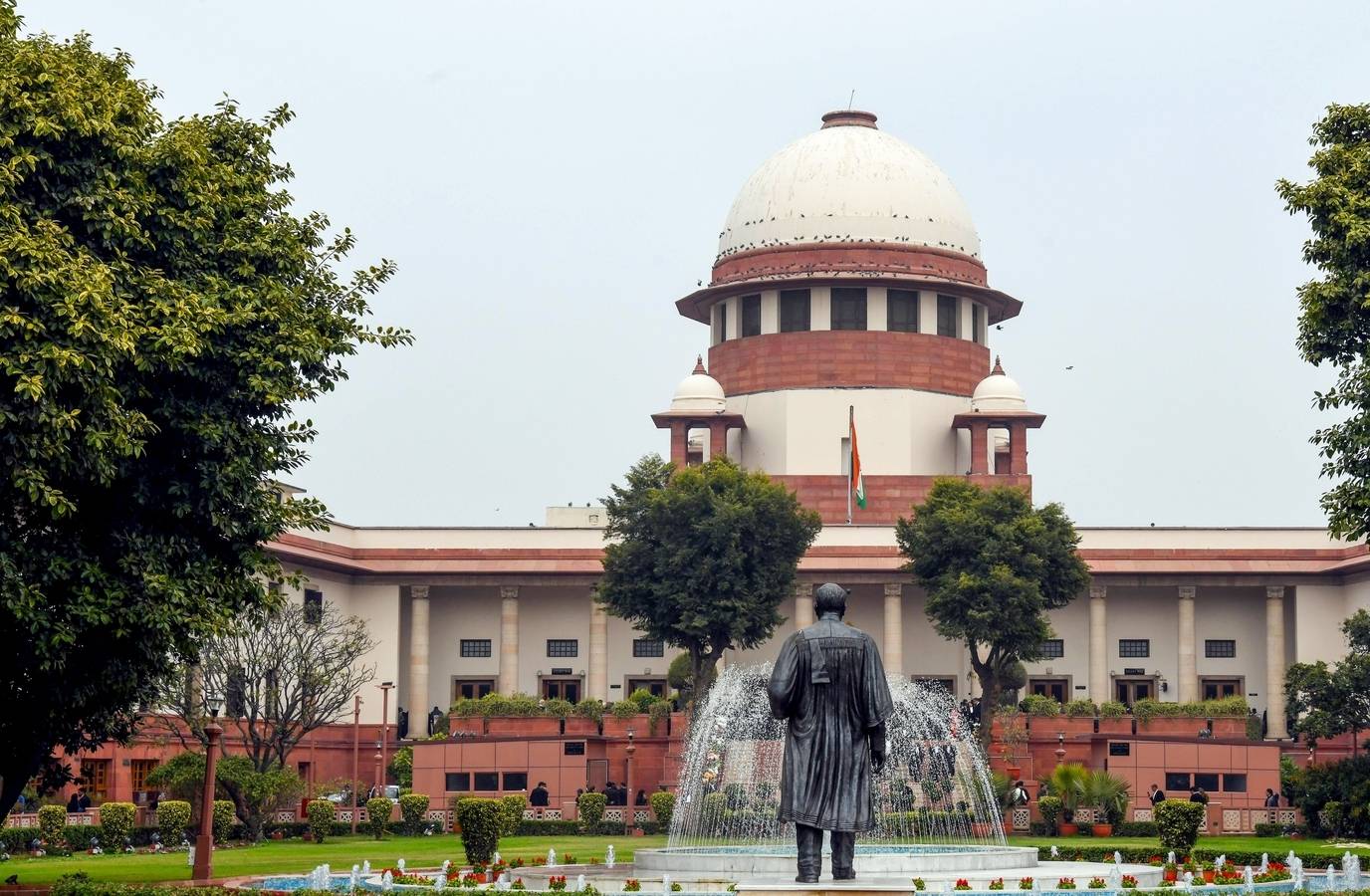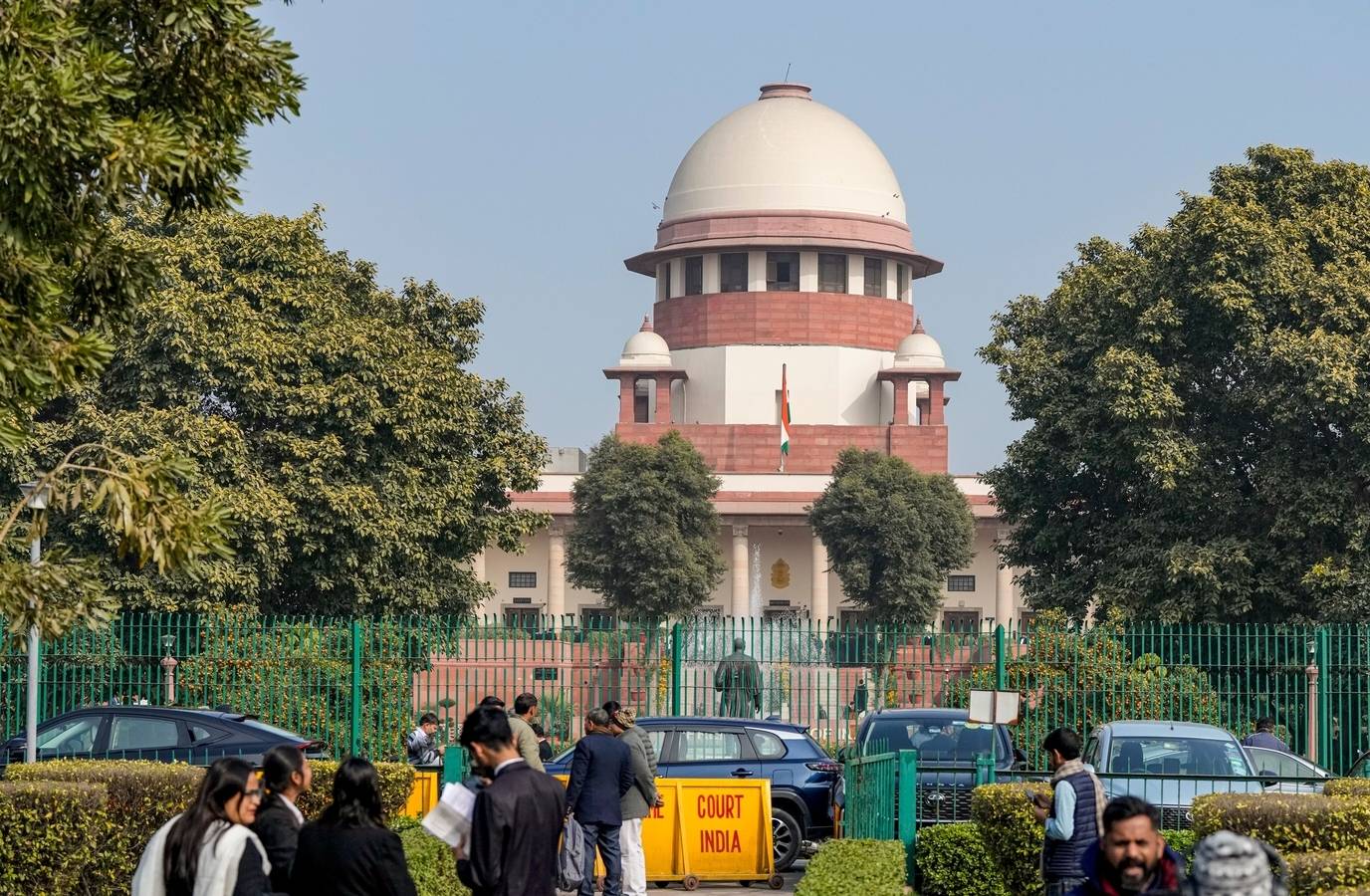
The Supreme Court of India has observed that the legislature should not be completely 'denuded' from granting environmental clearances (EC) to development projects long after they have commenced work, particularly when such a decision leads to serving a higher public good.
Examining a challenge to two Central government orders of 2017 and 2021 providing for ex-post facto EC, a bench headed by Chief Justice of India Surya Kant noted that while India contributes less than 10% to global warming, the burden of protecting the environment is much more on courts.
The court made the observations while hearing a batch of petitions led by non-profit organisation Vanashakti and others, which held that while the legislature can grant exemptions for projects from the mandatory requirement of prior EC, the 2017 and 2021 notifications fall foul for giving a 'blanket' exemption to all mining and development projects that commenced work without the green nod.
The bench said that if the post-facto clearance is for a hospital or public utility, it leads to a higher public interest of serving the health of citizens. In such a scenario, the legislature is not denuded from issuing a notification.
The court also compared India's position vis-a-vis other countries on carbon emissions, saying that 'there is total indifference by other countries having carbon footprints which are incomparable to India.' It further added that the contribution of India to global warming is not even 10%.
The comments from the court are significant as the matter has travelled to this court after two benches in the past took diametrically opposite views on the two notifications.