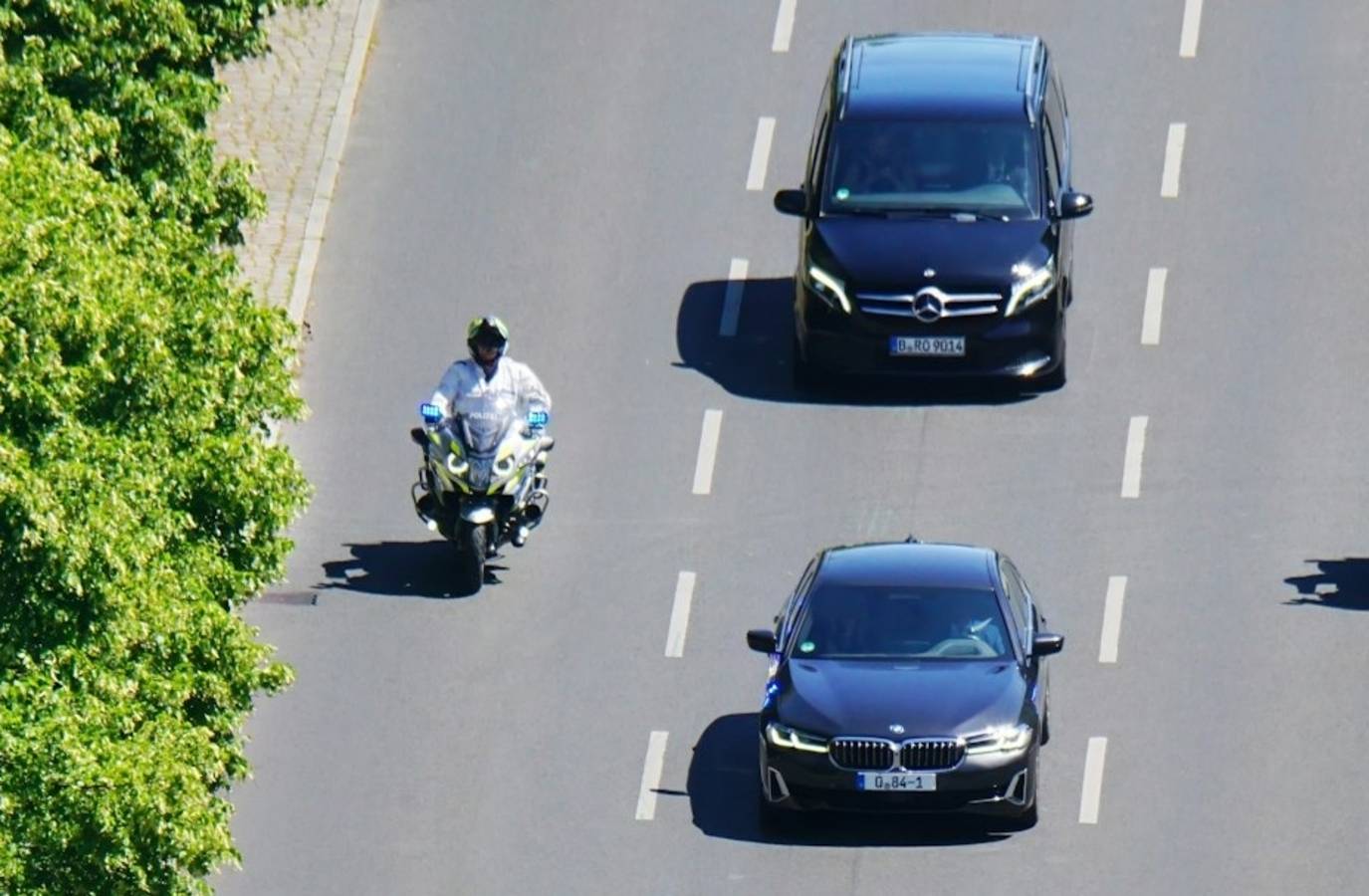
The President of India's motorcade passing through Shimla in the early 1990s caused great inconvenience to the public, prompting President R. Venkatraman to change his behavior. However, today's VVIP movements continue to disrupt the lives of ordinary citizens, with traffic coming to a standstill, flights being missed, and tempers fraying.
The issue is not security, but rather the manner in which it is implemented, reflecting feudal privilege rather than democratic sensitivity. India has inherited colonial habits, including the belief that the movement of the powerful must take precedence over the convenience of the public.
The consequences of this approach are not merely inconvenient; they can be tragic, with ambulances being trapped behind security barricades and patients suffering grievously. The economic cost is also substantial, with thousands of vehicles standing idle and consuming fuel without purpose.
Authorities often fail to provide information, and their instructions are simple: stop traffic until the convoy passes. The citizen becomes an inconvenience in the very system that is meant to serve him.
Alternatives exist, including real-time traffic management, security routes planned with greater sophistication, and helicopter transport. A system that cannot distinguish between an ordinary car and an ambulance carrying a patient fighting for life has lost sight of its purpose.
The true test of governance is not how efficiently it moves the powerful, but how respectfully it treats the ordinary citizen. Until that principle informs our ruling class, the road ahead will remain blocked—not merely by motorcades, but by an outdated conception of power itself.