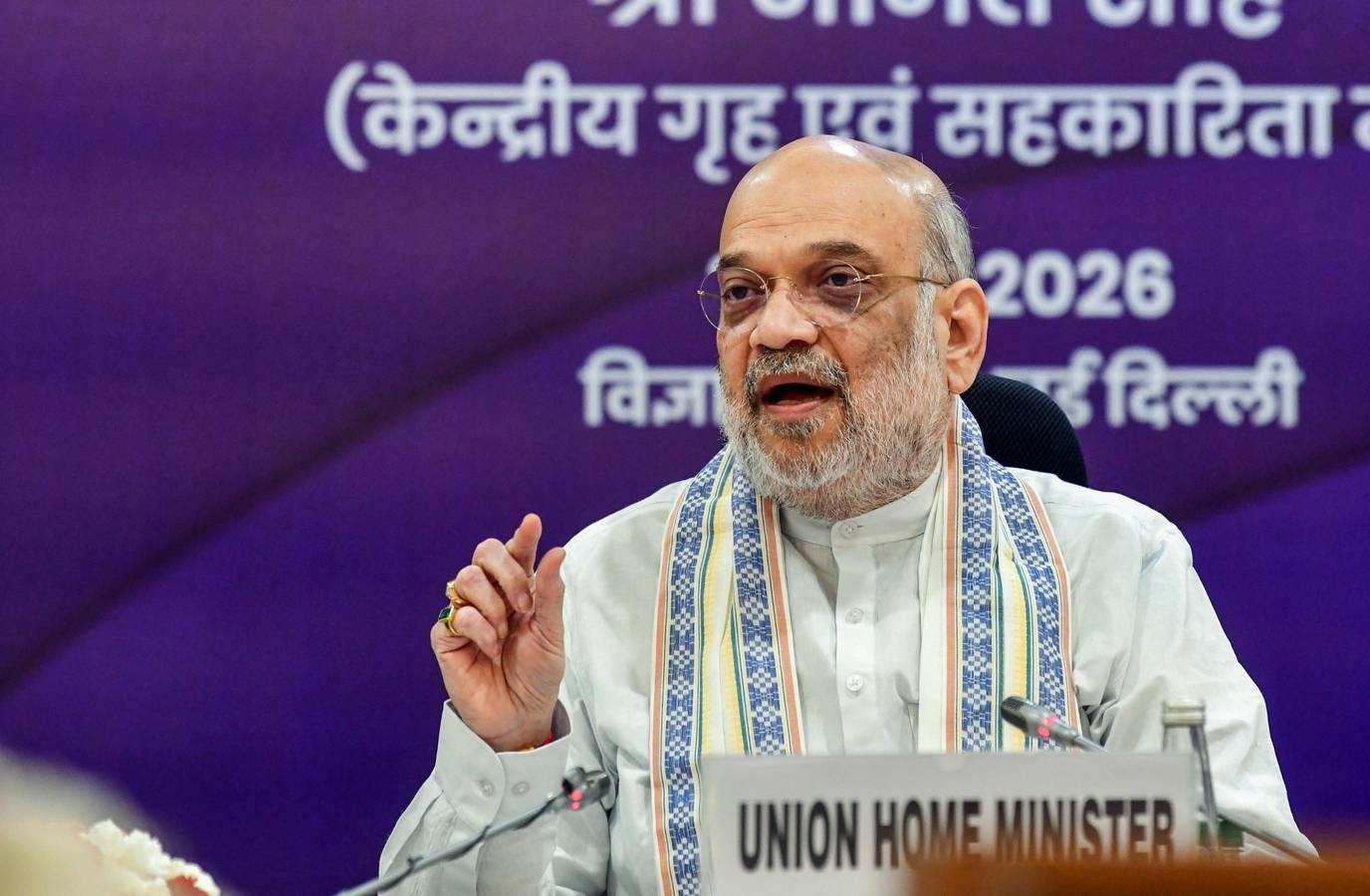
Union Home Minister Amit Shah has unveiled a three-year national roadmap to dismantle drug trafficking networks in India. The plan, involving over 40 ministries and departments, aims to target the entire narcotics ecosystem through coordinated enforcement, intelligence, prevention, and rehabilitation.
The Centre has set a target of making India drug-free by 2047 and has set a crucial three-year period to achieve this goal. The roadmap is built around four pillars: enforcement, intelligence, and operations; precursor and synthetic drug control; demand reduction and rehabilitation; and capacity building and coordination.
The plan focuses on curbing synthetic drugs, reviewing the list of chemicals and substances used in illegal drug manufacturing, strengthening border surveillance, tightening checks on diversion of pharmaceutical drugs, expanding de-addiction and rehabilitation services, and involving more than 40 ministries, state governments, educational institutions, and civil society in a nationwide anti-drug campaign.
The Centre's strategy shifts the focus from arresting individual couriers to dismantling entire trafficking networks. It aims to take down 100 major interstate and transnational drug cartels by following financial trails and attaching illicit assets.
Shah also asked every state to establish a dedicated unit in the office of the director general of police to coordinate with the Centre in tracing and bringing back fugitives operating drug cartels from abroad.