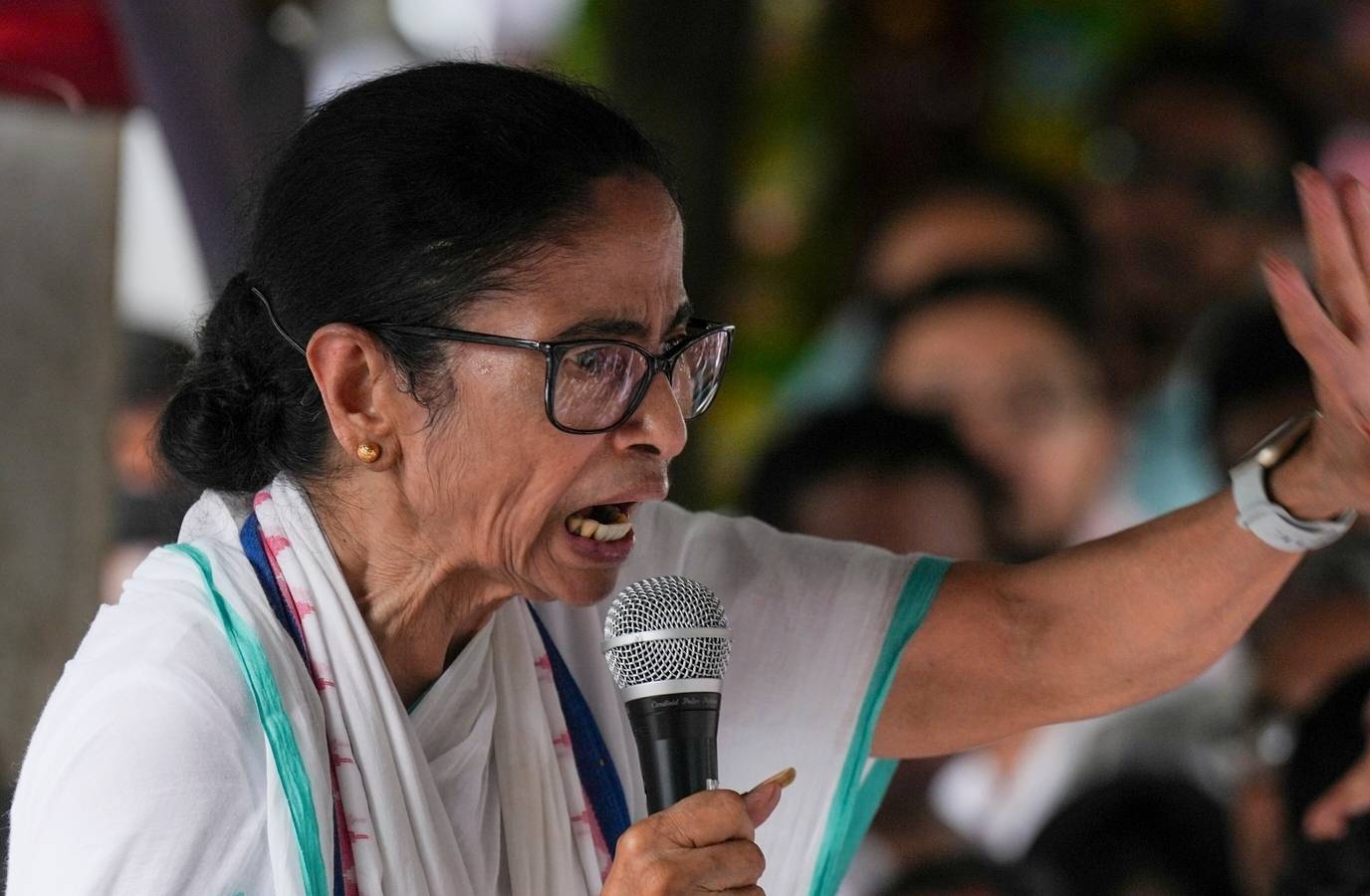
A month after losing power in West Bengal, Mamata Banerjee's Trinamool Congress (TMC) is facing its gravest crisis in 28 years. The party is confronting a question that would have sounded inconceivable just a month ago: can a party built around Mamata Banerjee survive when her authority over it is no longer absolute?
The crisis began as a rebellion inside the assembly, but has evolved into a struggle over legislators, succession, and control over the party's symbol. For the first time in its history, the TMC's internal order is being challenged, and the party's leadership monopoly over loyalty is at stake.
The rebels continue to acknowledge Mamata Banerjee's leadership while rejecting the authority of her nephew and political heir apparent, Abhishek. While the immediate battle is being fought in the assembly and organisation, many TMC leaders privately admit their bigger worry is how to prevent the turmoil from eventually spilling over into Parliament.
The concern stems not from any formal rebellion among MPs but from fears that a successful legislative revolt could embolden similar attempts elsewhere. The BJP may try to exploit the situation and create a similar split in the TMC's Lok Sabha and Rajya Sabha parties.
Containing the rebellion has become as important as rebuilding the organisation for the TMC. The party remains one of the largest opposition parties in Parliament, with 28 Lok Sabha MPs and 13 Rajya Sabha members. Any substantial erosion would weaken not only Mamata Banerjee's national standing but also the opposition bloc's collective strength.
The crisis has invited comparisons with Maharashtra, where the Shiv Sena and NCP faced similar challenges. However, there is one important difference: Mamata Banerjee remains politically active and retains emotional resonance among large sections of Bengal's electorate.
The rebels have already claimed they represent the "real TMC". If the rival faction approaches the Election Commission, the battle could shift from the Assembly floor to legal corridors. The EC could award the grass-flower symbol to one faction, freeze it, or direct both groups to contest under new symbols.
The flower-grass symbol is not merely an election symbol; it is the visual identity of the movement that ended the Left Front's 34-year rule. For millions of voters, the symbol and Mamata Banerjee are virtually inseparable.
Few parties in contemporary India benefited more from political migration than the TMC. MLAs from the Congress, Left, and BJP crossed over in waves during its years in power, helping it expand while weakening rivals.
The crisis is reviving a possibility that would have sounded absurd until recently: a strategic rapprochement with the Congress. Banerjee built her political career by rebelling against the Congress and later sought to replace it as the principal pole of opposition politics.