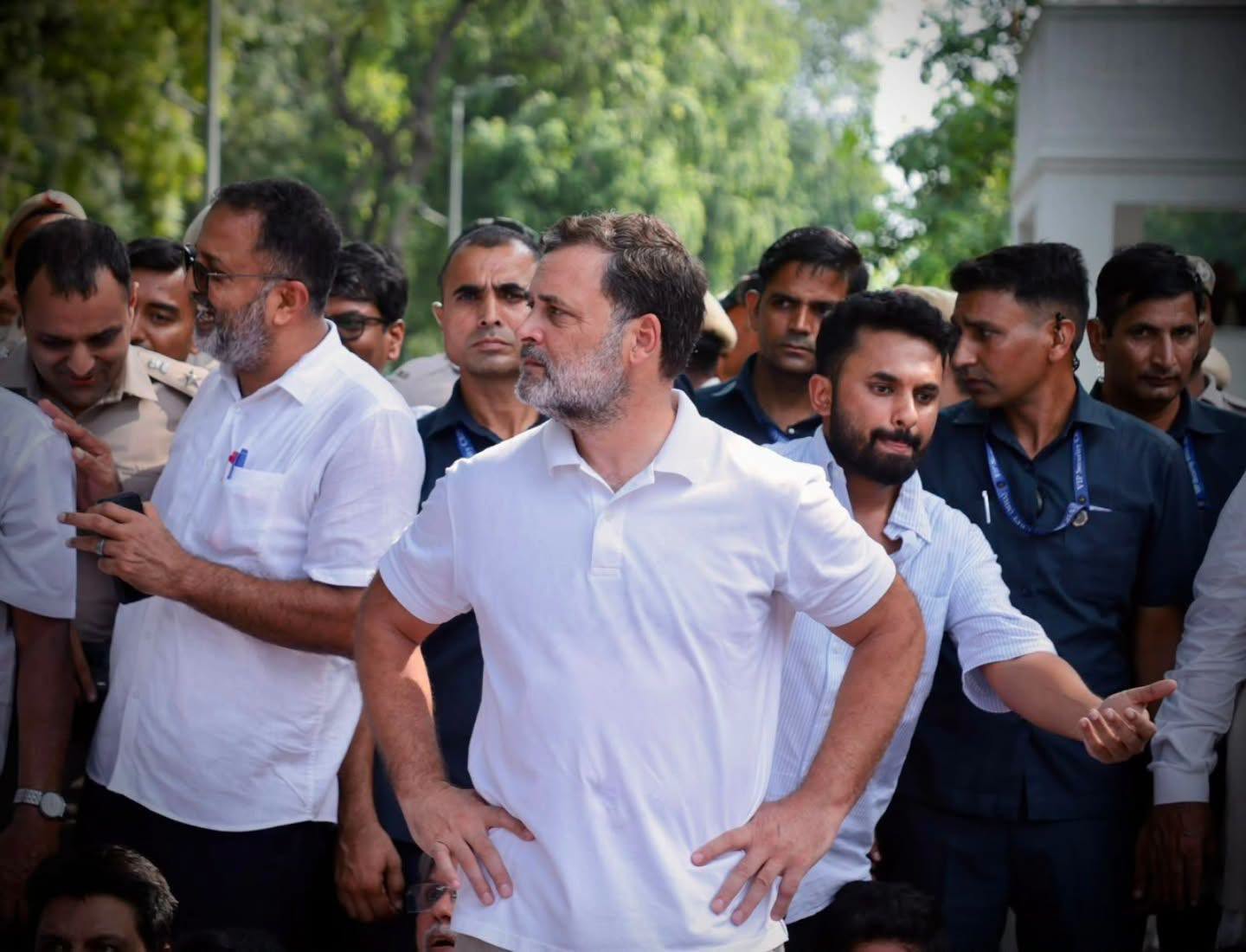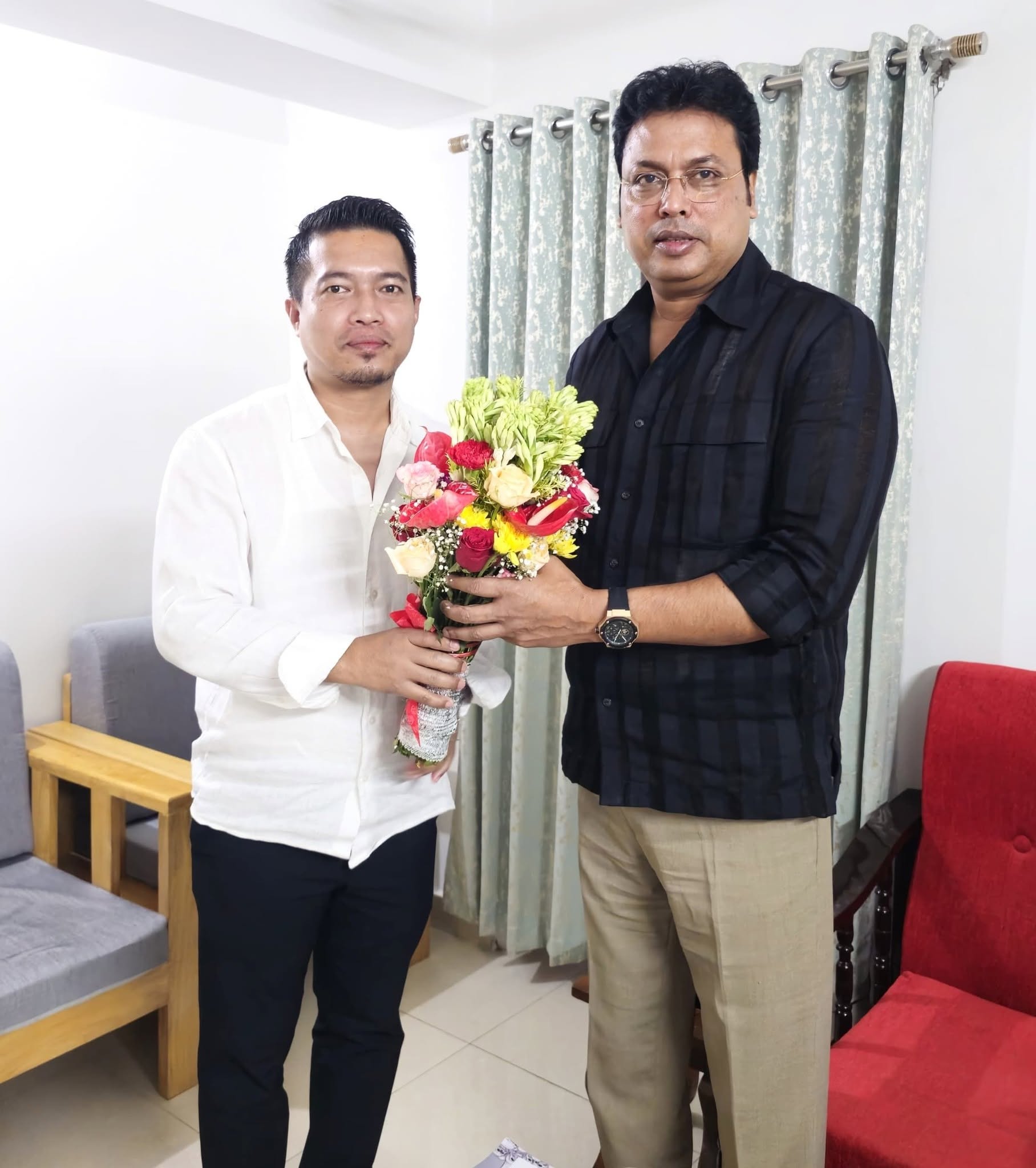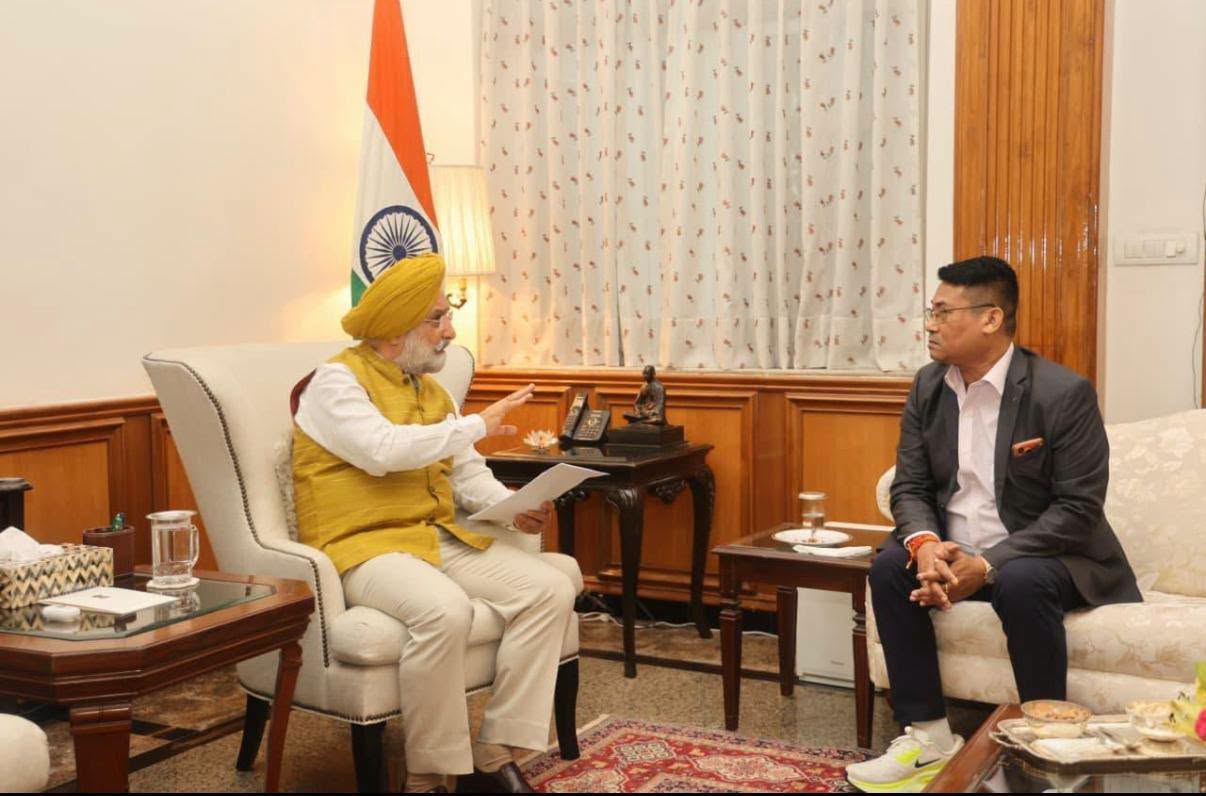
Khemu Singh, 76, was 17 when he picked up a weapon in 1967. Sonam Gyentsen Wangdi's father, Inspector Sonam Wangdi, was killed by peasants in Naxalbari that same year. Jharen Roy grew up hearing stories of how his family's grain stores were looted and how they were driven from their village.
Today, the town of Naxalbari in West Bengal, where the left-wing extremism movement originated, has moved on from the past. A cafe nearby is open late into the night, serving young patrons who may not know that Naxalism derives its name from Naxalbari.
The rebellion that began in Naxalbari in 1967 spread across state borders, inspiring generations of armed revolutionaries and roiling 106 districts at its peak. Khemu Singh, a former insurgent, remembers a time when peasants, angered by exploitative zamindars, believed revolution was within reach.
Many villagers still recount stories of Singh traveling to China for arms training in the 1970s, a piece of local folklore he dismisses as urban legend. Singh claims it was Kanu Sanyal and others who traveled to China twice and even met Mao Zedong, while he spent years underground and in prison before returning home in the early 1980s.
Jharen Roy, 64, inherited memories of fear. His grandfather, Kundun Roy, was among the first zamindars targeted during the uprising. Their home was attacked, grain stores looted twice, and family members assaulted.
Sonam Gyentsen Wangdi's father, Inspector Sonam Wangdi, was killed by peasants in Naxalbari in 1967. Wangdi, a senior bureaucrat, never met his father but has always been personal about the rebellion.
The movement's origins and human cost remain etched in the lives of the three men, who have never met but each inherited the rebellion in a different way. Looking back, Singh believes the movement lost its way, while Roy arrives at a similar conclusion from the opposite side of the conflict.
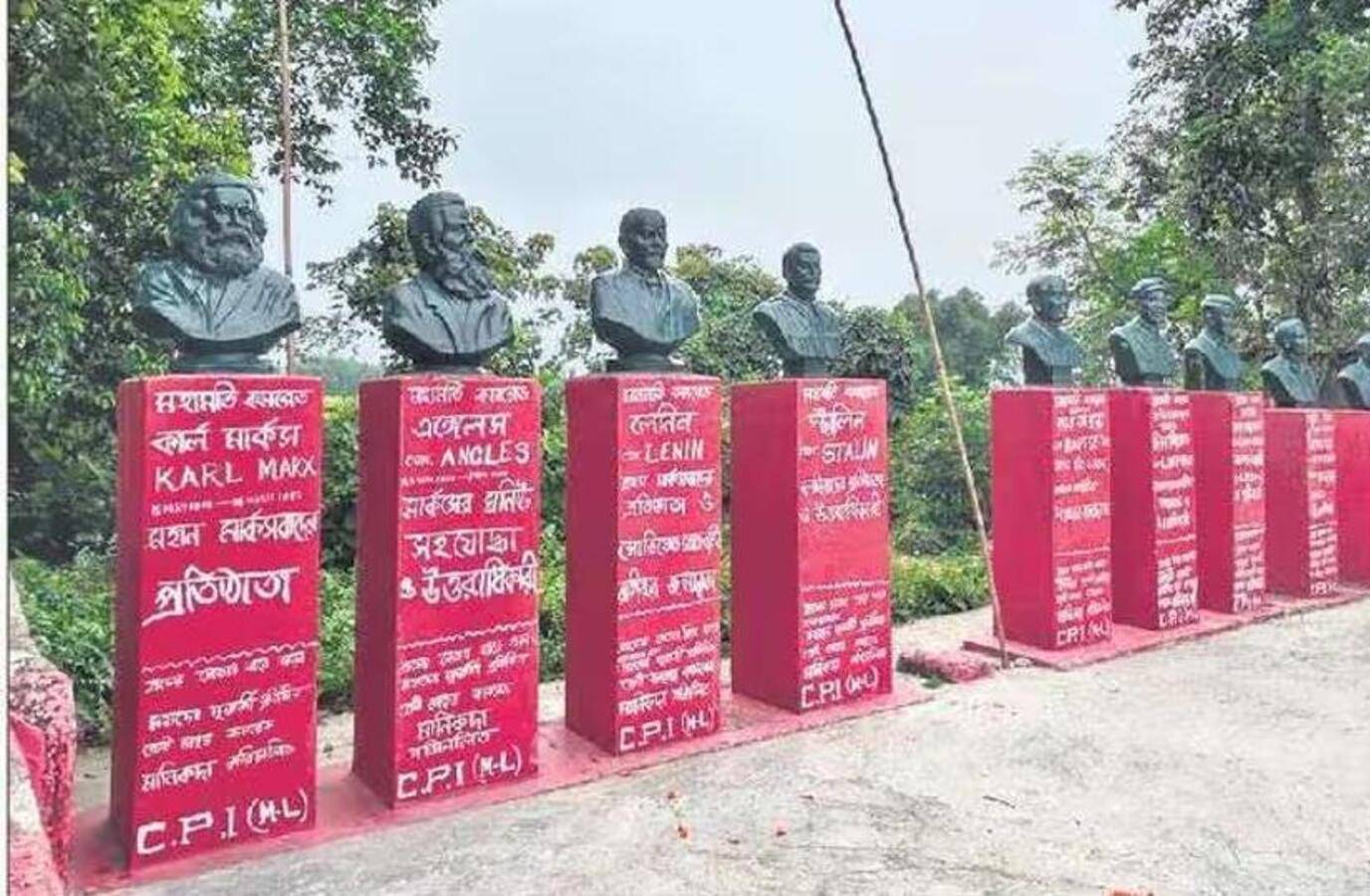
India is now Naxal-free, and in Naxalbari, the cluster of red sandstone statues of the Left icons stands by the roadside, the only few visible reminders of a history etched in blood.