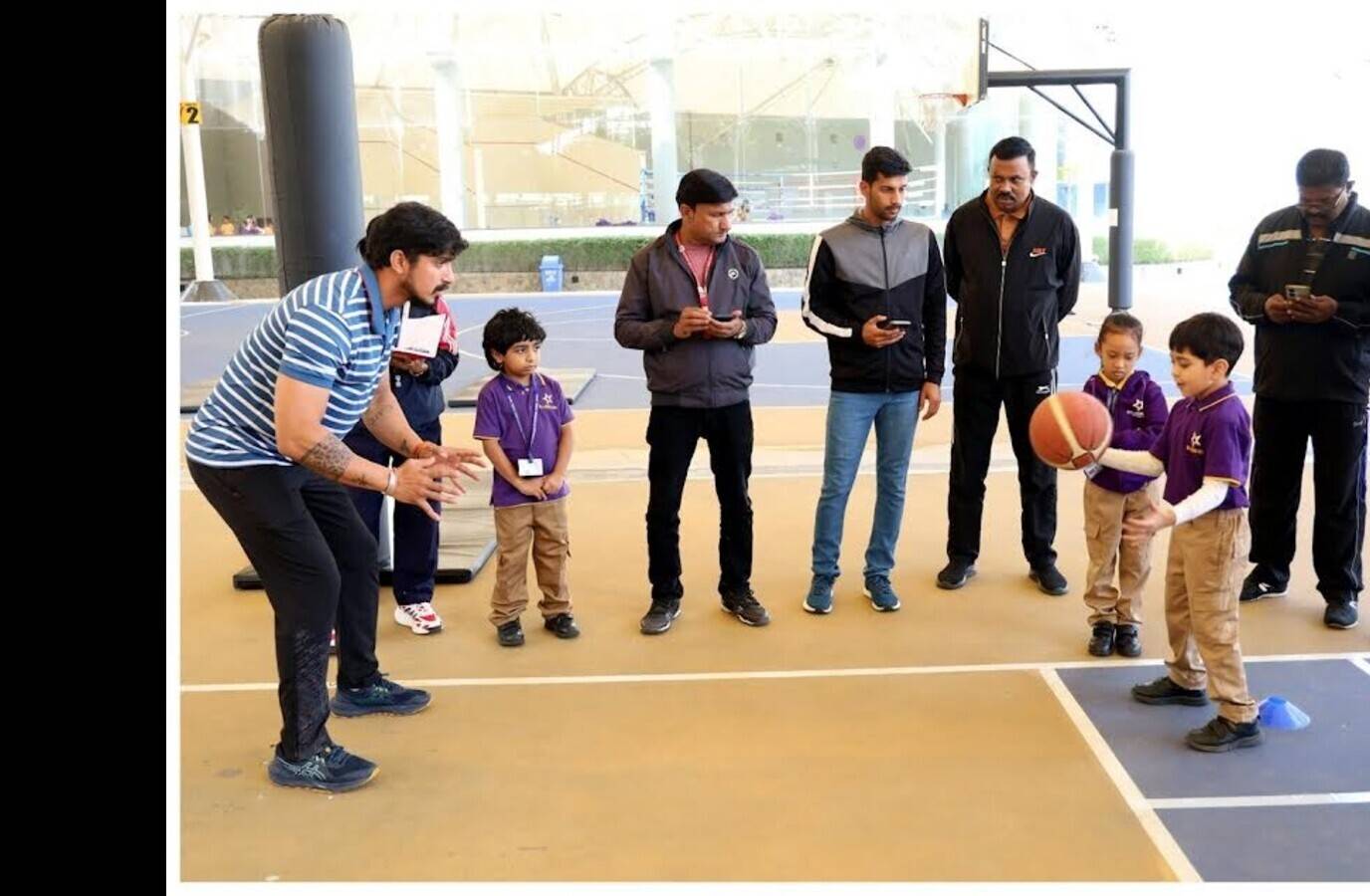
More than 93% of students enrolled under the Council for the Indian School Certificate Examinations' (CISCE) 'Active CISCE' programme have completed their physical health and fitness assessments.
The programme, launched on July 15 last year, covered over 3.12 million students from over 3,274 CISCE-affiliated schools.
Assessments of the remaining students are underway, with the board positioning the initiative as a key step towards integrating physical well-being into school education in line with the National Education Policy (NEP) 2020.
The initiative evaluates age-appropriate physical parameters, with a focus on developing fundamental movement, object control, and body management skills for students in Classes 1 to 3.
For students in Classes 4 to 12, assessments are made on speed, flexibility, muscular and cardiovascular endurance, abdominal strength, and body composition.
CISCE said it is also developing a separate set of tests for children with special needs (CwSN).
A key feature of the Active CISCE programme is a fitness report card for every student, allowing schools and parents to track physical development over time.
The programme aims to create a culture of active living and establish a national framework for monitoring physical fitness among young learners.
Early findings show encouraging levels of balance, coordination, and muscular endurance, but also highlight concerns related to obesity, nutrition, body composition, and increasingly sedentary lifestyles among students.