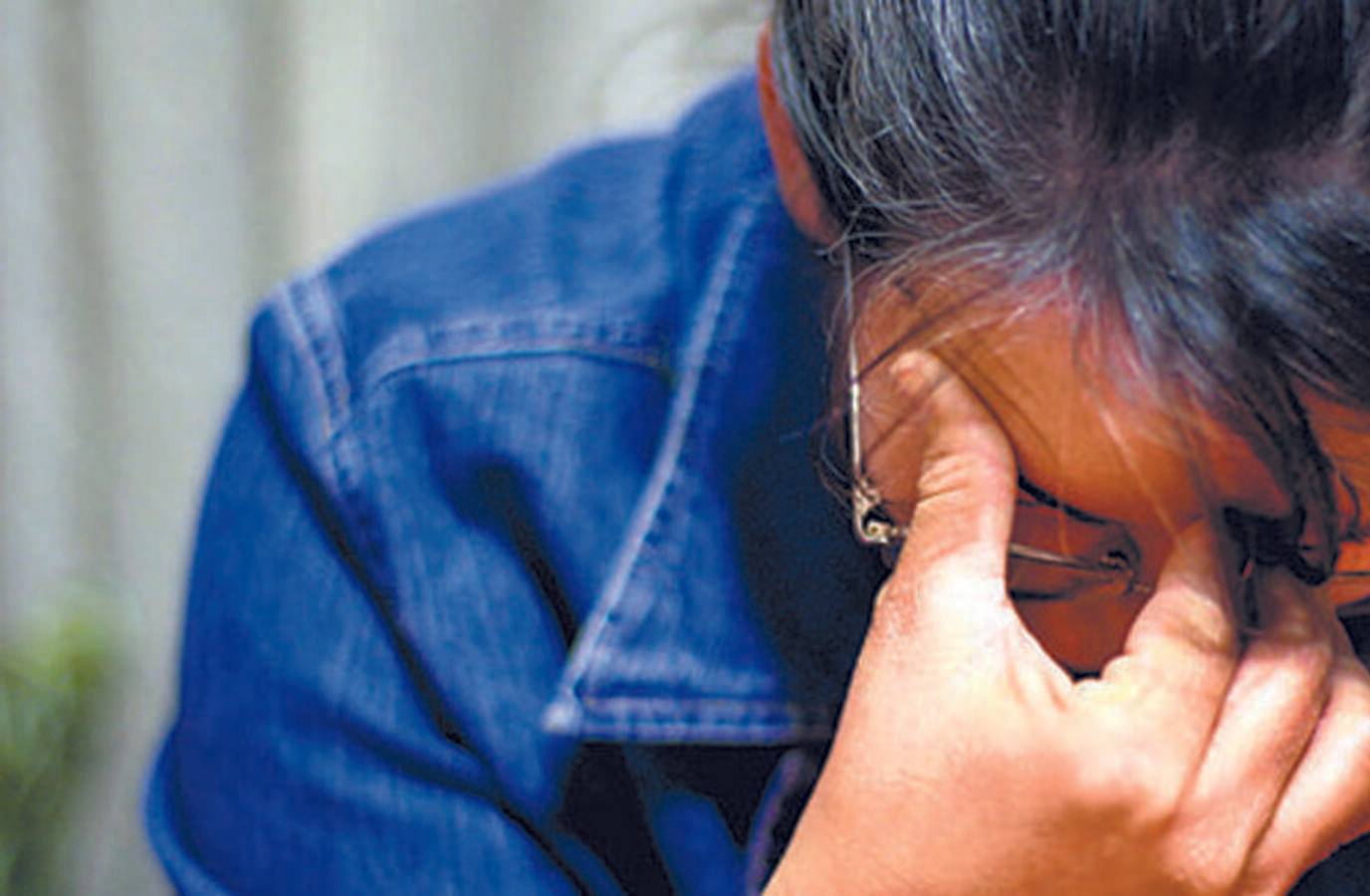
A Supreme Court-appointed panel has flagged widespread discrimination, weak grievance redressal mechanisms, academic pressure, and severe gaps in mental health support across Indian higher educational institutions.
The 18-member National Task Force found that student suicides were rising despite a decline in the youth population, describing the trend as a matter of 'grave concern' requiring urgent institutional reforms.
The panel warned that interventions focused solely on mental illness would have a limited impact without addressing the underlying 'social, structural, and institutional factors'.
It identified 'small but significant patterns of suicide clusters' across higher education campuses, saying student deaths were 'only one manifestation of distress' and reflect broader institutional and social factors rather than isolated tragedies.
The report noted that while engineering and medical students dominated media-reported cases, suicides among medical students appeared disproportionately high when enrolment figures were taken into account.
Caste bias was identified as a key stressor, with Dalit and Adivasi students flagging systemic and pervasive discrimination, including by professors.
The panel recommended a centralised mechanism to collect and analyse student suicide data, mandatory faculty training to identify students at risk, stronger anti-discrimination measures, professional counselling services, clear crisis-response protocols, and stronger grievance-redressal systems.