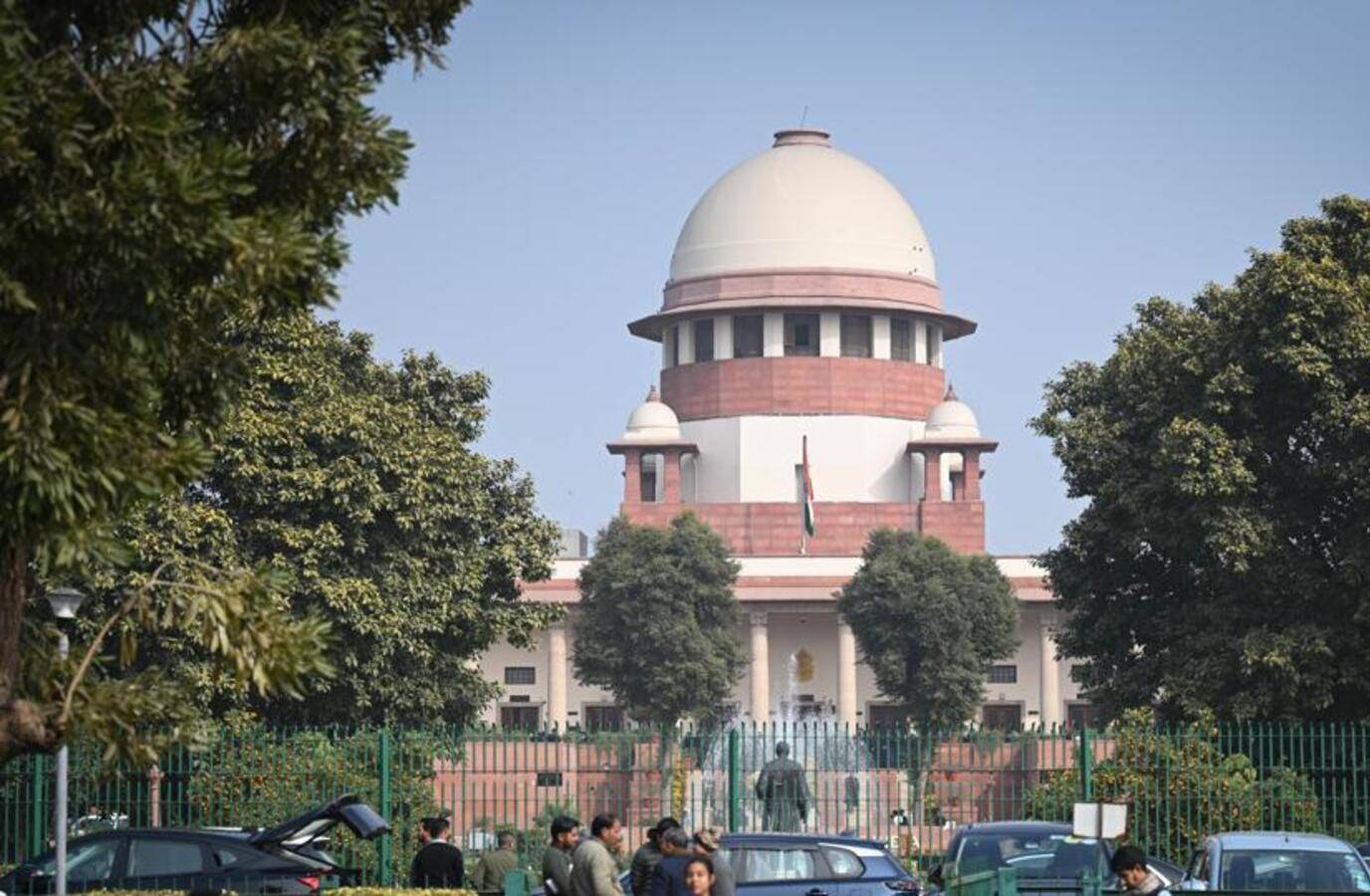
The Supreme Court has issued guidelines to protect child victims in custody battles and sexual abuse cases, emphasizing the need for a cautious and child-centric approach. The court has directed courts to prioritize a child's dignity, emotional security, and psychological well-being over the interests of litigating parents.
The court's order came after a woman from Maharashtra challenged two Bombay high court orders that subjected her 10-year-old daughter to a psychological assessment at the instance of her father, accused of sexually abusing the child. The mother argued that subjecting her child to assessments would amount to "re-traumatisation".
The Supreme Court bench agreed with the mother's concern, stating that courts must adopt a cautious approach before passing orders that may have the potential of aggravating the trauma of an already disturbed child.
The court modified one of the high court's orders, observing that the order did not consider the child's welfare. It added that the high court did not record why a panel of experts was to examine the child rather than one independent expert.
The court raised doubts over neutrality as the child's father mostly suggested the experts, including those based abroad. It said the high court failed to consider the impact of subjecting the child to hybrid interaction with experts.
The court noted the nature of the case under the POCSO Act and said that the well-established norms require "minimum intrusion and minimum exposure" of child victims to such a process. It referred the matter back to a Maharashtra family court, directing psychological examination of the parents first.
The bench asked courts dealing with POCSO Act cases to consider the welfare, emotional security, dignity, and psychological well-being of the children. It said that psychological or psychiatric evaluation of a child victim shall not be directed as a matter of routine merely because issues of custody, visitation, or parental access arise between litigating parents/relatives.