The world of plastic surgery has undergone a significant transformation in recent years, driven by advancements in technology and the growing influence of social media. The 'rich face' – a term coined to describe the polished, youthful appearance of the ultrawealthy – has become a coveted status symbol, with people from all walks of life seeking to emulate the look.
Thanks to new-age surgeries, biologics, and chemicals, people are now able to achieve a more youthful appearance without the need for extensive recovery time. The rise of social media has also created a culture of narcissism, where people feel pressure to present a perfect image to the world.
Cosmetic surgeons are increasingly marketing these surgeries as an investment for a successful career, and people are falling for it. Injectables, serums, and anti-aging facials are becoming increasingly popular, with millions of people worldwide seeking to pursue youthful beauty in the name of success.
According to a Global Survey 2025 by the International Society of Aesthetic Plastic Surgery, nearly 38 million procedures were performed in 2024, representing a 42.5% increase in cosmetic procedures over the last four years.
The top five surgical procedures globally are eyelid surgery, liposuction, breast augmentation, scar revision, and rhinoplasty. South Korea remains a clear leader in per capita cosmetic procedures, followed by the US, Brazil, and Japan. India is not far behind, holding the 7th position worldwide in the total volume of aesthetic procedures.
The collective social fascination with changing looks has culminated into social subcultures like 'looksmaxxing', where young boys use hammers or fists to hit their faces and cause micro fractures to restructure the underlying bones into a more chiseled, more manly face.
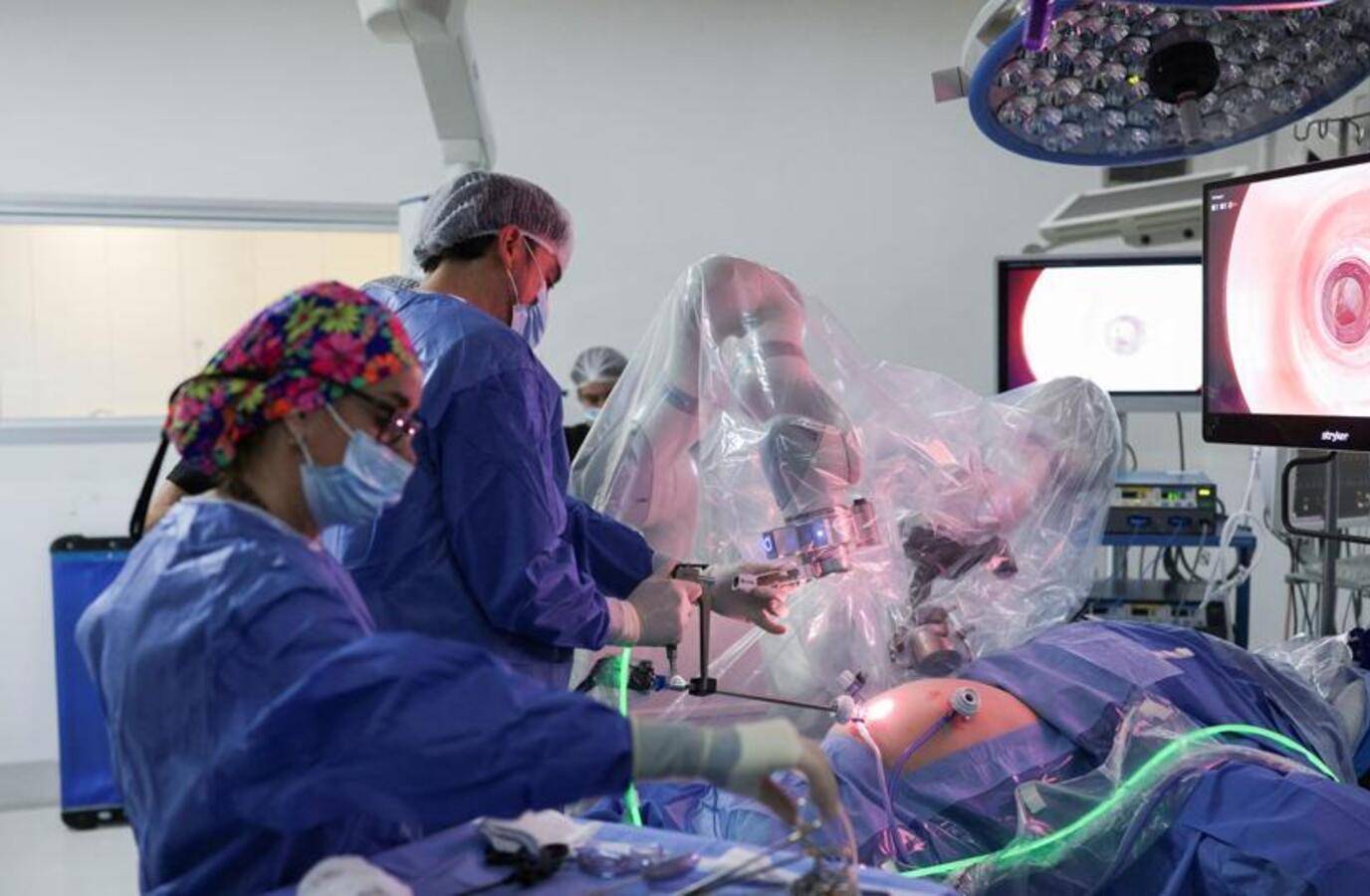
New technologies are driving plastic surgery forward, with advancements in vessel-sealing technologies, robot-assisted microsurgery, and 3D constructed simulations making surgeries more precise and safer. The rise of rapid weight-loss medication has also created a new patient-type for surgeons to get rid of the 'Ozempic face' – a gaunt, sunken, or prematurely aged appearance that occurs due to rapid weight loss.
First-timers to plastic surgery are also opting for non-invasive methods like biostimulation, which involves injecting materials into the skin to encourage local tissue regeneration. The global non-invasive aesthetic treatment market is projected to grow to $64.07 billion by 2033, a growth of 7.45% CAGR.