Regional parties have suffered engineered or self-inflicted splits after electoral defeats. The Trinamool Congress (TMC)’s split following its defeat in the 2026 West Bengal assembly elections has sparked speculation that other parties, notably the Samajwadi Party (SP), could be next.
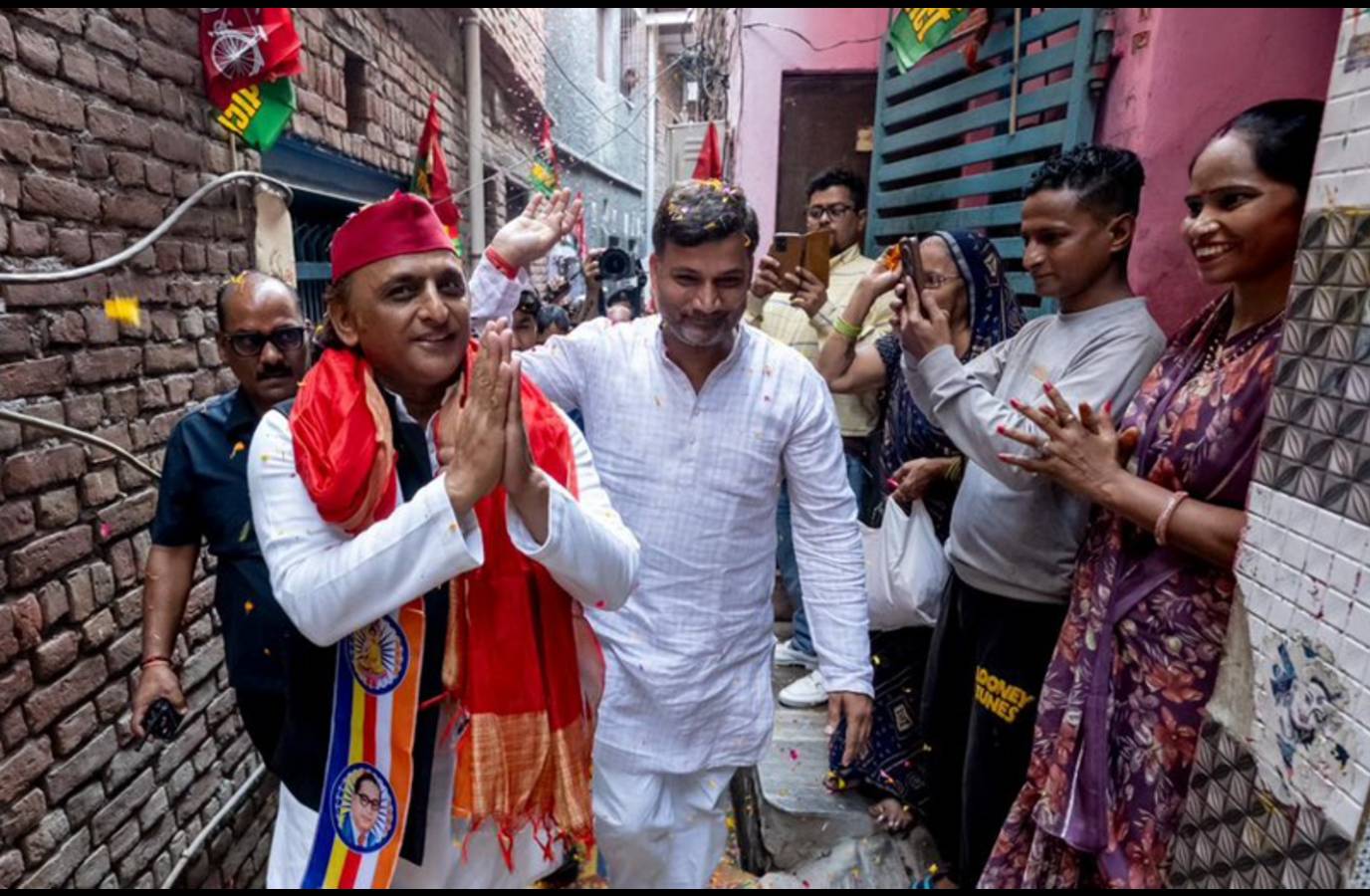
Uttar Pradesh deputy chief minister Keshav Prasad Maurya indicated defections of SP members of Parliament (MPs), lending seriousness to the speculation, after ruling Bharatiya Janata Party (BJP) ally Om Prakash Rajbhar’s claim about it was met with scepticism.
The SP is a regional force and the third-largest party in Parliament. It registered its best performance in the 2024 national polls, bagging 37 of 80 Lok Sabha seats in Uttar Pradesh. The BJP’s seats in the state fell from 62 in 2019 to 33, as the party’s overall tally dropped below the majority mark in Parliament, making it dependent on the Telugu Desam Party (TDP) and Janata Dal (United) or JD(U) for retaining power.
The BJP secured 240 seats in the 543-member Lok Sabha. The Congress-led opposition alliance bagged 234. The TDP’s 16 seats and the JD(U)’s 12 seats helped the NDA cross the majority mark, reaching 293 seats.
Shiv Sena (UBT)’s split came days after 20 TMC MPs announced their defection to the little-known Nationalist Citizen Party of India (NCPI), which is allied with the NDA. There is little clarity about the NCPI leadership.
The TMC’s future is uncertain amid speculation about its merger with the Congress.
Regional parties have dominated big states, such as Uttar Pradesh, Bihar, West Bengal, Tamil Nadu, Andhra Pradesh, and Odisha, accounting for 247 of 543 Lok Sabha seats. In 2026, the BJP took over the charge of the government from JD(U) in Bihar and demolished the TMC in Bengal.
The SP remains the strongest regional party. In 2027, a weakened Aam Aadmi Party faces the assembly polls in Punjab after losing power in Delhi.