
Trump's Unpredictable Foreign Policy: A Threat to Global Order, Says Financial Times Chief
Edward Luce, the chief US commentator at the FT, painted a picture of a White House driven by a chaotic agenda and the whimsies of the two-time president | India News
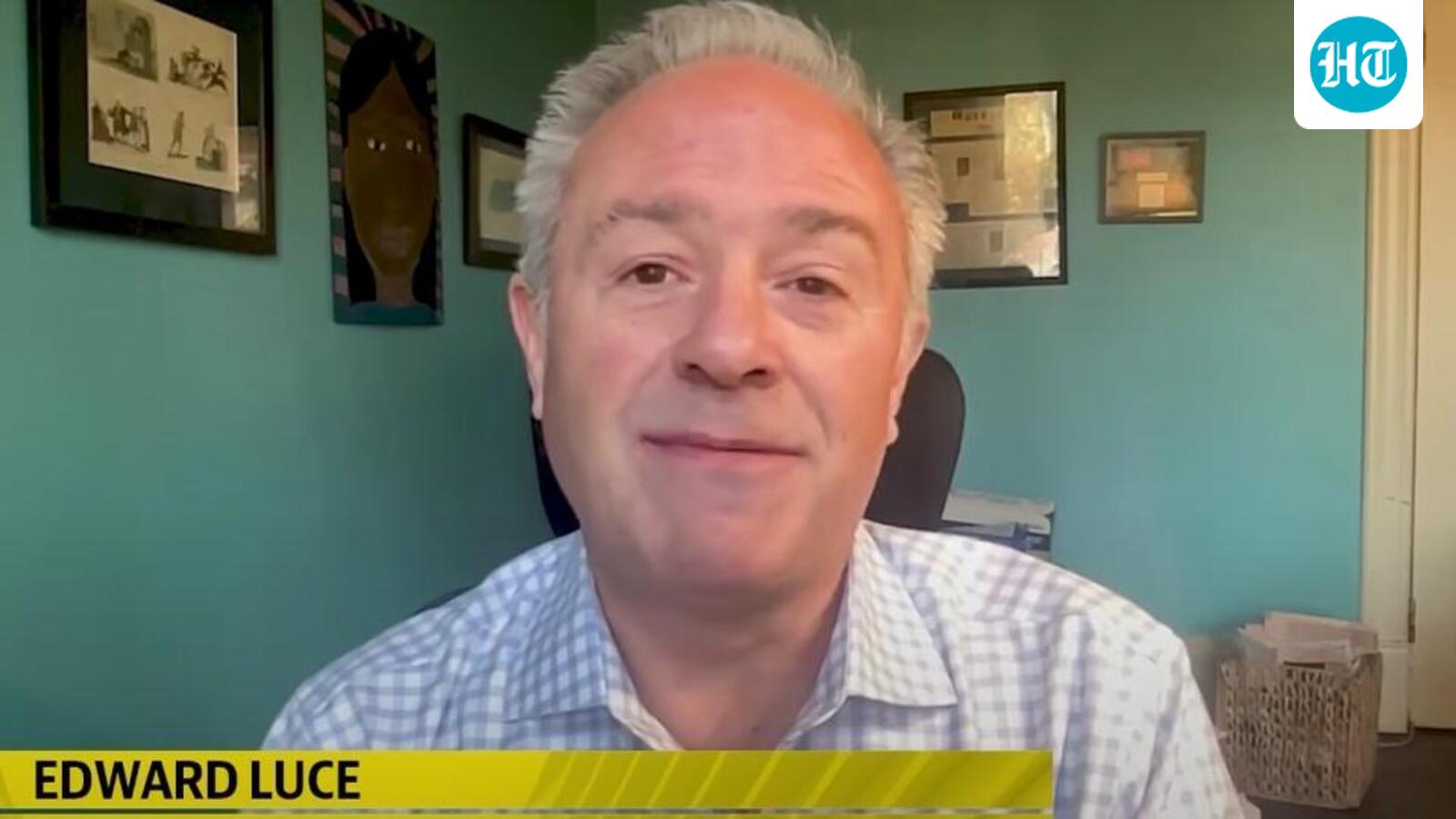
The world is witnessing a significant shift in global politics, with US President Donald Trump's foreign policy being a major driving force behind this change. Edward Luce, the chief US commentator at the Financial Times, argues that Trump's approach is difficult to define and is largely driven by financial interests.
In an online session at the 23rd Hindustan Times Leadership Summit, Luce highlighted how Trump's administration is characterized by a chaotic agenda and a focus on personal relationships. He pointed out that Trump tends to get along better with countries that offer economic benefits, such as Pakistan, Qatar, and the UAE, than with those that adhere to rules-based systems, like India, Canada, and France.
Luce also noted that Trump holds a significant advantage in shaping public opinion and controlling the narrative. He described the US President's administration as a 'personalist one-man rule' where loyalty to Trump is the primary factor in determining positions.
On the domestic front, Trump has implemented significant changes, including slashing jobs, tightening immigration policies, and rolling back climate change initiatives. Globally, he has imposed tariffs and publicly lobbied for the Nobel Peace Prize, creating a volatile international trade environment.
However, Luce emphasized that Trump's efforts have been largely unsuccessful in influencing global policy, particularly in his dealings with China and Russia. He noted that these countries have consistently evaded Trump's attempts to exert influence, with China using its control of rare earth minerals to undercut US tariffs.
Luce warned that Trump's actions are having a long-term negative impact on the US's international power, reducing its leverage, shattering its soft power, and creating conditions for other countries to form alliances. He also highlighted the dangers of Trump's 'America First' policies, which have created a fertile ground for far-right ideologies to flourish.
The rise of far-right figures like Nick Fuentes, who has a history of racist and antisemitic rhetoric, has raised concerns about the potential for further polarization in US politics. Luce noted that the older Republican establishment has lost control of the party, and that the Democrats may see an opportunity to regain ground in the 2028 elections.
As the US continues to navigate this tumultuous period, Luce's warnings serve as a reminder of the significant challenges facing the country's international standing and the potential consequences of Trump's unpredictable foreign policy.