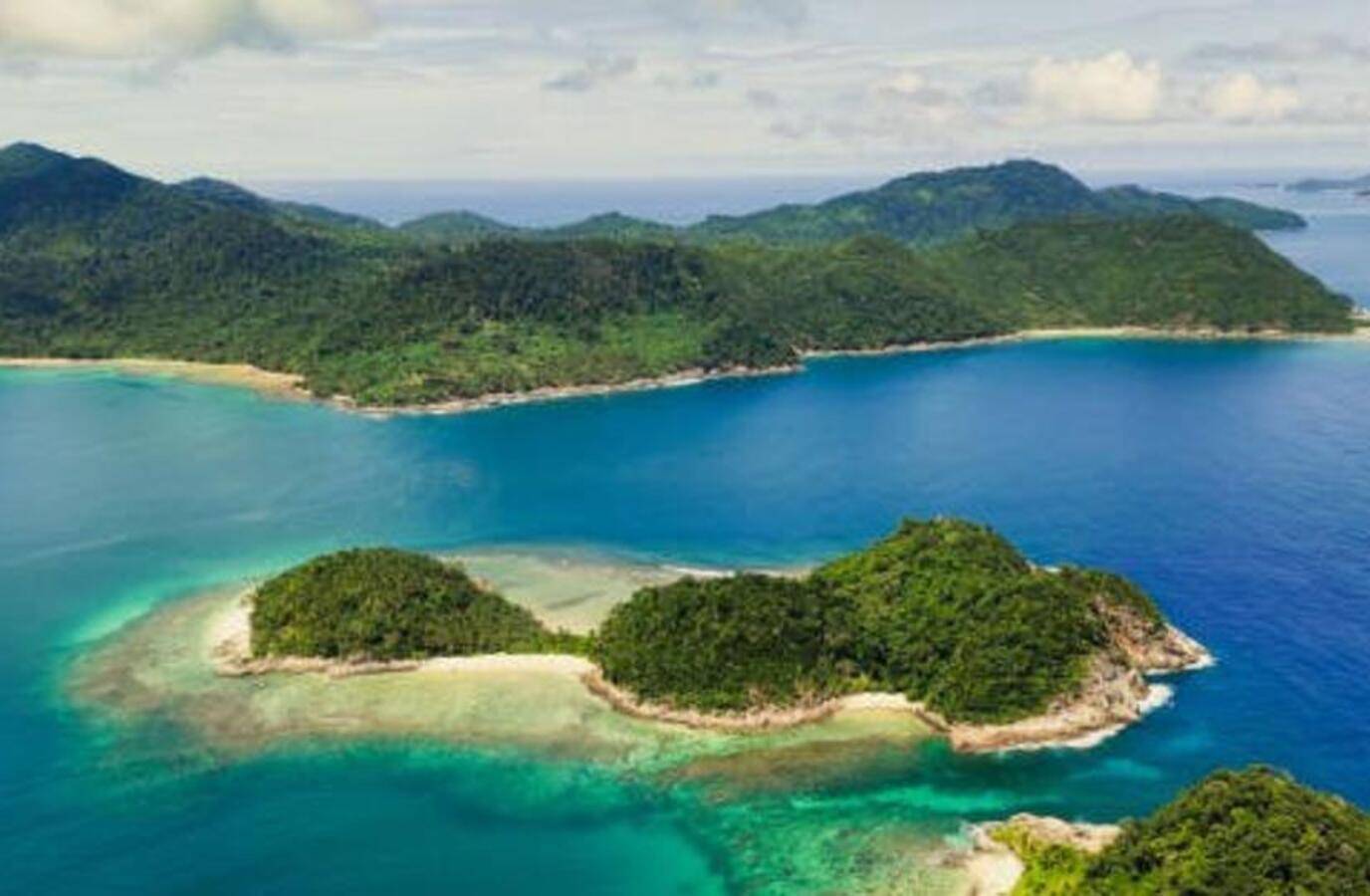
The Great Nicobar is a group of islands that are closer to Banda Aceh, Indonesia than Port Blair. The southernmost territory of India, Indira Point, marks the southern tip of the Great Nicobar island. The flying distance to this last village of India from its capital is around 3,500 kilometres.
Nicobar is often clubbed with Andamans, but it remains a lesser-known piece of territory. Only the most enthusiastic and well-heeled travellers have been to the islands, which are inhabited by ex-servicemen and their families.
The geostrategic importance of Nicobar is high as it straddles important shipping routes and is close to the Malacca Strait. Andaman and Nicobar were created due to a historical geological development that took place more than 100 million years ago.
The Nicobarese, a collective name for all non-Shamhap tribes, are of Mongoloid stock. The Shamhap, a hunter-gatherer tribe, live in the interior of the Great Nicobar islands and are of Negrito stock.
The Shamhap are fiercely private and little is known about them. They carry a bow and arrows, spears, hatchet in their loin-band made of tree bark, and carry a fire-drill. Hunters of pigs and other wild animals, they live in huts, use canoes, stay naked, and wear ear plugs.
The first hard evidence of the existence of the Shamhaps comes to us through a Chola inscription at Thanjavur. Dated to the early 11th century, it is a record of their conquests.
The Europeans arrived in Nicobar in the mid-19th century. The Danish had arrived a 100 years earlier in 1755, and the strategically located Great Nicbar island was renamed to New Denmark.
The Shamhaps speak their own language, and their near-total isolation has meant that the rest of the world knows little about them other than their existence and a few settlements.