
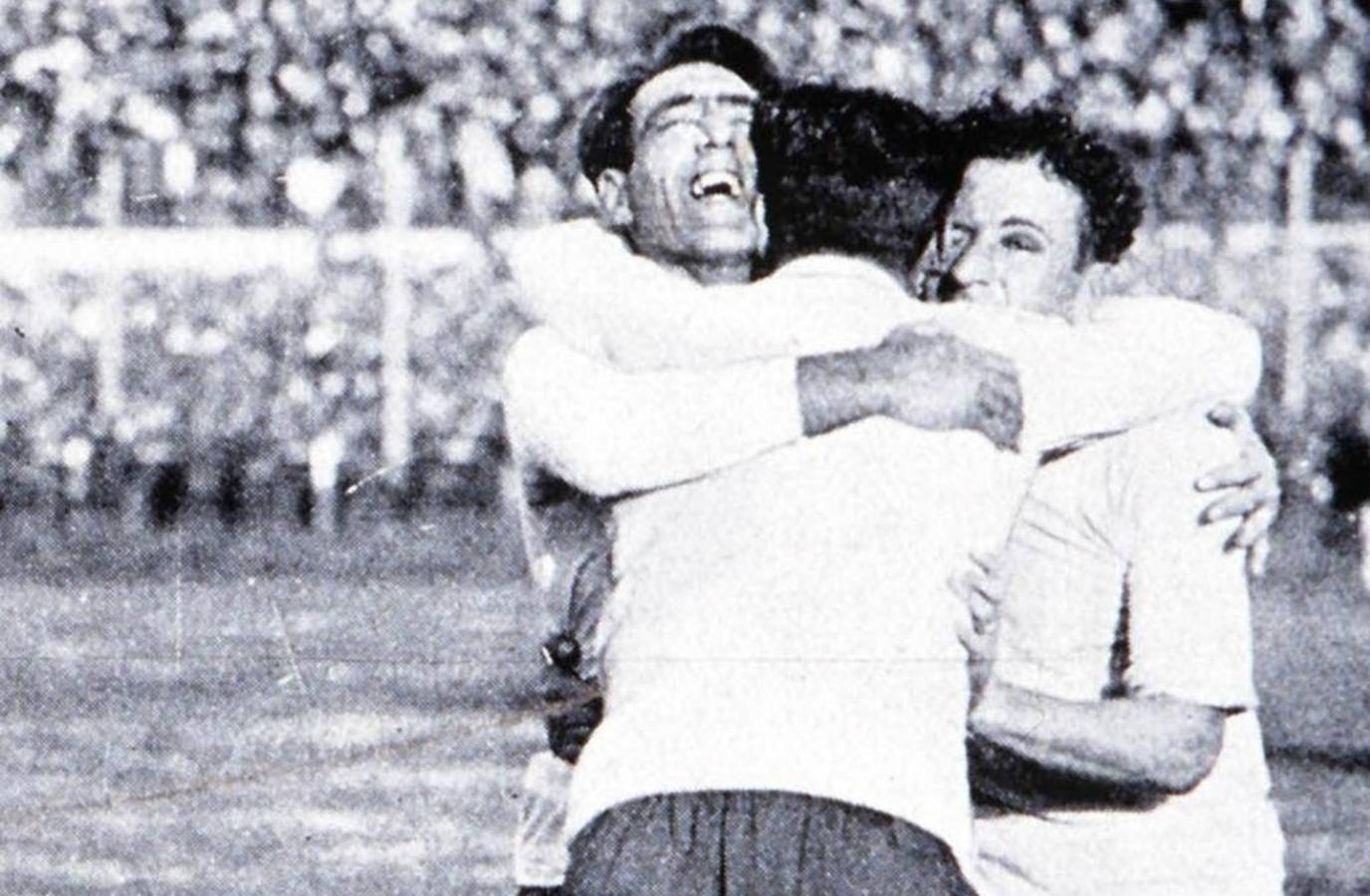
The first FIFA World Cup was a chaotic and turbulent event that set the stage for the modern game. In 1930, Uruguay hosted the inaugural tournament, which was marked by logistical and financial challenges, as well as intense rivalries between teams.
Uruguay's dominance at the Olympic Games had convinced FIFA that it was capable of staging the global tournament, but the nation had only a year to prepare after being awarded hosting rights. The construction of the Estadio Centenario, the stadium that was supposed to host all of Uruguay's matches, was delayed, forcing organisers to work under enormous pressure.
Travel arrangements also created a major headache, with most players relying on regular jobs to earn a living and risking their employment by travelling to South America for weeks. As a result, several of Europe's biggest football nations decided against taking part in the inaugural tournament.
Despite these challenges, the tournament went ahead, and the final between Uruguay and Argentina was a dramatic contest that swung constantly between the two rivals. Uruguay ultimately emerged victorious, securing a 4-2 win and becoming the first-ever FIFA World Cup champions.
The original World Cup trophy, which featured Nike, the Greek goddess of victory, holding a cup above her head, was presented to Uruguay by Jules Rimet, the FIFA president who had been instrumental in turning the idea of an international football tournament into reality.