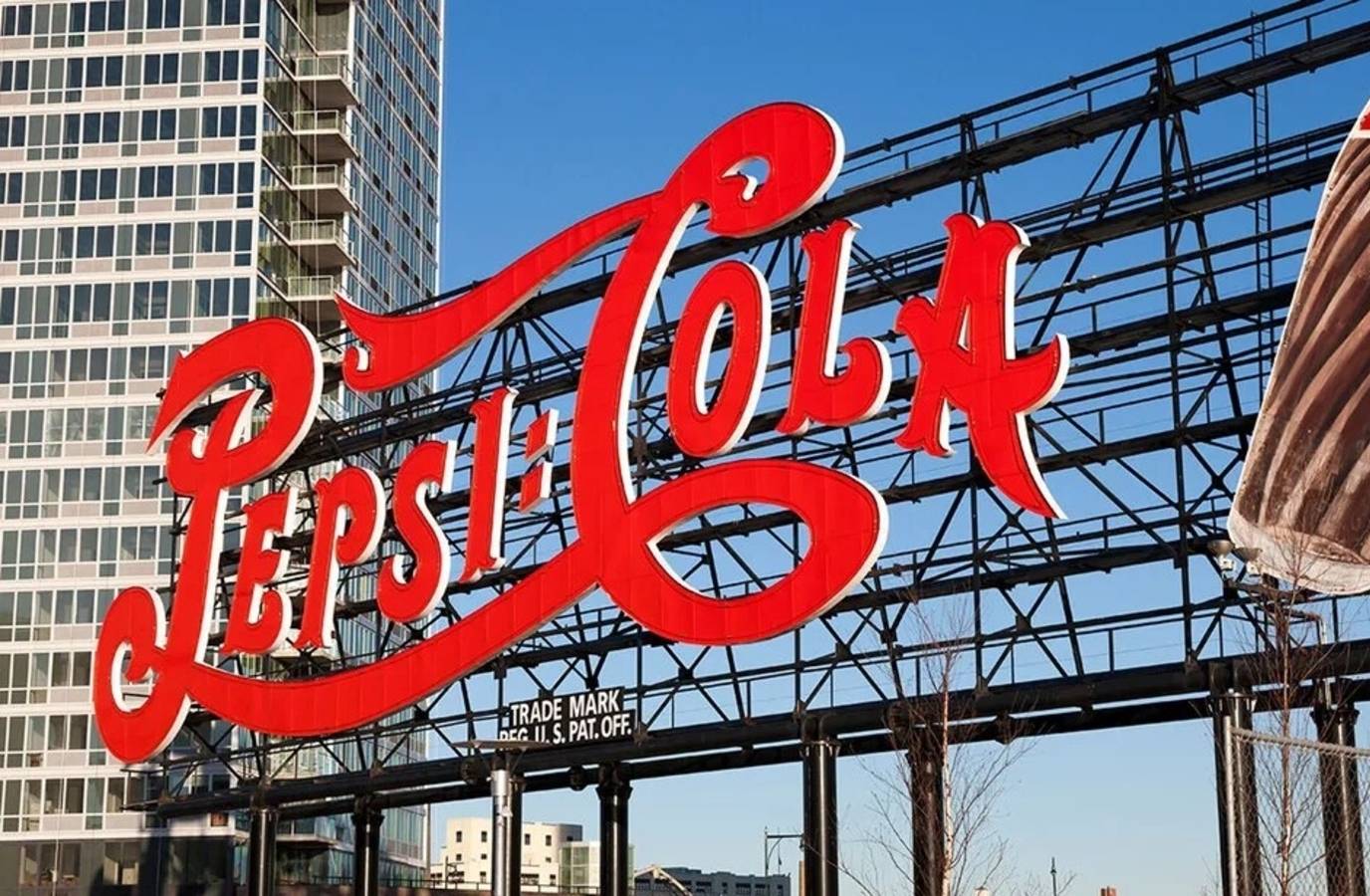
There are few rivalries in business as fierce and long-lasting as that between Coca-Cola and Pepsi. For more than a century, the pair have battled for dominance of the fizzy-drink business, with witty ads, bold publicity stunts and new—occasionally disastrous—takes on their classic colas all used as weapons in their fight against one another.
However, the two have grown into very different companies. Coca-Cola's various brands account for 17% of the American soft-drink market, compared with 11% for Pepsi's, according to Beverage Digest, a research firm. But Pepsi now makes more than half its revenue from packaged food, including brands such as Lay's and Quaker Oats.
Pepsi's troubles stem in part from the hefty price rises it applied to its food and beverages amid the post-pandemic surge in inflation, exceeding even those of its competitors. That strategy has lately backfired as cost-conscious shoppers have fled to upstart brands and retailers' in-house alternatives.
Pepsi is also suffering from the growing health-consciousness of consumers. Unease over ultra-processed foods has been bad for the snack business, as has the boom in weight-loss drugs. Slimming medicines may spell trouble for soda sales, too; Americans taking them reduce their purchases of soft drinks by about 7%, according to AlixPartners, a consultancy.
However, there are early signs that the shift in strategy is paying off. On April 16th Pepsi reported that operating profits were up by 24% year on year in the first quarter of 2026, beating the 19% increase reported by Coca-Cola on April 28th.