
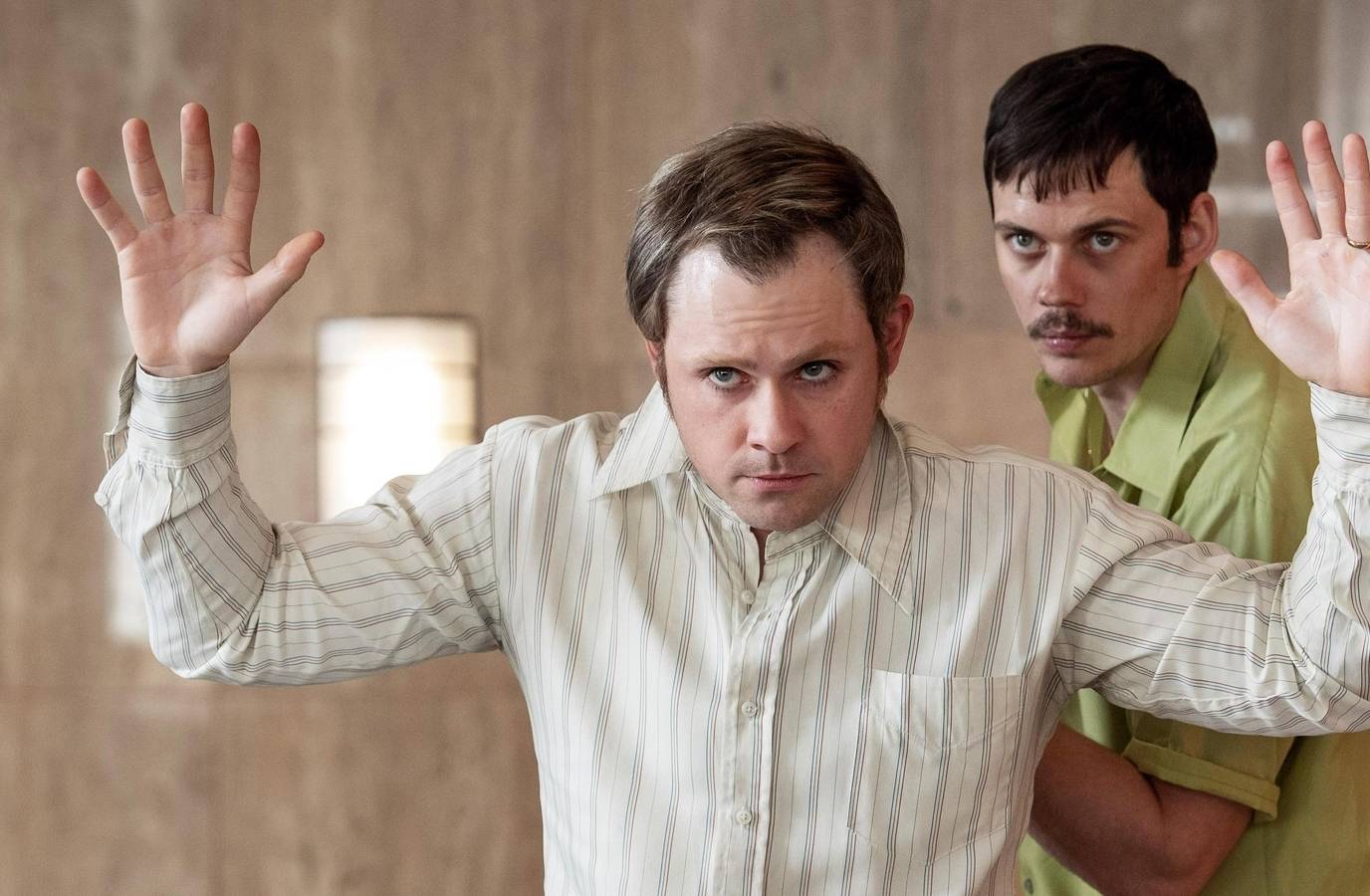
Nearly five decades after one of America's most shocking hostage crises, the story of Anthony 'Tony' Kiritsis is once again drawing attention through Dead Man's Wire. Directed by Gus Van Sant and starring Bill Skarsgård and Al Pacino, the crime thriller revisits the real-life 1977 Indianapolis standoff that lasted for more than 60 hours.
The film follows the events involving Anthony 'Tony' Kiritsis, a frustrated real estate developer who kidnapped mortgage executive Richard Hall using a shotgun mechanism later referred to as a 'dead man's wire.'
Here are five things to know about the true story behind the infamous case:
1. Tony Kiritsis believed he was financially ruined Kiritsis was a real estate developer from Indianapolis who had borrowed money from Meridian Mortgage Company to build a shopping center. However, the project collapsed, and he became convinced that mortgage executives were deliberately sabotaging his business plans and attempting to seize control of his property.
2. The hostage setup involved a terrifying shotgun mechanism On February 8, 1977, Kiritsis entered the offices of Meridian Mortgage Company intending to confront company president M.L. Hall. When Hall was unavailable, Kiritsis instead took his son, Richard Hall, hostage. He wired a shotgun to the back of Hall's head using a cable attached to the trigger.
3. The standoff lasted nearly 63 hours After taking Hall hostage, Kiritsis brought him to an apartment complex in Indianapolis, where a tense standoff unfolded over nearly three days. Authorities also discovered explosives allegedly placed throughout parts of the building, escalating fears about the situation.
4. The crisis sparked debate over live media coverage The case became one of the most heavily televised hostage crises of the 1970s. At one stage, Kiritsis even appeared before live television cameras while still holding Hall captive, raising fears that the situation could turn deadly on air.
5. Kiritsis was found not guilty by reason of insanity Although Kiritsis faced charges including kidnapping, armed robbery and extortion, he was ultimately found not guilty by reason of insanity. Psychiatrists reportedly concluded that he had been suffering from paranoid delusions during the standoff.