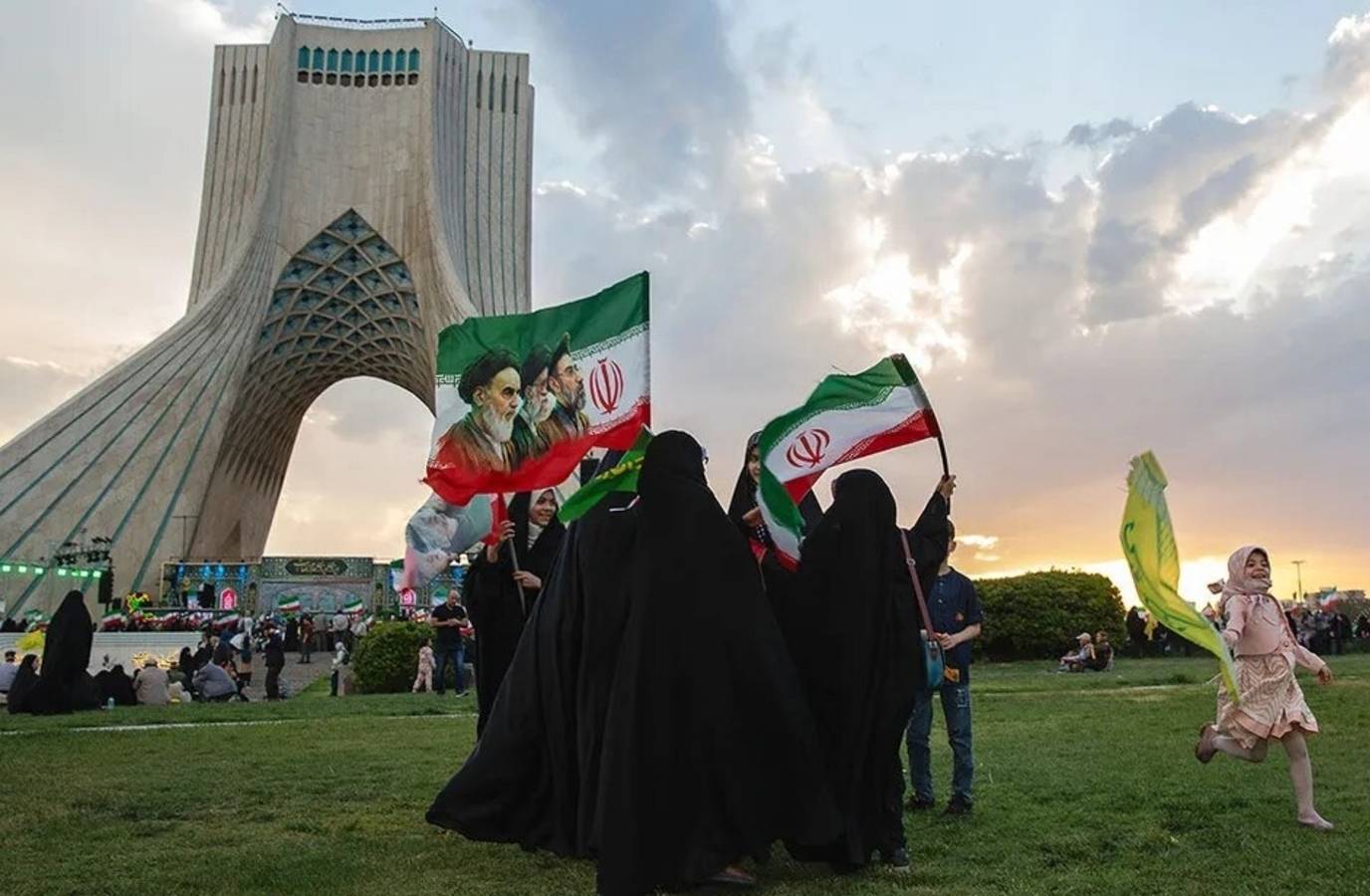
As tensions between America and Iran remain high, experts are turning to artificial intelligence to predict the next phase of conflict. The Economist spoke with RAND, a think-tank, about its new AI forecasting system, Integrated Strategic Forecasting (ISF), which put the chance of regime collapse or replacement in Iran at 20% by the end of 2026.
ISF, which was completed in February, uses machine learning and large language models to analyze data on crime, public health, labor strikes, weather, and political developments. The system also incorporates social media data to gauge discontent and image analysis from satellites, drones, and surveillance cameras.
While the forecast was produced without classified intelligence, experts are cautious about relying on AI models to predict conflict. Katayoun Kishi, chief data scientist at ACLED, notes that the best predictor of conflict is past conflict, and that AI models can be unreliable when it comes to predicting the onset of a new conflict.
However, some models, such as CAST and VIEWS, have shown promise in predicting bouts of organized political violence. CAST correctly predicted unrest in the Brazilian state of Ceará in July 2023, and VIEWS has been adopted by the UN Development Programme and the EU's diplomatic service.
Despite the potential of AI models, experts warn that disinformation campaigns and the lack of data on true triggers of conflict can make predictions unreliable. To improve accuracy, some organizations are casting a wider net, incorporating human sources and undercover access to group chats run by outfits that advocate political violence.