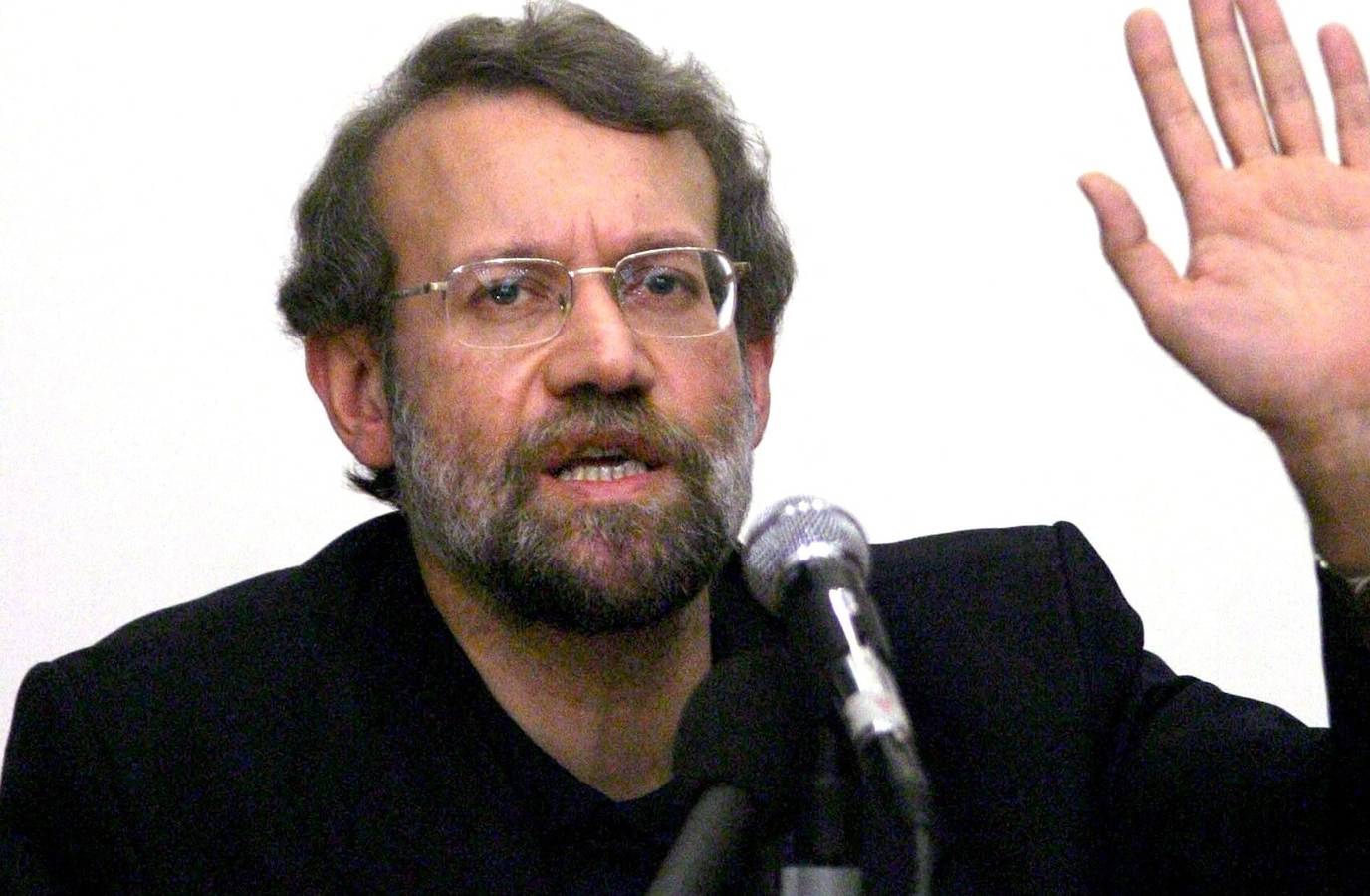
Israel's killing of Ali Larijani, Iran's former head of security council, has left the Islamic Republic more brittle than ever, but also harder to negotiate with.
Just four days ago, Larijani was marching in a protest in Tehran, defying a $10m bounty on his head. However, Israel claims to have killed him, along with two other senior officials, in a recent bombing raid.
The relentless assassinations may pave the way for the regime's overthrow or collapse, according to Israeli Prime Minister Binyamin Netanyahu. However, Israeli intelligence assessments suggest that the regime cannot be brought down by air strikes alone, but only by internal dissent.
Larijani's unique position, straddling all three main pillars of the regime - the IRGC, Islamic clerics, and bureaucracy - made him a potential leader of a more pragmatic 'second Islamic republic.'
His removal may signal an Iran less likely to agree to any deal to end the war and more likely to pursue nuclear weapons. Hardliners may see an opportunity to appoint a more ideological figure, Saeed Jalili, to replace Larijani at the head of the National Security Council.
Opponents of the regime may see an opening, too, as growing numbers of security services are said to be reluctant to show up for work. Unrest simmers, and Iranians have not rallied round the flag in the numbers they did after America's and Israel's previous bombing campaign.