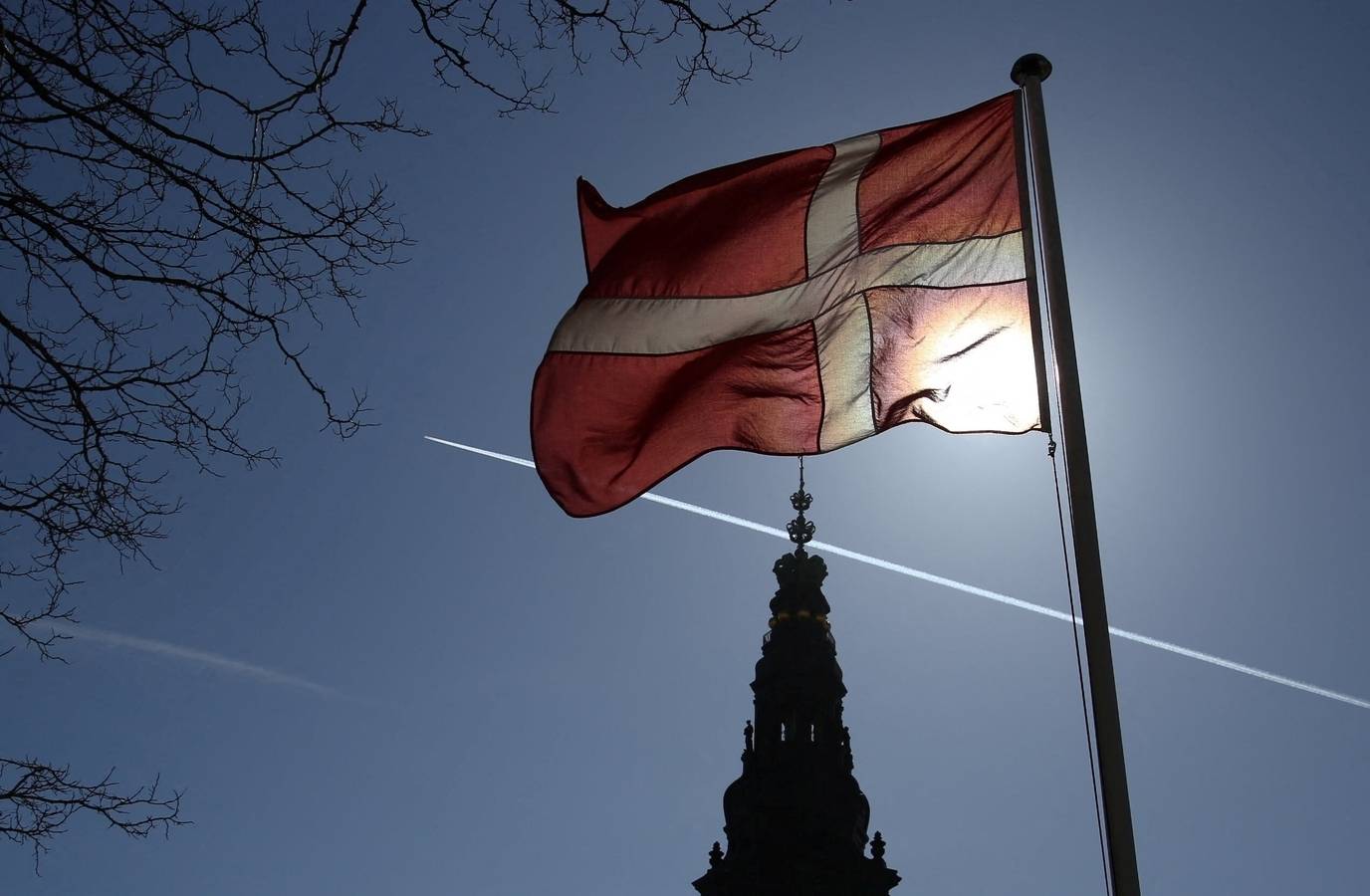
Voters in Denmark will decide who runs the Scandinavian country for the next four years in a general election next week, following a standoff with US President Donald Trump over the future of Greenland's semiautonomous territory.
Prime Minister Mette Frederiksen hopes to win a third term, but faces challenges from center-right challengers and the anti-immigration Danish People's Party.
The election will also test the territory's prime minister, Jens-Frederik Nielsen, who has been in office for about a year.
Denmark's system of proportional representation typically produces coalition governments, and the outgoing administration was the first in decades to straddle the political divide.
Immigration remains a hot issue, with Frederiksen announcing proposals for a potential 'emergency brake' on asylum and tighter controls on criminals who lack legal residence.
The election campaign has also seen cracks in Nielsen's broad-based government, with a dispute over local ministers campaigning for seats in Copenhagen.
Voters are electing the Folketing, Denmark's single-chamber parliament, which has 179 seats, with 175 for lawmakers from Denmark itself and two each for representatives from Greenland and the Faroe Islands.