As nations convene to address the global housing crisis, war-torn nations present a stark reality of what safety and resilience mean for their cities and communities.
At the Urban Expo of the 13th edition of the World Urban Forum, 66 countries showcased their housing experiences and innovations, but the Palestinian pavilion's slogan 'Resilience begins with the right to stay' echoed the struggles of displaced people worldwide.
From Gaza to Ukraine, Iran to Syria, the deliberate destruction of homes and city spaces has led to the loss of memories and identity, with experts weighing in on the fundamental questions: Why is housing not the primary response in a crisis, and what does it take to rebuild at scale and speed?
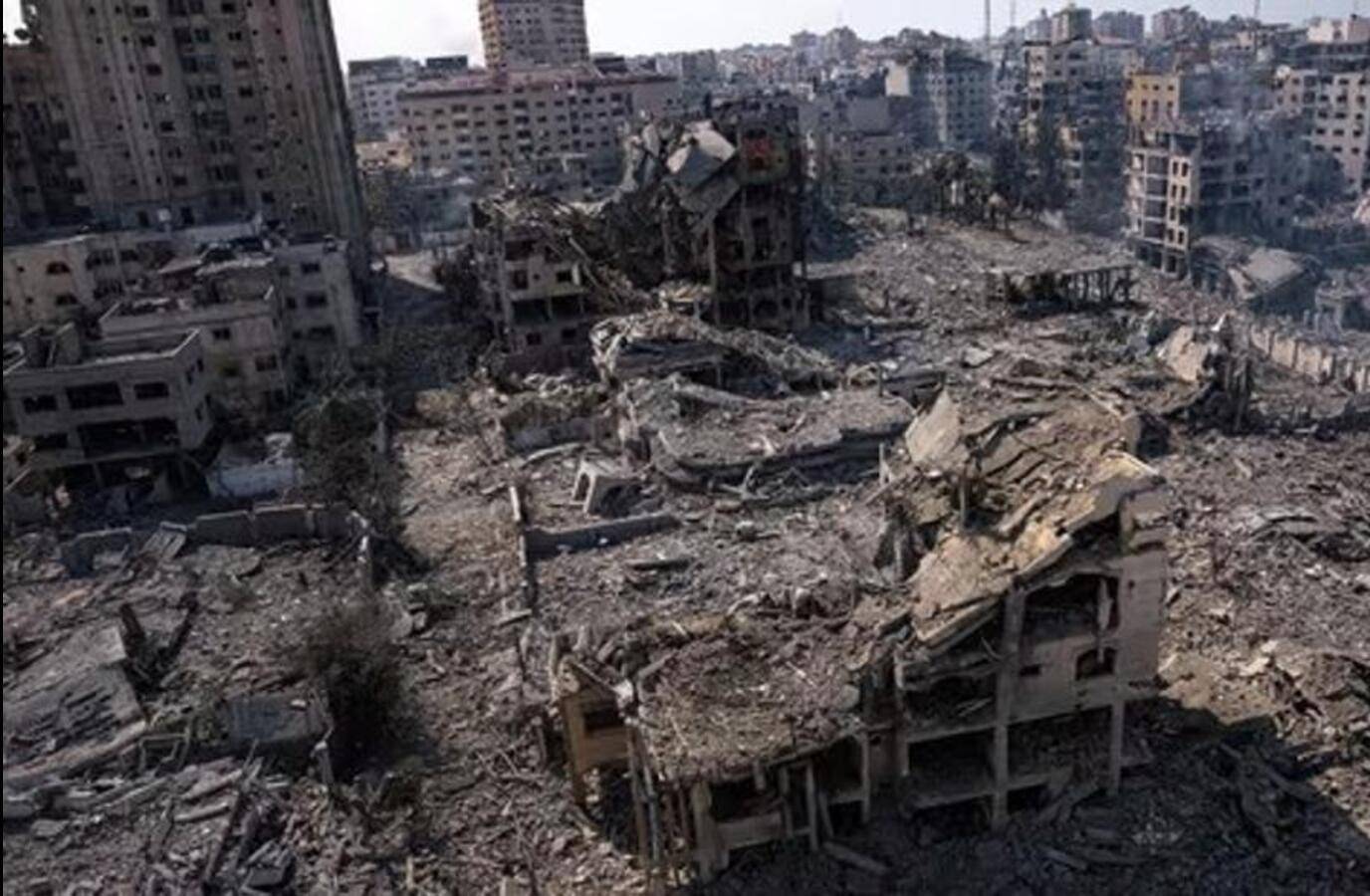
Living among the ruins, municipalities struggle to provide basic services, with municipalities like Khan Younis taking in people at five times their capacity, and skin diseases common due to the rodent problem.
Rebuilding requires substantial time and budget, but there is a major mismatch between humanitarian and development funding, with international donations not coming through, leaving families living among rubble with no water and no roof.
Shelter versus home, the gaps between displaced people's needs and agencies' readiness to implement plans are a major concern, with establishing property rights requiring documents often destroyed or lost during crises.
Reconstruction is not just about brick and mortar structures; it is fundamentally about rebuilding homes and lives of people, as seen in Kharkiv, Ukraine's pilot to reconstruct in accordance with its new master plan, taking into account the needs of its residents.